 RusPhotoBank
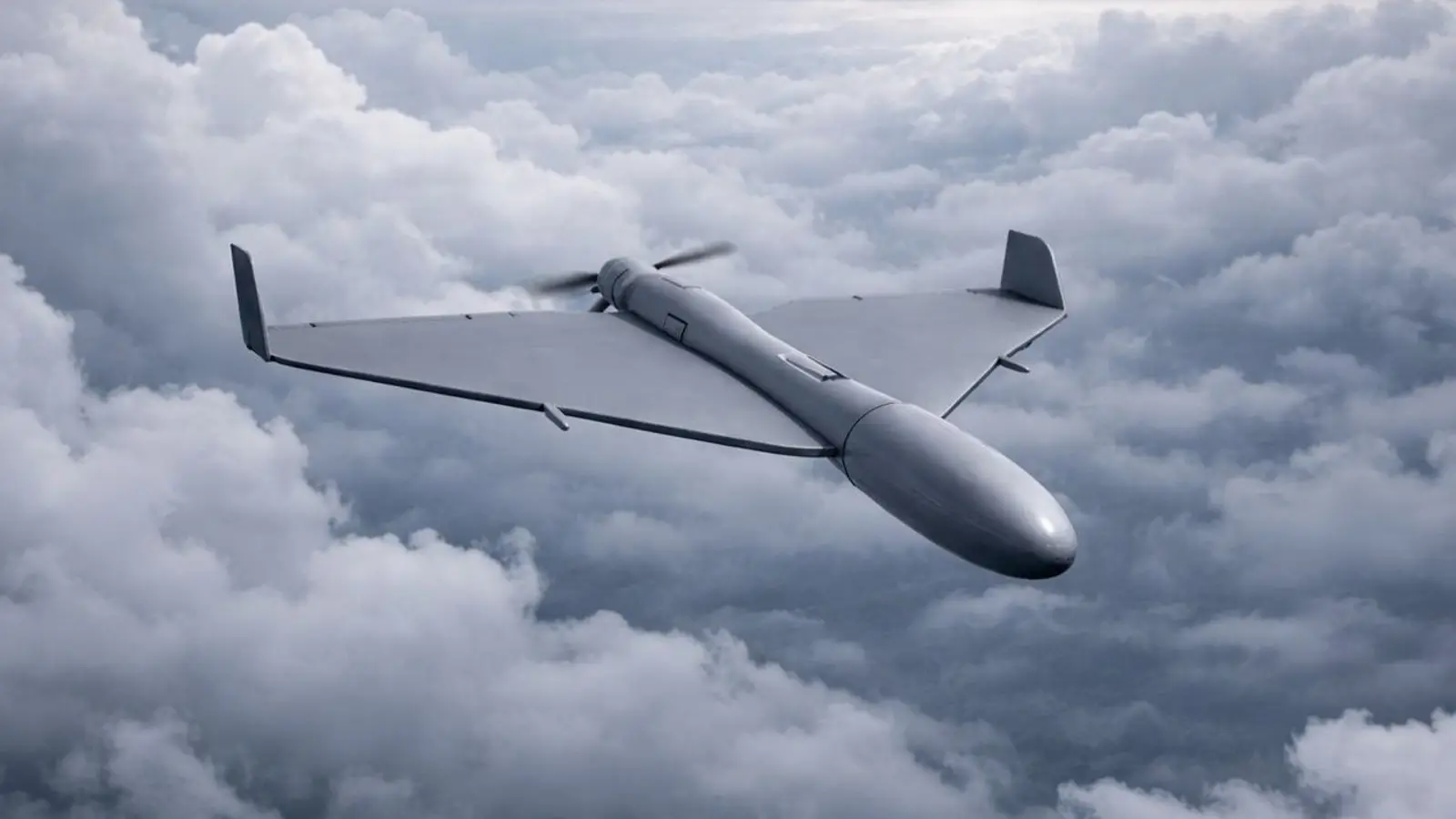
Russia has moved from testing jet-powered drones to serial production and mass deployment, creating a serious challenge for Ukrainian air defenses. The new drones are significantly harder to intercept, according to aviation expert Bohdan Dolintse, a member of the Public Council under Ukraine’s State Aviation Service.
Dolintse said Ukrainian air defenses remain highly effective against conventional attack drones, but the situation is significantly worse with jet-powered models. According to the expert, the interception rate for these drones falls below 40% in some regions of Ukraine.
Dolintse identified the high speed of the new Russian drones as one of the main reasons they are more difficult to intercept. Their flight altitude of around 5–7 kilometers creates an additional challenge. At such altitudes, the drones are beyond the reach of so-called short-range air defense systems, forcing Ukraine to use aircraft or more capable air defense systems against them.
This sharply increases the cost of interception. Instead of small interceptors costing around $5,000, Ukraine has to use surface-to-air missiles. A short-range missile starts at around $70,000-$80,000, while a medium-range missile can cost $150,000-$250,000. Using fighter aircraft is also expensive, with one flight hour costing around $30,000, excluding the cost of ammunition.