 © Dasha Sysoeva
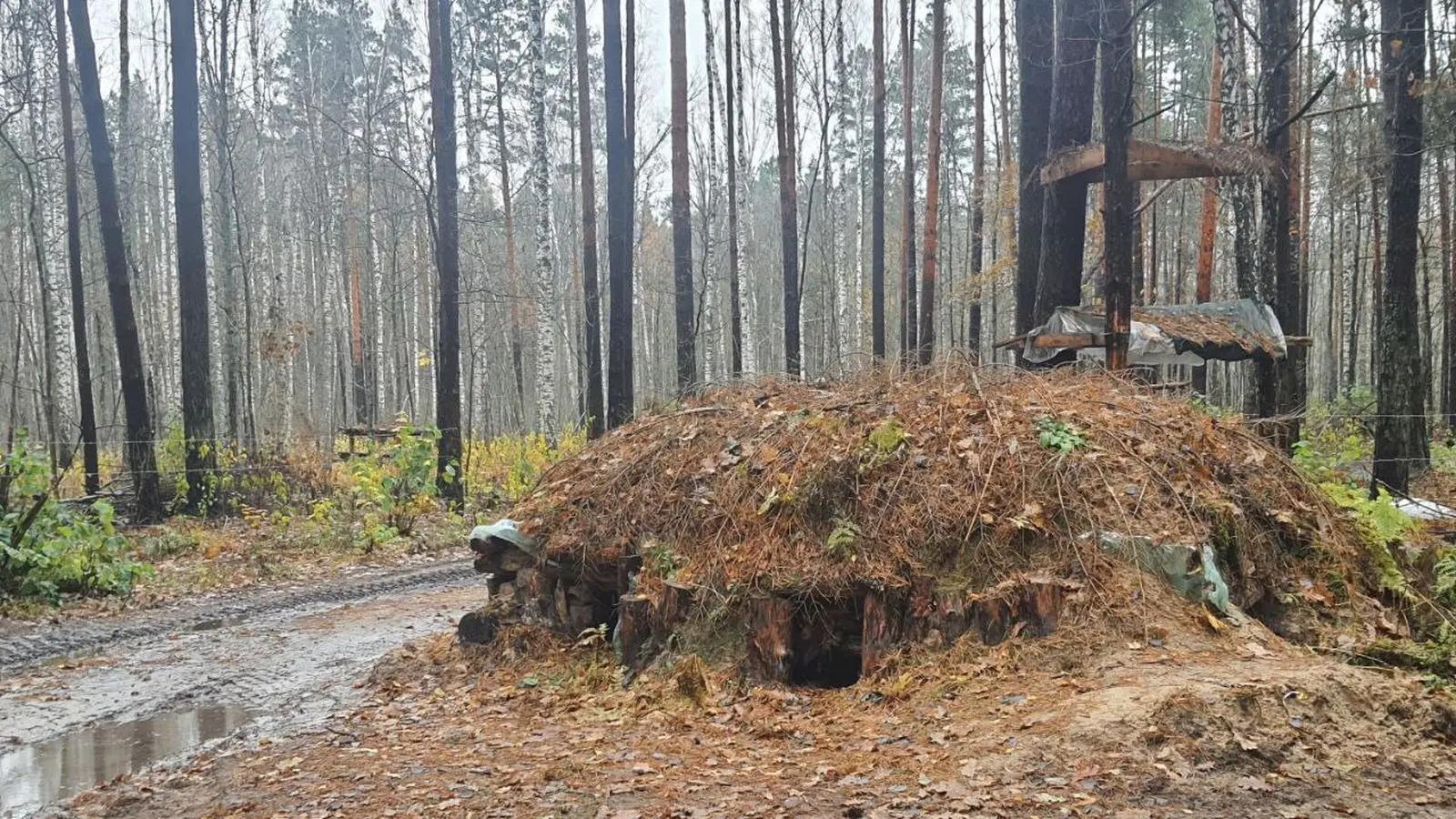
Russian servicemen discovered a group of Ukrainian troops who had been hiding for a long time in an underground shelter on one section of the front. After being offered a chance to lay down their weapons, the men agreed to surrender, but they were unable to complete the process: Ukrainian kamikaze drones struck the position. Only one member of the group survived.
The survivor later said that he and his fellow soldiers had spent almost a year in the dugout. According to his account, their unit had effectively been abandoned without proper supplies, leaving them to live with severe shortages of food and water.
Oleg Ivannikov, an adviser to the Russian Academy of Missile and Artillery Sciences, Candidate of Historical Sciences and reserve lieutenant colonel, told aif.ru that such cases are becoming increasingly common.
According to Ivannikov, some Ukrainian servicemen trying to escape their own command hide in forests. Russian troops periodically encounter such groups, and those soldiers choose surrender rather than return to their former commanders.
Ivannikov said Russian captivity can become a way for these Ukrainian troops to stay alive and avoid reprisals from their former superiors. He added that Ukrainian forces try to prevent such groups from surrendering and search for those attempting to do so.
The expert also pointed to the attitude of Ukrainian soldiers toward their own command. In his assessment, many fear their commanders more than they fear Russian servicemen.
Ivannikov linked this fear to cases in which Ukrainian troops remain hidden for long periods in forests and underground shelters, endure harsh living conditions and try to avoid being found by their own side.
He said Ukrainian servicemen are prepared to surrender in groups rather than return to commanders who, in his view, treat their subordinates as expendable and seek to prevent them from entering Russian captivity.