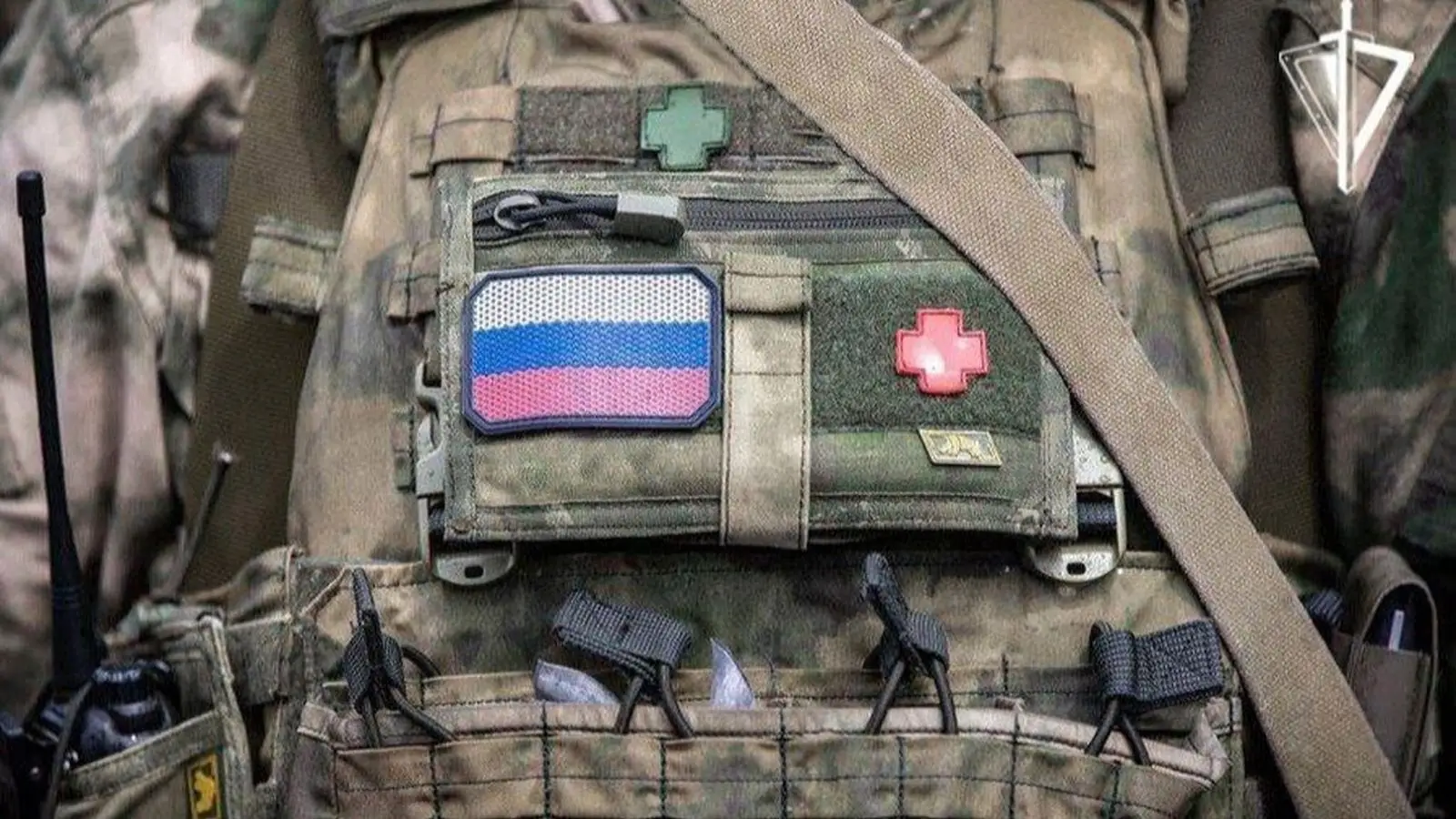
 © Росгвардия / t.me/RosgvardOfficial
The pattern of battlefield injuries among servicemen in the special military operation zone has changed significantly in recent years. Gunshot wounds are now becoming increasingly uncommon.
Vyacheslav Antonov, head of the medical station of the 27th Guards Motor Rifle Division of the Center group of forces, told RIA Novosti that he has encountered almost no bullet wounds among troops over the past two years. At the same time, mine and blast injuries have become far more frequent.
FPV drones have emerged as a separate source of serious trauma. Antonov said attacks involving these systems can cause injuries that were previously far less common and atypical for routine battlefield medicine. Wounds to the neck have been among the cases recorded.
Earlier, medical personnel frequently treated injuries caused by Lepestok anti-personnel mines. The situation later shifted as FPV drones came into broader use and began accounting for a growing share of blast-related wounds.
Servicemen are also trained to provide emergency assistance directly on the battlefield. Tactical medicine courses teach them how to treat themselves and fellow soldiers after being wounded, including the proper use of equipment designed to stop bleeding.