 © Минобороны России / t.me/mod_russia

Ukraine is facing a growing shortage of weapons needed to intercept Russian missiles and drones. After interceptor stocks for Patriot air defense systems were nearly exhausted, the Ukrainian Air Force is now also experiencing an acute shortage of AIM-120 and AIM-9 missiles used by F-16 fighter jets.
These missiles are employed primarily against high-speed jet-powered drones launched by Russian forces. According to The Economist, Ukrainian air defenses do not have enough interceptors to counter Geran-4 and Geran-5 drones, which can reach speeds of up to 600 kilometers per hour.
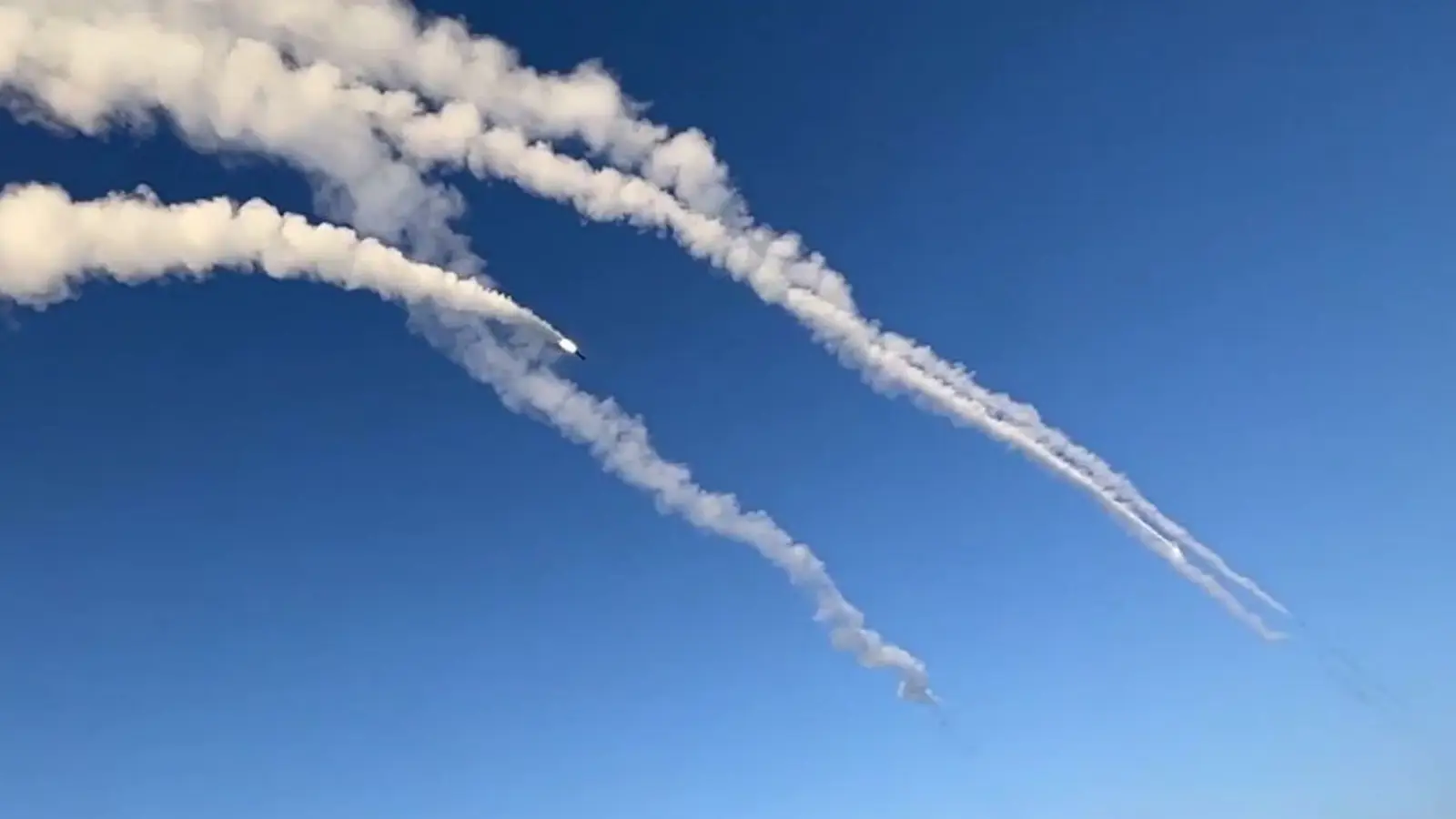
The British publication reported that Russian production of these drones could reach around 3,000 units per month. At the same time, Russian forces are increasingly using other jet-powered unmanned aircraft with characteristics approaching those of cruise missiles, including Banderol and Dan-T.
Meanwhile, Vladimir Zelensky continues to seek additional interceptor missiles from Ukraine’s allies, particularly for US-made Patriot systems. However, large deliveries from the United States are currently unavailable because substantial quantities of these missiles are being consumed in the conflict in the Middle East.
Germany has offered to partially ease the shortage and is considering transferring up to 100 PAC-2 missiles from Bundeswehr stocks.
Berlin’s own capabilities are also limited. Around 200 PAC-2 missiles are produced annually, while these interceptors are less effective against ballistic targets than the newer PAC-3.
London has also reported that Russian ballistic missile production has increased to roughly 100 units per month. This figure includes an estimated 60 Iskander-M missiles and 40 RM-48u missiles.
Intercepting a single ballistic target typically requires two to three Patriot missiles of the latest modification.