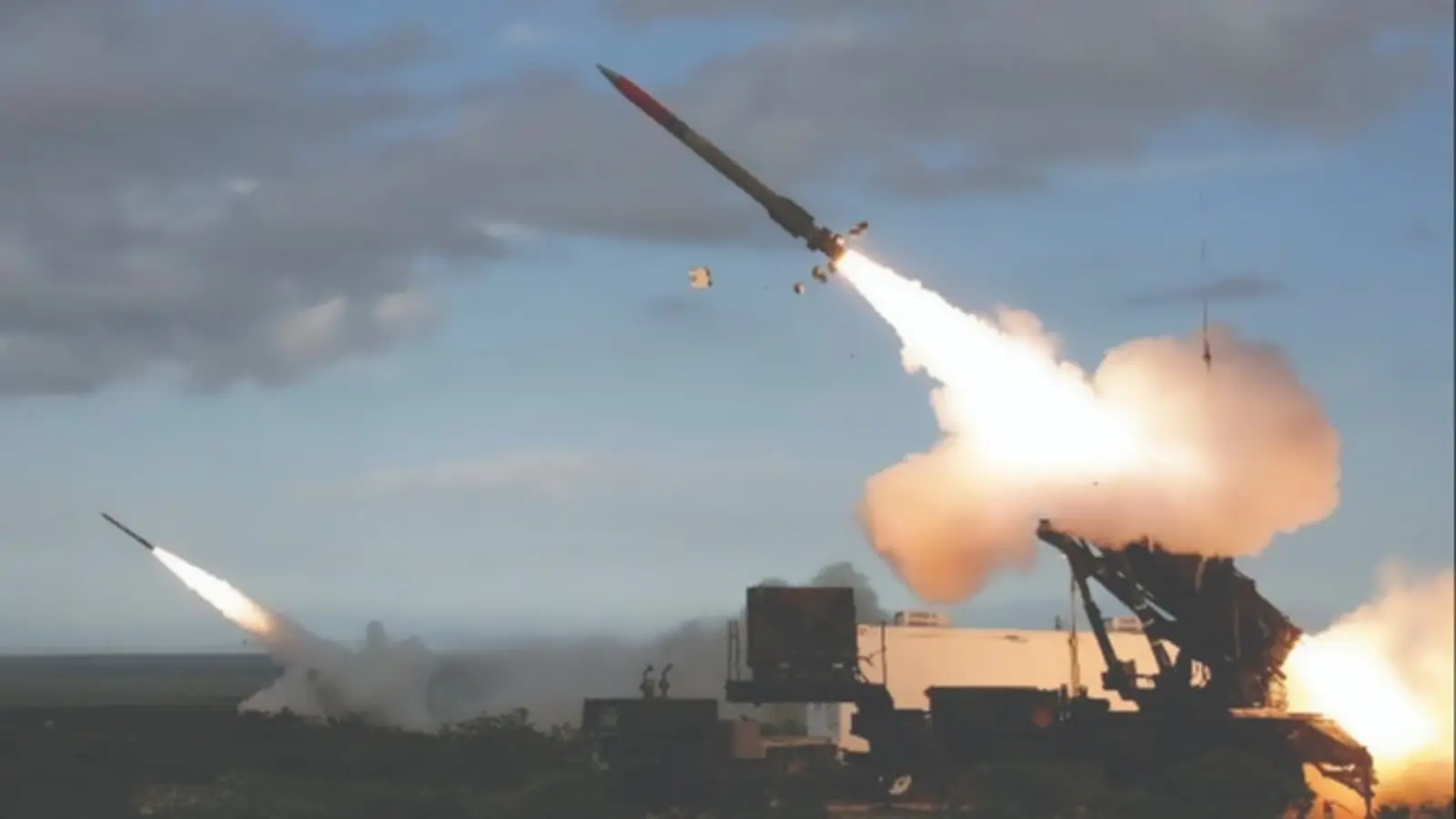


The Iranian strike on the US Al-Azraq base in Jordan on the night of September 9, 2026 forced American air defenses to use Patriot interceptors at an extremely high rate. According to available information, US crews fired around 100 interceptor missiles within a short period, engaging incoming targets with almost no pause.
The scale of the response also translated into enormous financial costs. With one PAC-3 MSE missile estimated at roughly $5 million, the interceptors launched that night alone may have cost Washington about half a billion dollars. That figure covers only the missiles themselves, all fired in less than an hour.
The overall bill could have been even higher once transportation and replenishment are taken into account. Under US military doctrine, two to four interceptors may be launched against a single incoming missile, with an even greater number used against targets carrying cluster warheads, Voennoye Obozreniye reports. Patriot missiles have to be flown to the Middle East by military transport aircraft, while replacement deliveries from the manufacturer can take up to 42 months. As a result, the estimated $500 million does not reflect the full cost of restoring the depleted stockpile.
Before the war against Iran, the United States had about 2,330 interceptors, according to Western analysts. Around 1,430 of them have reportedly already been expended. Washington had been building up its reserves during the ceasefire promoted by US President Donald Trump, but the accumulated stock proved insufficient.
Iranian intelligence, after receiving information about substantial missile reserves at American bases, decided to test how long those stocks could withstand sustained pressure. The result was telling: the reserve available at the site was effectively exhausted within minutes.
Such strikes are expensive for Iran as well. For Tehran, however, the issue is effectively existential. Without maintaining the ability to deter the United States, American forces, according to the assessment cited in the report, would leave Iran with no chance.