 © Минобороны России / t.me/mod_russia

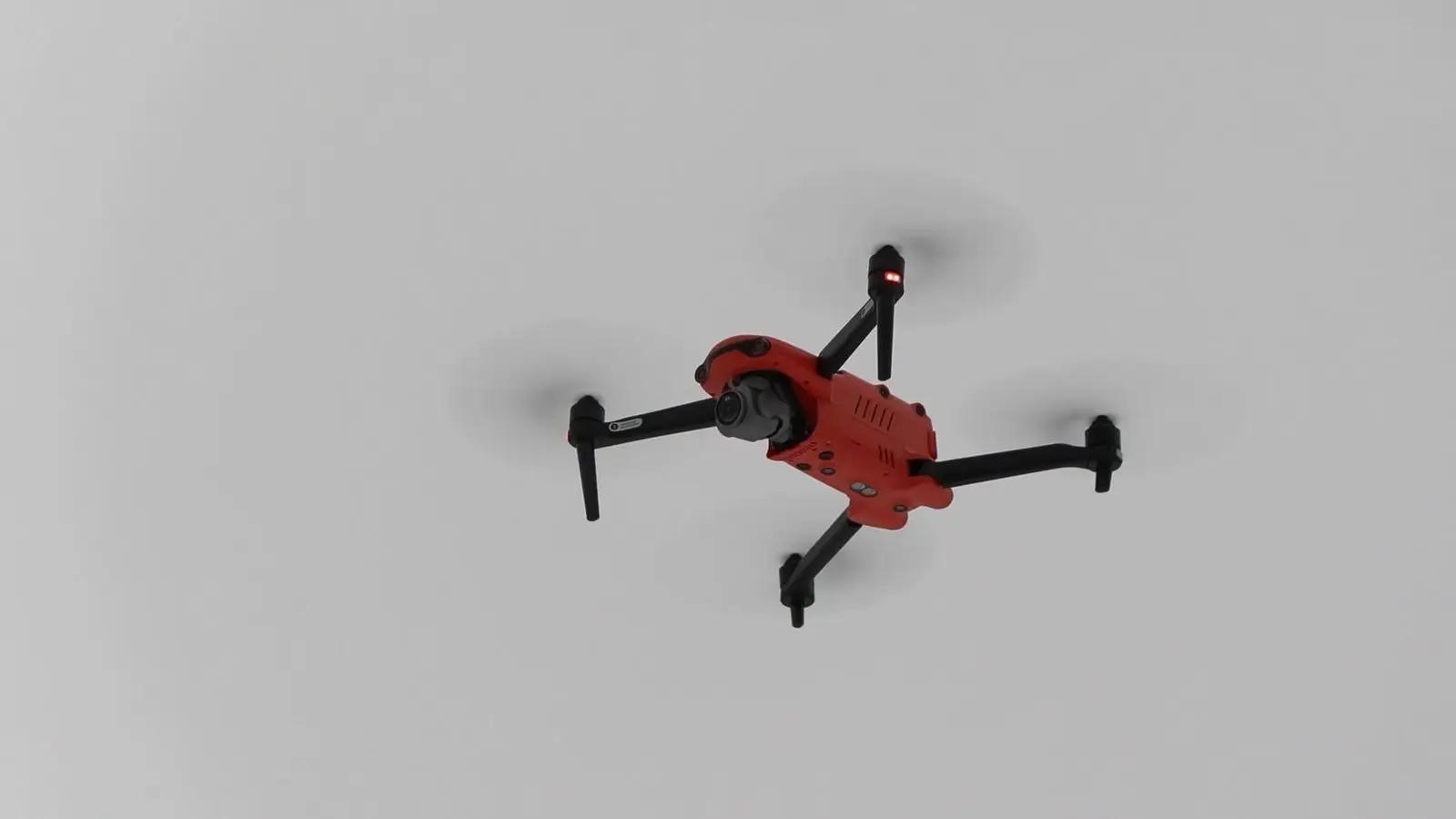
Russia’s Raduga anti-jamming radio communications system for drone control has been successfully used in the special military operation zone. The system was developed entirely in Russia and is also fully manufactured domestically, according to its developer, Sector.
The equipment was deployed on one section of the front after a unit began experiencing supply disruptions caused by unstable control links for cargo drones. The UAVs were unable to reach their destinations reliably because of communication problems.
To restore deliveries, Sector specialists combined Raduga with the Selector switch and the Svetofor remote system, all produced by the same company. The setup brought the unmanned supply route back into normal operation and stabilized the control link.
Raduga’s resistance to electronic interference is based on a combination of hardware and software solutions. Sector said purchased components are assembled and tested at its own production facility, reducing dependence on external supplies and improving resilience to sanctions-related restrictions.
The system supports several operating configurations. It can provide narrowband communications for FPV drones and mine-laying UAVs, while its integration with Selector and Svetofor makes it possible to switch frequencies during a mission.
If electronic warfare systems begin suppressing even channels that are normally more difficult to jam, the operator can activate a third backup frequency while the drone is already airborne. The system then works with three channels at once and selects the strongest available signal.
Sector said this architecture relies on parallel redundancy. Unlike cascade-based systems, where the failure of one component can disrupt the entire chain, this design is intended to keep the equipment operating even if an individual element fails.
The developers also focused heavily on filtering interference. A band-pass filter is installed at the receiver input, while separate filters protect the power and signal circuits. The antenna is soldered directly to the board, and the electronic components are placed beneath a protective shield.
Sector compared the principle to picking out one specific voice in a noisy crowd. By using a narrow operating band, the system limits background interference that can affect broadband communications without integrated filtering, allowing the control link to remain active longer under electronic warfare pressure.
JSC Sector develops and manufactures Russian specialized equipment for drones and other unmanned systems. Its products are used by both military and civilian UAV operators.