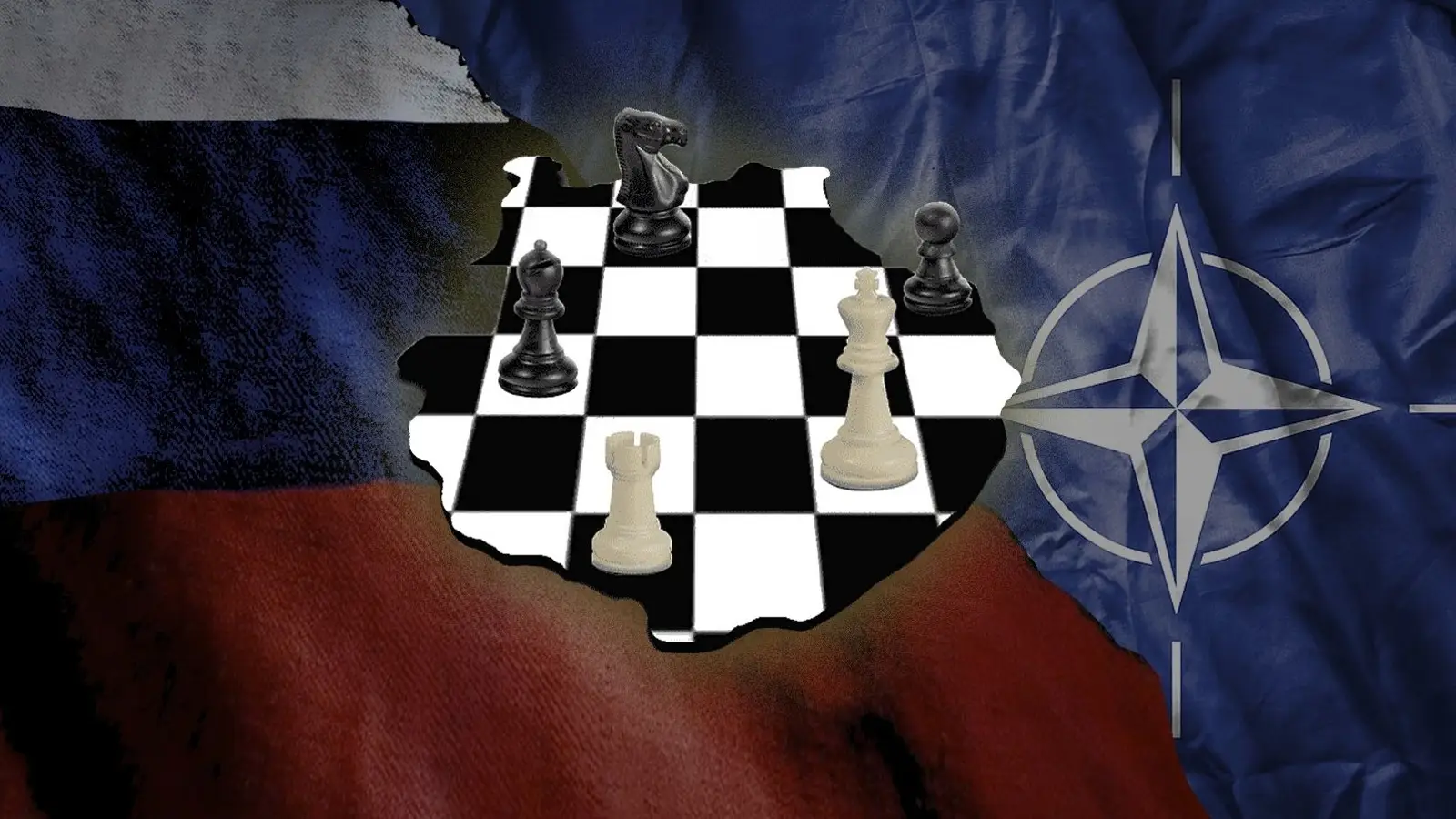
 RusPhotoBank
The way the goals of the special military operation are formulated allows Russia to maintain political flexibility and determine for itself when those goals have been achieved, political analyst Rostislav Ishchenko said.
According to Ishchenko, the concepts of the denazification and demilitarization of Ukraine are defined broadly enough that they do not establish a specific point at which Russia must end its military operations. He believes the absence of a rigidly defined endpoint allows Moscow to act according to how the situation develops.
Ishchenko noted that Russia has repeatedly told the United States that it is prepared to reach an agreement on the terms that are already known. If Kyiv accepts those terms, an agreement becomes possible. Otherwise, he said, the war will continue.
At the same time, Moscow does not specify how long it intends to continue military operations. Ishchenko considers this crucial: in his assessment, the formulation involving denazification and demilitarization allows Russia to declare at any point that the stated objectives have been fulfilled and end the special military operation on the grounds that its goals have been achieved.
Ishchenko therefore believes Russia retains room for political maneuver both in continuing military operations and in deciding when to end them. Europe does not have the same flexibility, he argued, because European countries adopted a different strategy from the outset.