 © Минобороны России / mil.ru

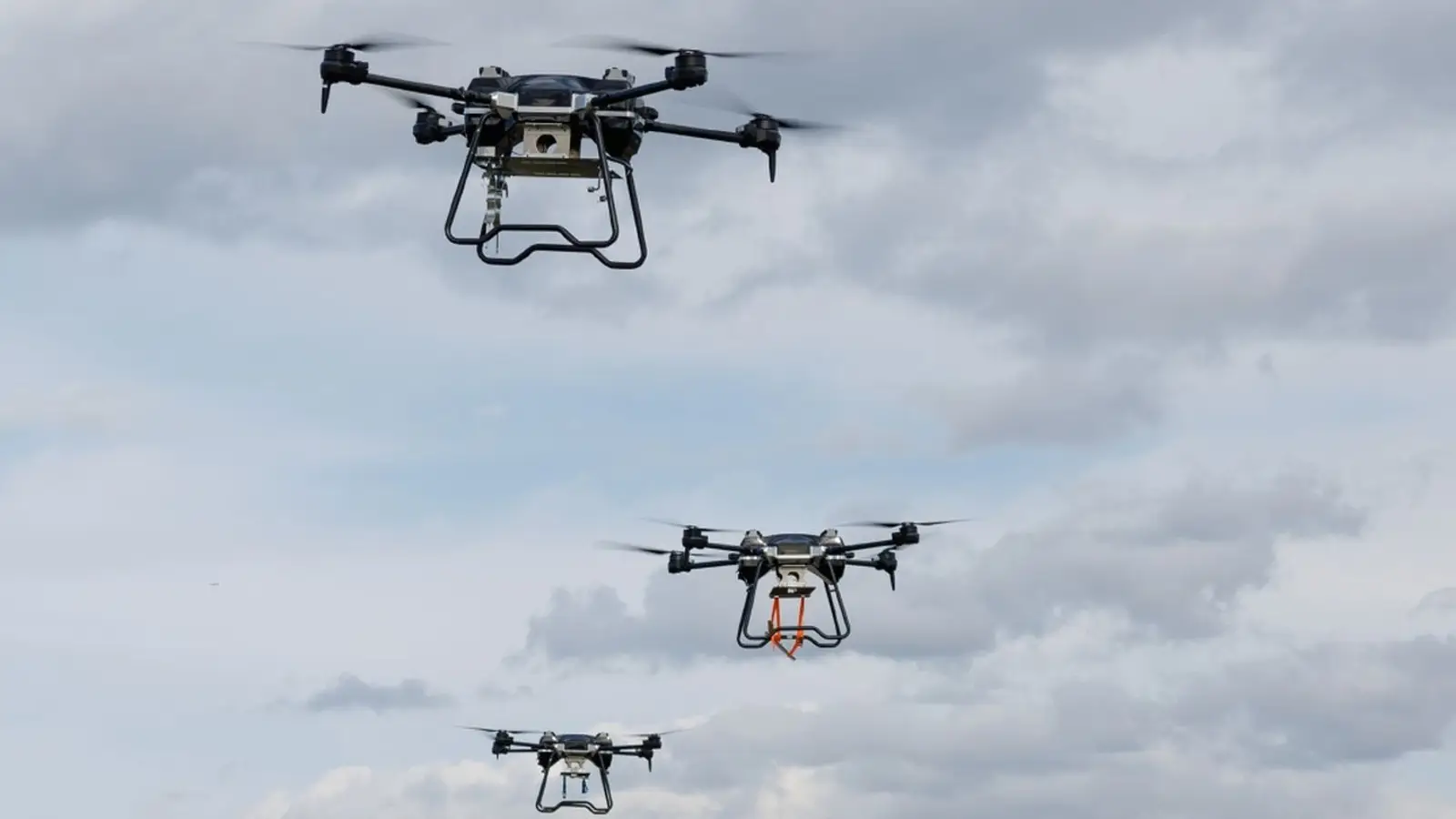
Counter-drone warfare is poised to become one of the most rapidly developing technological areas on the front line. War correspondent Dmitry Astrakhan expects detection networks, automated weapon stations, dedicated interceptor drones and laser systems to be deployed on a much broader scale.
A major focus will be on finding small, difficult-to-detect UAVs. Astrakhan believes radar and acoustic sensors could increasingly be linked into integrated networks, allowing them to spot incoming drones faster and relay targeting information to air defense crews with less delay.
The systems used to destroy UAVs are also expected to become far more automated. Smart sights, powered aiming mechanisms, specialized machine-gun ammunition and robotic turrets could see wider use. Automated systems would handle more of the detection, tracking and targeting process, while the operator would retain remote control. According to Astrakhan, this approach can outperform fully manual operation when engaging fast-moving aerial targets, Novosti Mail reports.
Lasers and microwave weapons are likely to carve out a separate role in counter-drone defense. Once the system itself has been purchased, the cost of each engagement remains low because electricity replaces an expensive missile as the main expendable resource. Their effectiveness, however, depends on weather conditions, range and available power supply. Astrakhan therefore does not expect such weapons to replace conventional anti-aircraft systems in the near term.
Interceptor drones and anti-aircraft loitering munitions are also set to develop further. These systems are already being used on a large scale, but Astrakhan expects the next stage to bring more narrowly specialized designs built to intercept specific types of aerial targets.