 ©
© 

German authorities are preparing the country’s healthcare system for a potential military conflict, drone attacks and a mass influx of casualties, according to Bloomberg. The effort includes reviewing hospitals and critical infrastructure to assess how well Germany could cope under wartime conditions.
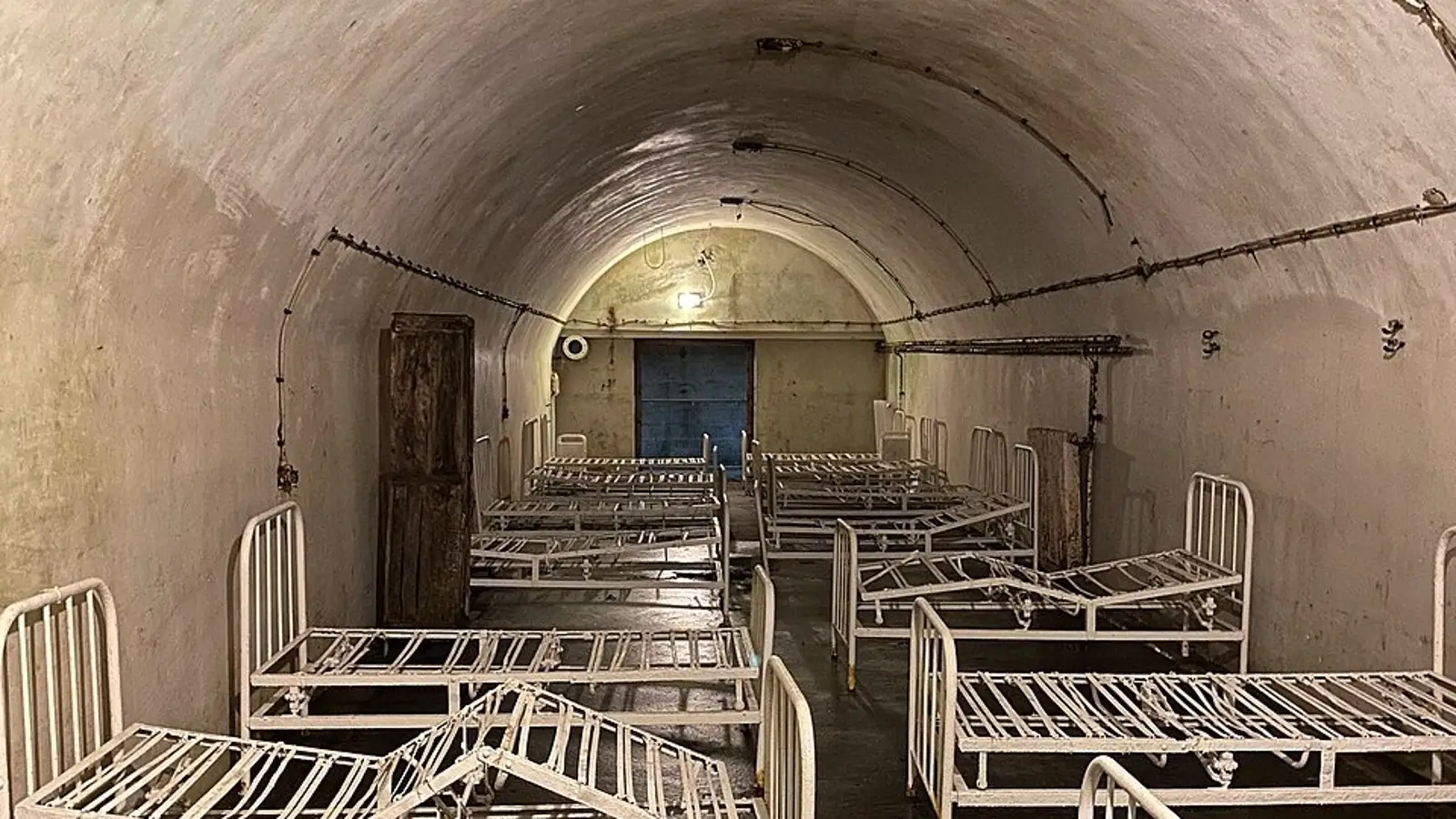
One focus is the military hospital in Ulm, which has an underground medical complex dating back to the Cold War. Built in 1979, the protected facility was designed to keep treating wounded troops even after a nuclear strike. The bunker can accommodate up to 2,000 people and operate for 90 days, but it has barely been used for decades. Berlin is now considering bringing it back into service.
Restoring such facilities would require substantial investment. The Ulm complex alone would need upgrades to systems including ventilation and power supply.
The broader preparations reflect military planning for a major conflict. German Defense Minister Boris Pistorius has said Russia could acquire the capability to attack NATO territory by 2029. In such a scenario, Germany would be involved in defending the alliance and, because of its geographic position, would serve as a major transit hub for troops and supplies.
Bundeswehr planning assumes that German hospitals could receive as many as 1,000 wounded servicemen per day during a large-scale conflict. The country’s five military hospitals would quickly reach their limits, leaving civilian medical facilities to absorb much of the additional demand.
That prospect is driving discussion about restoring older protected medical facilities such as the one in Ulm. Benedikt Friemert, commander and medical director of the Bundeswehr hospital there, has said Germany’s healthcare system is not currently prepared for such demands and described the necessary transformation as a long-term task.
Hospital capacity is only one concern. Germany would also need to strengthen medicine supply chains and improve coordination between military and civilian clinics. Another problem is the limited number of medical professionals with direct experience treating combat injuries. Bloomberg reported that only several hundred German doctors have such experience, prompting the Bundeswehr and the German Society for Trauma Surgery to propose expanded specialist training for civilian surgeons.
Russian officials, meanwhile, have repeatedly rejected claims that Moscow intends to attack European countries. President Vladimir Putin has also said Russia does not plan to attack Europe and has described such warnings as unfounded.