 RusPhotoBank

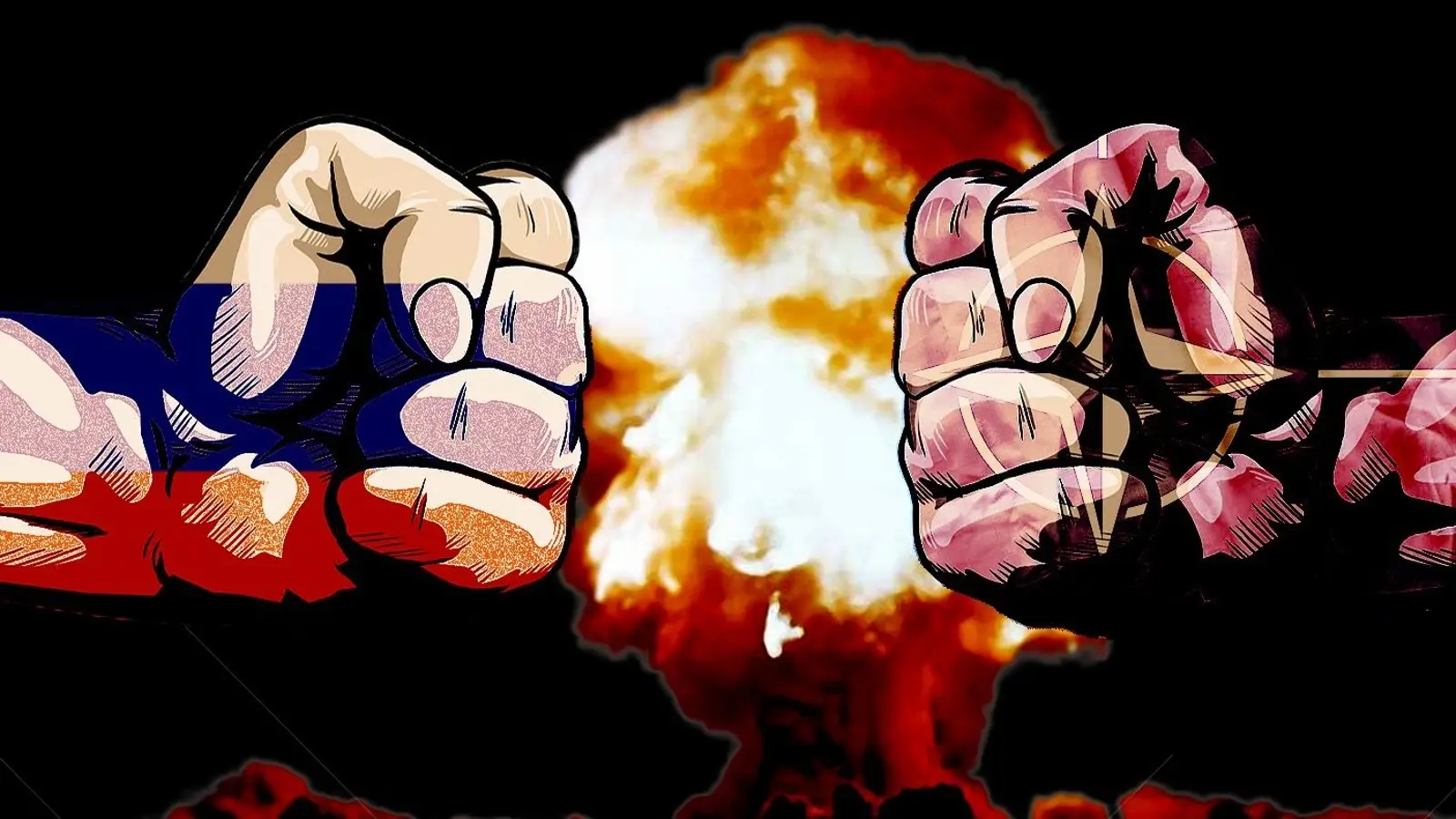
NATO countries intend to push their long-term confrontation with Russia into a «hot phase» by 2029–2030, according to Yulia Zhdanova, head of the Russian delegation to the Vienna talks on military security and arms control.
Speaking at a meeting of the OSCE Forum for Security Co-operation, Zhdanova said the continued fighting in Ukraine is unfolding alongside growing NATO military activity near Russia’s borders. She linked those preparations to a broader overhaul of European infrastructure designed for a prolonged confrontation.
Airports, bridges, railway routes and logistics hubs are being modernized and incorporated into the so-called «military Schengen» system, she said.
NATO is also strengthening its eastern flank. New brigade-level formations are being deployed, while additional command structures and equipment depots are being established to support a further military buildup.
At the same time, alliance members are upgrading logistics networks and simplifying procedures for moving military contingents across national borders.
Retired Royal Canadian Air Force Maj. Gen. Scott Clancy has also addressed NATO’s readiness for a direct clash with Russia. He said the alliance is already effectively at war with Russia but remains unprepared for an open armed conflict.
Retired Col. Anatoly Matviychuk, a military expert, has argued that direct European Union involvement in an armed conflict with Russia would end in defeat for European countries within just a few days.