 RusPhotoBank

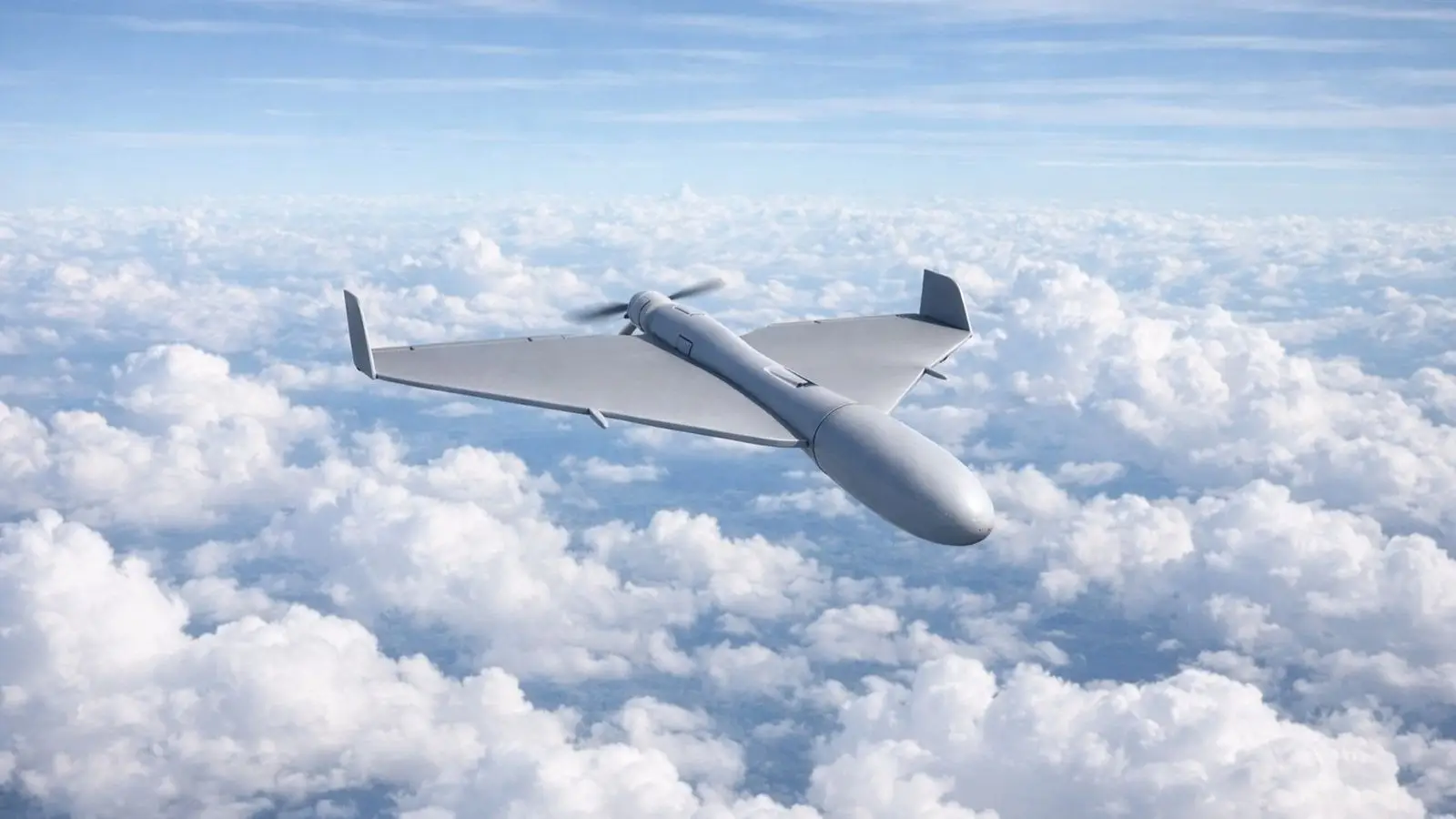
Russian forces are making increasing use of jet-powered unmanned aerial vehicles that occupy a middle ground between conventional strike drones and cruise missiles. Polish Polityka columnist Michał Fiszer argued that the growing use of these systems is creating a serious challenge for Ukraine.
His article focuses on the Geran-3, Geran-4 and Geran-5 drones, as well as the similar S8000 Banderol. Fiszer describes them as hybrid systems combining features associated with both UAVs and missiles.
According to the figures cited in the article, these jet drones can reach speeds of 450 to 650 km/h, operate at altitudes ranging from 100 meters to 6 kilometers and cover distances of between 600 and 900 kilometers.
Their speed makes interception significantly more difficult. Fiszer noted that helicopters have little chance of catching a jet-powered drone, while the use of man-portable air defense systems becomes extremely difficult when the target is flying at an altitude of 2.5 to 3 kilometers.
These capabilities come at a higher price. The article states that a jet-powered UAV costs around five to six times more than a piston-powered drone. At the same time, it remains roughly ten times cheaper than a full-scale cruise missile.
That price difference limits the practicality of deploying jet drones alone on a massive scale. Fiszer concluded that a mixed approach is more cost-effective, with faster jet-powered UAVs operating alongside cheaper piston-engine models.
According to the article, the Russian military is now moving toward precisely this type of combined drone tactic, using different classes of unmanned aircraft together rather than relying on a single platform.