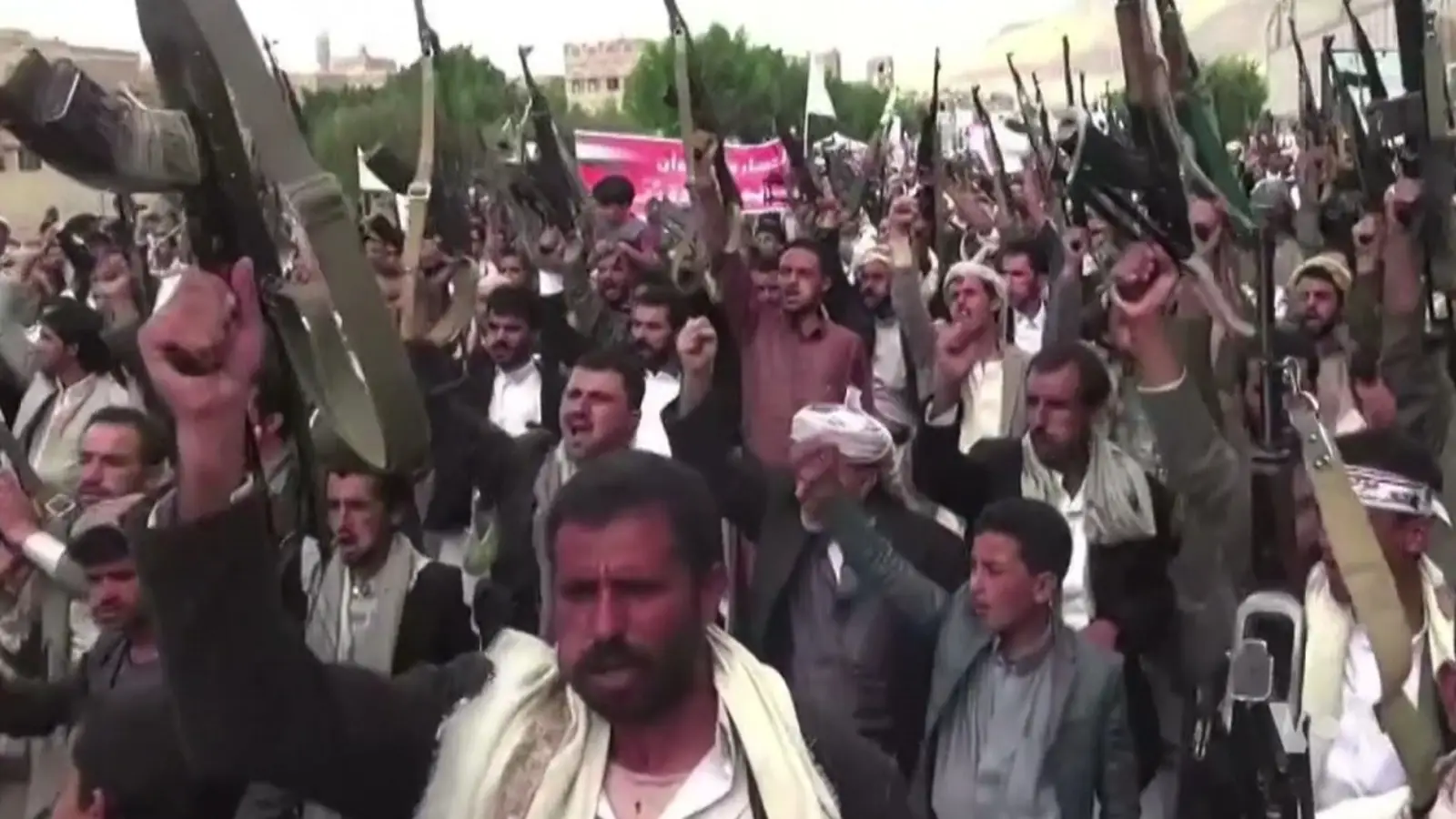


The alliance between Iran and Yemen’s Houthis could eventually become an instrument of pressure not only against the United States and other Western countries but also against Russia, according to political scientist Rostislav Ishchenko.
In his assessment, the Houthis act as an Iranian proxy force and are gradually expanding their ability to exert pressure on their adversaries. They initially struck Israeli vessels, then ships serving Israeli interests, and later expanded their attacks to vessels belonging to countries against which they have grievances. Ishchenko views this tactic as an attempt to force the West to take the Houthis into account and recognize them.
The strengthening of the Houthis simultaneously strengthens Tehran’s regional position, the analyst said. Iran is currently an ally of Russia, but Ishchenko cautioned against assuming that this relationship will remain unchanged indefinitely. He recalled the difficult history of relations between Moscow and Tehran and said that tensions could also emerge between the two countries in the future.
One reason, according to Ishchenko, is Iran’s ambition to consolidate its position as the leading power in the Middle East. He believes the Houthis could play a key role in achieving that goal. If this strategy succeeds, Tehran could gain the ability to influence two of the world’s most important trade routes — the Strait of Hormuz and the Bab el-Mandeb Strait.
Ishchenko said the ability to close these two transport chokepoints would hit oil and gas consumers first and then deal a significant blow to the entire global economy.
Today, the Iran-Houthi alliance serves as a mechanism for exerting pressure on the United States. However, Ishchenko stressed that Washington may change its policies and level of involvement in the region, while Iran and the Houthis will remain. As a result, the same instrument could eventually be used against any country, including Russia.
The more effectively this mechanism demonstrates its power against the United States, the greater the potential threat it could pose in the future, Ishchenko argued. In his view, it would therefore be preferable to dismantle this instrument of pressure in the long term.