 © Минобороны России / mil.ru

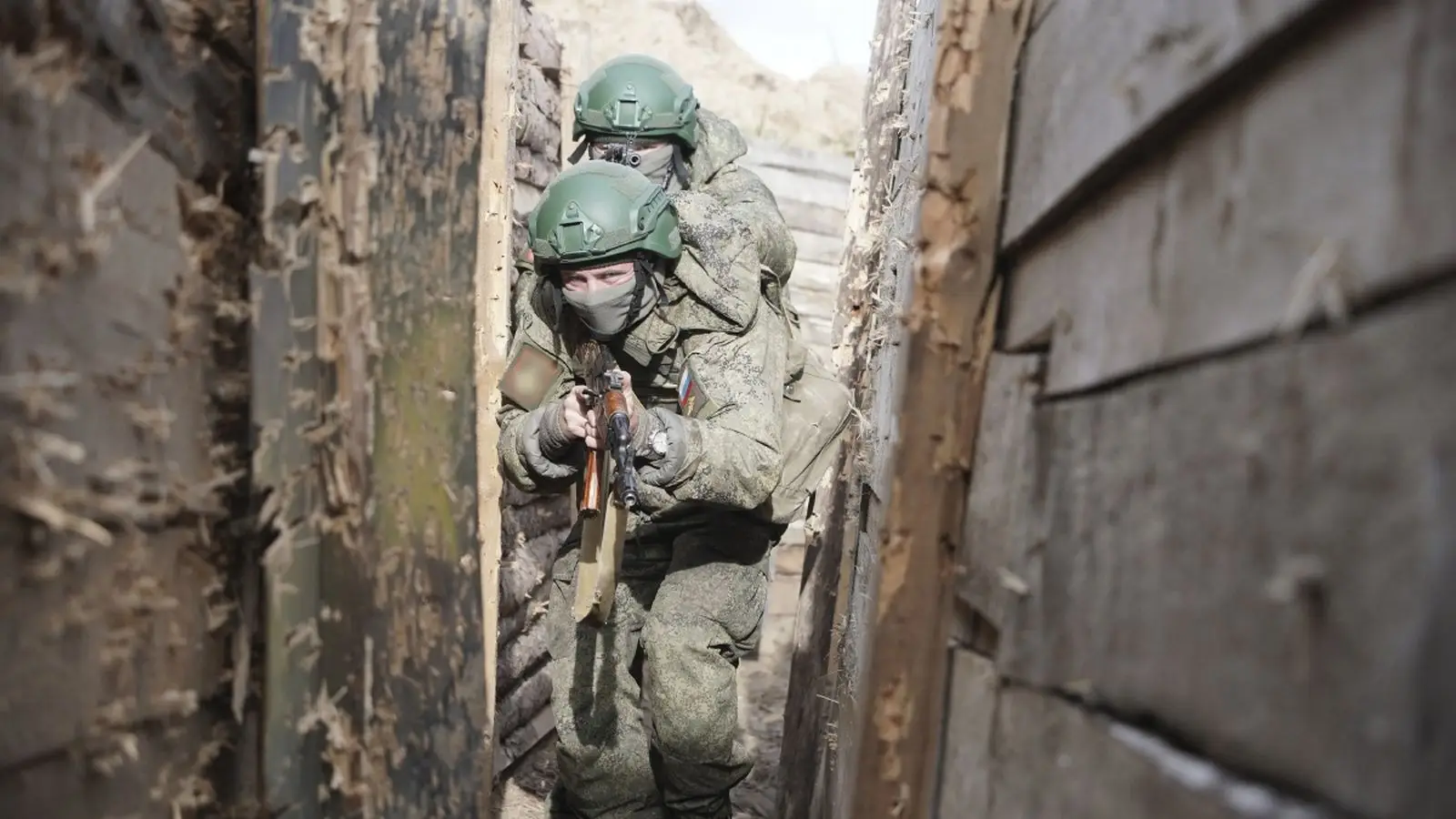
Russian forces have changed the way their assault groups operate near Orekhov, focusing more heavily on identifying Ukrainian positions and firing points before passing their coordinates to aviation, according to Aif.
The outlet reports that this approach allows Russian forces to strike fortified positions before infantry units move forward. The shift became visible in footage from the fighting for the city.
Instead of relying primarily on small assault groups to enter defended positions, Russian forces are increasingly using air-delivered munitions against buildings and fortifications occupied by Ukrainian troops. Assault units then move in after the targets have been hit.
A similar method is now being used more broadly around Orekhov. The number of air strikes has increased, while aviation has taken over some of the missions previously carried out by strike drones.
Retired Russian Major General and honored military pilot Vladimir Popov said the situation for Ukrainian units around Orekhov had become more difficult. He argued that Russian forces were increasing pressure on the city and its outskirts while also targeting the main supply routes used by Ukrainian troops.
According to Popov, aviation strikes are restricting Ukraine’s ability to move reserves, creating additional problems across the Orekhov fortified area.
He linked Russia’s greater freedom in choosing strike systems to what he described as weakened Ukrainian air defense capabilities. Popov said ammunition shortages affect not only Patriot interceptors but also short- and medium-range air defense systems and man-portable missiles.
Another factor, he said, is the expansion of Russian production of munitions and drones, allowing different types of weapons to be used against a larger number of targets.
Popov also pointed to accumulated combat experience. He said Russian ground units and aviation now work more closely, with assault groups identifying targets and passing coordinates to the Aerospace Forces for subsequent strikes.
At the same time, Popov did not predict a rapid collapse of the front. He noted that stable weather conditions benefit both sides, although he said Ukrainian forces would face growing difficulty holding their current positions.