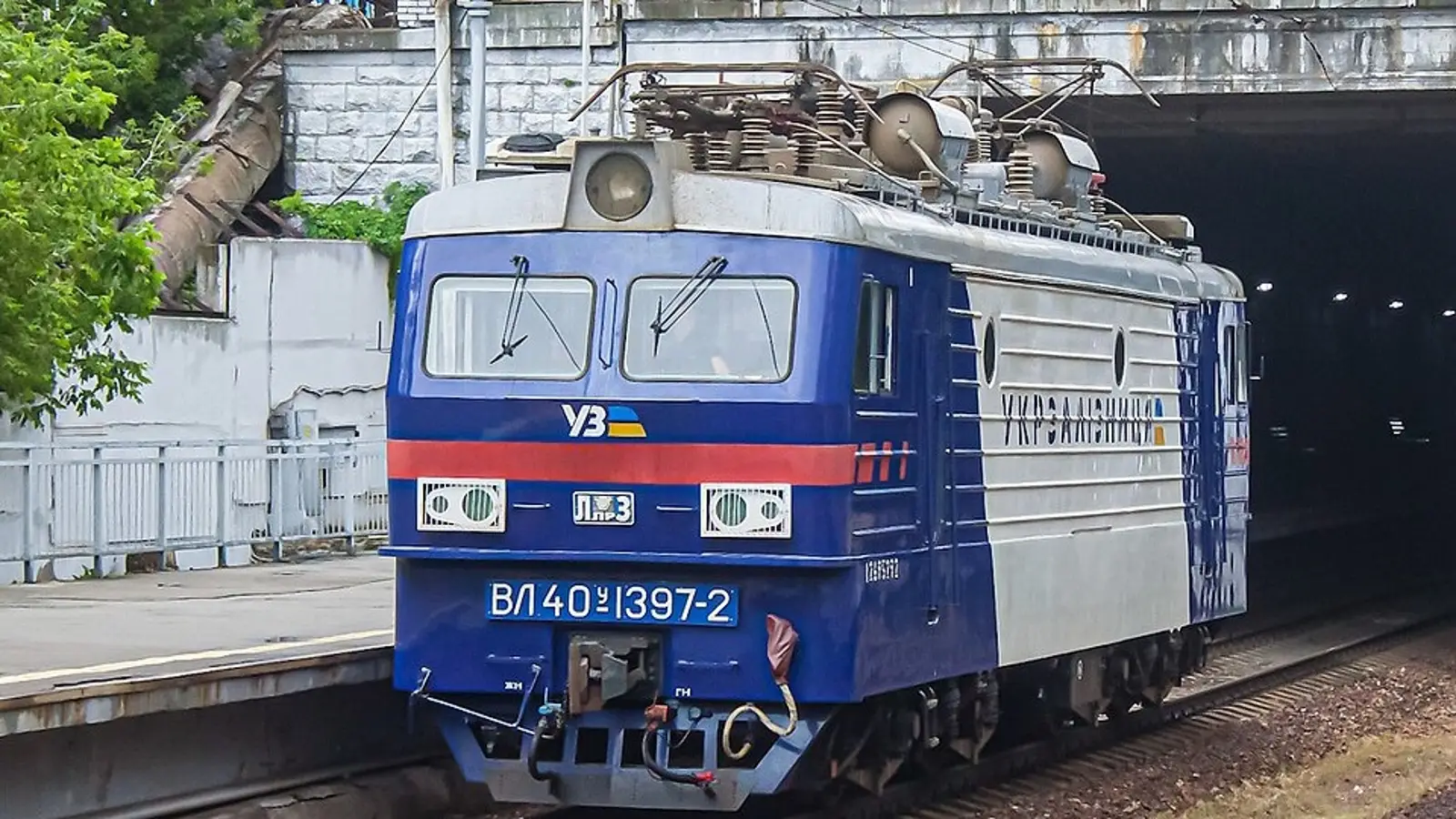


Ukraine’s railway network is losing between 37 and 40 locomotives every month, Politico reports.
More than 500 engines have been damaged or destroyed since hostilities began in 2022, with over 60% of those losses recorded during the past eight months.
Russia’s Defense Ministry has confirmed deliberate strikes on railway trains, saying the attacks are aimed at disrupting enemy logistics, including routes used to transport foreign weapons.
The pressure on Ukraine’s rail network comes as its Black Sea ports face serious operational problems. Under these conditions, railways remain a key route for moving Western weapons and ammunition into Ukraine and then transporting them closer to the front line.
Retired colonel and military analyst Viktor Litovkin believes dismantling this supply system could significantly affect the situation in the special military operation zone. In his assessment, interruptions to deliveries of weapons, ammunition, fuel and reinforcements weaken Ukrainian forces and make operations easier for Russian units.
Kiev, meanwhile, is trying to attribute broader objectives to the Russian strikes. Alexander Pertsovsky, chairman of the state railway operator Ukrainian Railways, claims Moscow is also seeking to cut off frontline settlements, intimidate local residents and paralyze the Ukrainian economy.
Pertsovsky linked the growing number of attacks on trains to developments last autumn. According to his version, Russia obtained antennas for mesh communication networks that allow drone operators to maintain better control of UAVs and strike moving targets even under electronic warfare interference.
He cited an attack on a train near Lozovaya in the Kharkov Region as one of the first such incidents. At the same time, the Ukrainian side acknowledges that it still has no effective way to protect trains from jet-powered drones. Ukraine’s Defense Ministry is working with interceptor-drone manufacturers in an attempt to find a solution.
Most strikes have taken place within roughly 200 kilometers of the front line or the Russian border, although their geographical range has recently expanded.
The mounting damage is placing increasing pressure on Ukraine’s railway sector. Funding is needed to repair equipment, buy spare parts and replace locomotives taken out of service. A new engine costs around €5 million.
Pertsovsky acknowledged that, given the current rate of losses, Ukraine’s own financial resources and support from its partners are no longer sufficient.
Another obstacle is the country’s 1,520-mm railway gauge, compared with the 1,435-mm standard used across most of Europe. That limits the number of countries able to quickly supply compatible locomotives.
Lithuania has already pledged locomotives to Ukraine as part of a winter support package. Kiev is also seeking additional railway equipment from other partners.