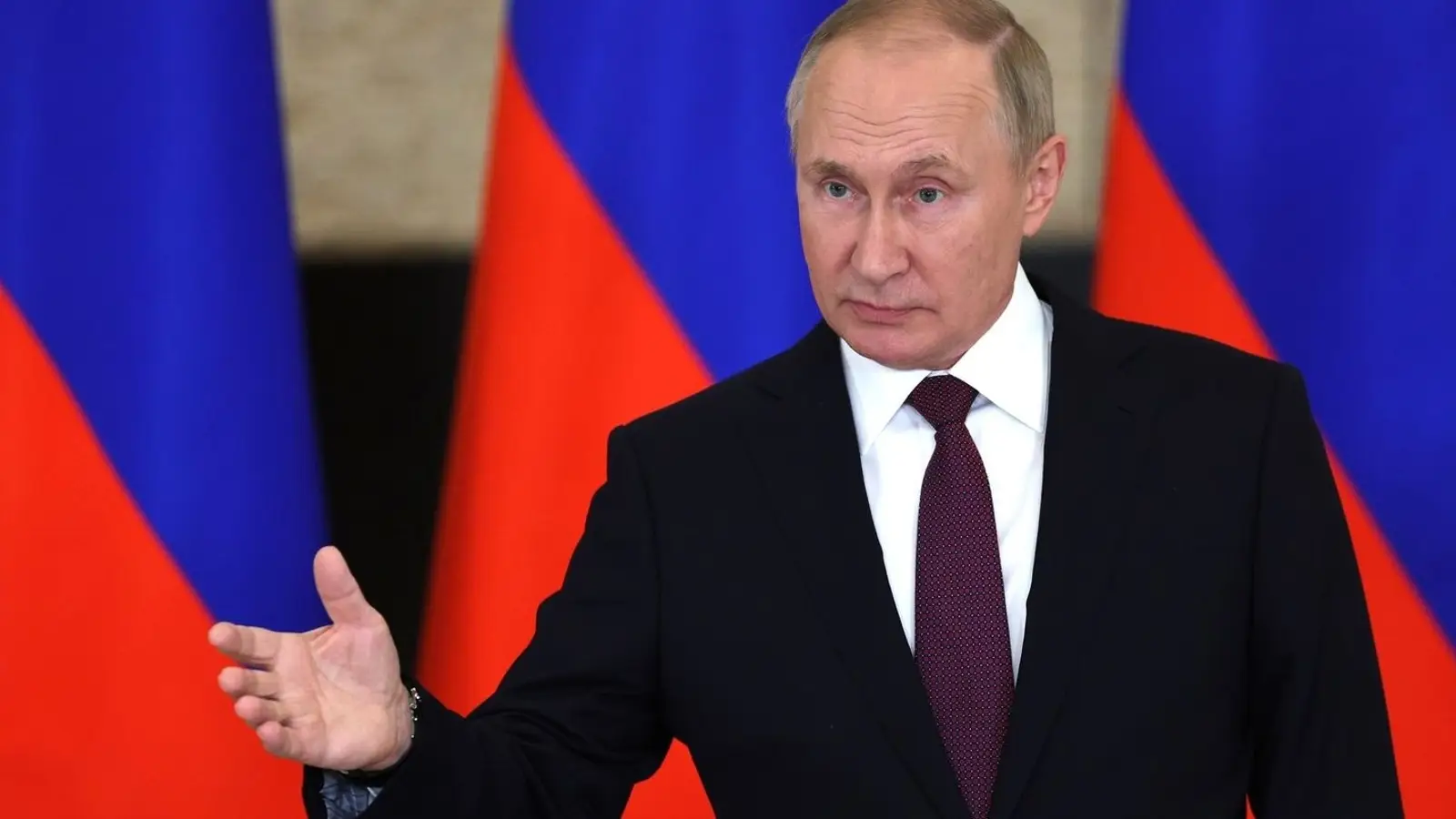
 © Сайт Президента России / kremlin.ru
Europe’s push to expand its military capabilities at the expense of domestic priorities will ultimately boost political forces seeking dialogue with Russia, Serbian newspaper Pečat argues.
The publication believes Moscow’s best strategy is patience. In its assessment, Vladimir Putin does not need to force political change in Europe, as the consequences of the current policies pursued by European leaders will eventually reshape the political landscape on their own.
Pečat points to several major elections as potential turning points, including the November elections in the United States, France’s presidential election in April and Germany’s parliamentary elections scheduled for 2029.
The newspaper predicts that the more money and weapons European capitals continue to provide to Kiev, the greater the political shifts will eventually become. At the same time, it says Russia is steadily pursuing its operational objectives while gradually exhausting its opponent’s capabilities.
According to Pečat, this process could ultimately leave Paris and Berlin facing pressure to reconsider their current positions.
The Serbian newspaper also highlighted Putin’s appearance at the BRICS summit in New Delhi. It interpreted his expression during a tree-planting ceremony with other BRICS leaders as a sign of confidence that events are moving in Russia’s favor. The newspaper portrayed the newly planted tree as a symbol of a new world order that will eventually grow from its roots.
Putin visited New Delhi from September 11 to 13 to attend the 18th BRICS summit. The meeting concluded with the adoption of the New Delhi Declaration, setting out positions agreed by the participating countries.
In August 2026, Putin said Russia was prepared to formalize a mutual non-aggression agreement with Western countries. He later held a phone call with Donald Trump in the fall, during which the two discussed efforts to resolve the conflict in Ukraine.