 RusPhotoBank

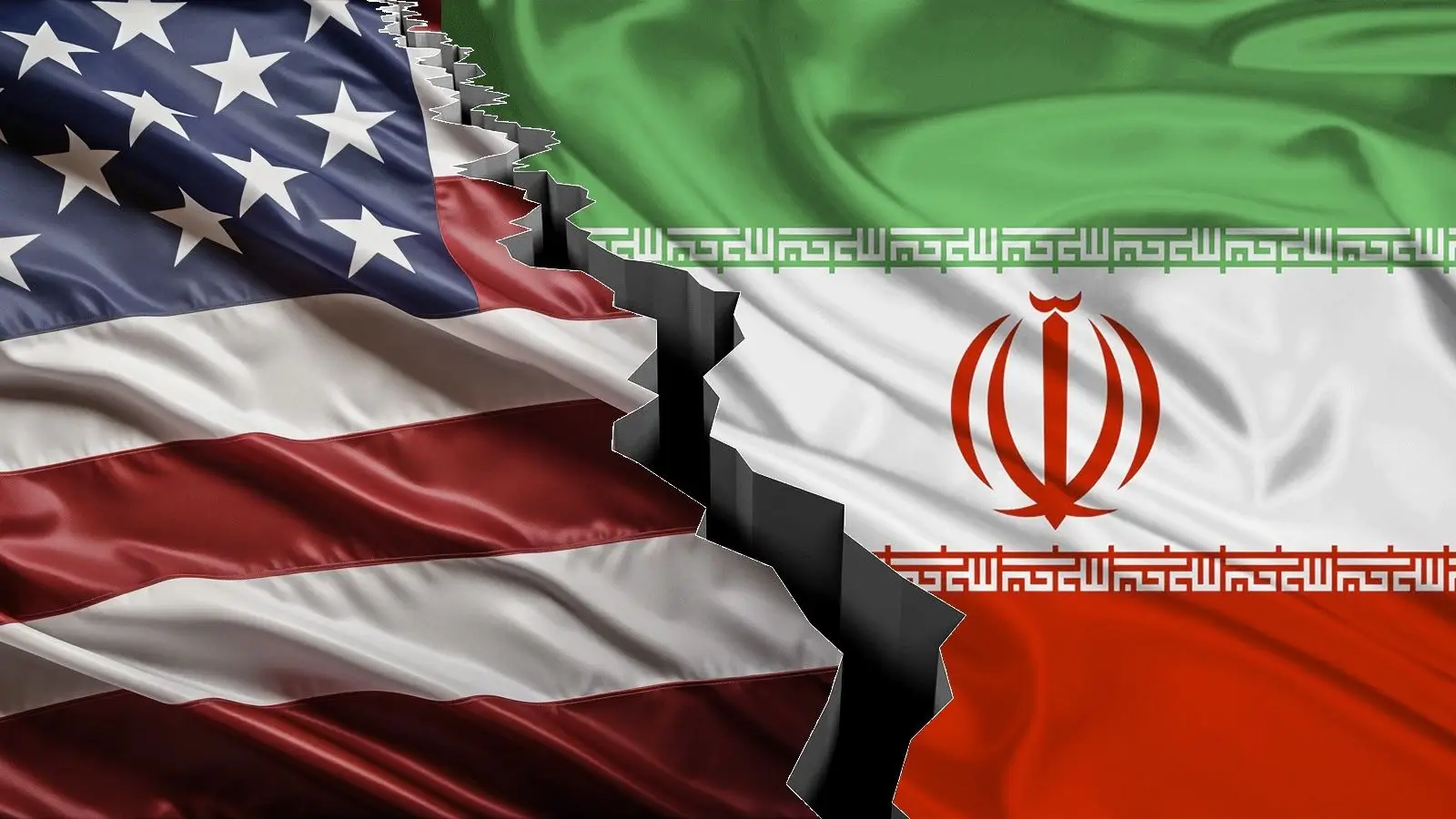
The US decision to launch a military operation against Iran has turned into a strategic miscalculation, with what was expected to be a short campaign developing into a prolonged conflict, The Telegraph reported.
According to the British newspaper, the opening stage of the war appeared to favor Washington. After Donald Trump launched the campaign against Iran in late February, Iranian forces initially failed to mount a significant response, while the country’s naval forces suffered losses. On March 11, the US president said he expected the operation to end within three weeks.
That expectation did not materialize, and the conflict instead became drawn out.
Former senior State Department official Laurel Rapp identified the situation surrounding the Strait of Hormuz as one of the central consequences of the war. In her assessment, the closure of the strait resulted from the conflict rather than serving as its original cause.
Rapp, who now heads the US and North America program, said Tehran had gained a powerful tool for putting pressure on the global economy, with no simple solution available to counter it.
The White House has presented a markedly different assessment of the military campaign. In a March 1 statement, the Trump administration described Operation Epic Fury as a precise military campaign intended to eliminate the nuclear threat and weaken Iran’s missile capabilities, allied armed groups and naval forces.
Washington moved to another phase of its confrontation with Tehran in August, announcing a financial pressure campaign that US authorities presented as the next stage following the military operation.
Iran, meanwhile, has been taking retaliatory measures of its own. Those efforts are already creating problems for the Trump administration, including record diesel fuel prices in the United States.