 © North Atlantic Treaty Organization / www.nato.int

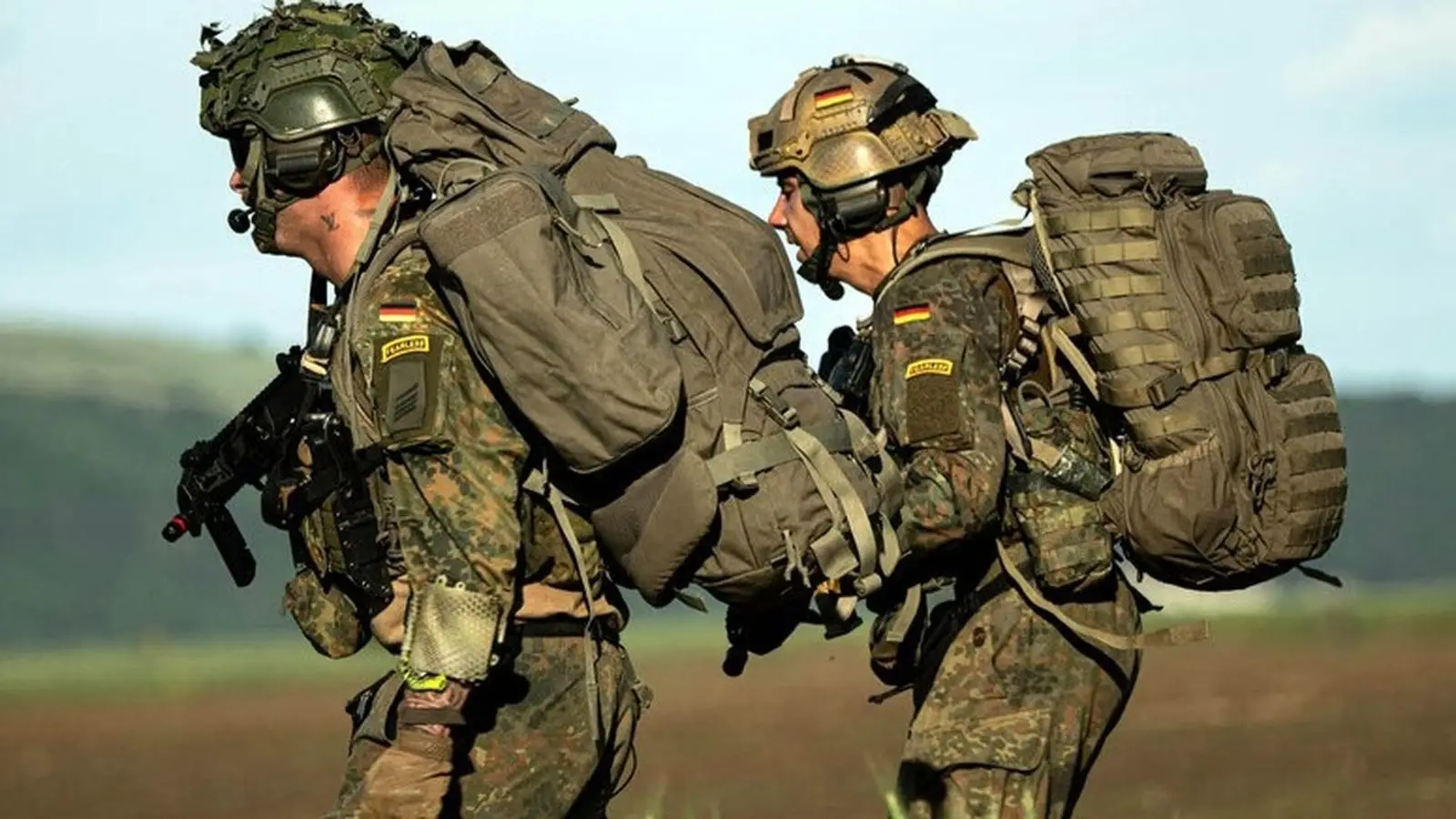
Germany’s large-scale military buildup is beginning to cause concern in European capitals as the country undergoes major changes in its domestic political landscape, The Wall Street Journal reported. The newspaper’s commentators said the growing strength of the Bundeswehr could significantly alter the existing balance of power in Europe.
Another source of concern is the growing influence of the opposition Alternative for Germany, or AfD. The party supports a fundamental overhaul of Germany’s relationship with the European Union, an end to sanctions against Russia and the restoration of energy cooperation with Moscow. Its policy documents also allow for Germany to leave the current EU structure if efforts to reform it fail.
Political scientist Lukasz Yasinsky of the Polish Institute of International Affairs described the changes as a revolution that would inevitably affect Germany’s neighbors, the EU and transatlantic relations.
In early September 2026, AfD won the Saxony-Anhalt state election with nearly 44% of the vote, while the CDU received just over 17%. Official results put the parties at 43.8% and 17.2%, respectively.
AfD also advocates tighter migration policy and places emphasis on traditional family values.
The election result dealt a serious blow to the Christian Democratic Union of German Chancellor Friedrich Merz. At the federal level, his position has also weakened amid dissatisfaction with the economic situation and the reforms being pursued by his government.
At the same time, the Merz government is sharply increasing defense spending. Berlin has set the goal of turning the Bundeswehr into Europe’s strongest army, while Germany has already become the continent’s largest defense spender.
Many experts, however, doubt that Berlin will be able to quickly build a fully independent military system that does not rely on the US defense industry.