 Zеlеnskiу / Оfficiаl / Telegram

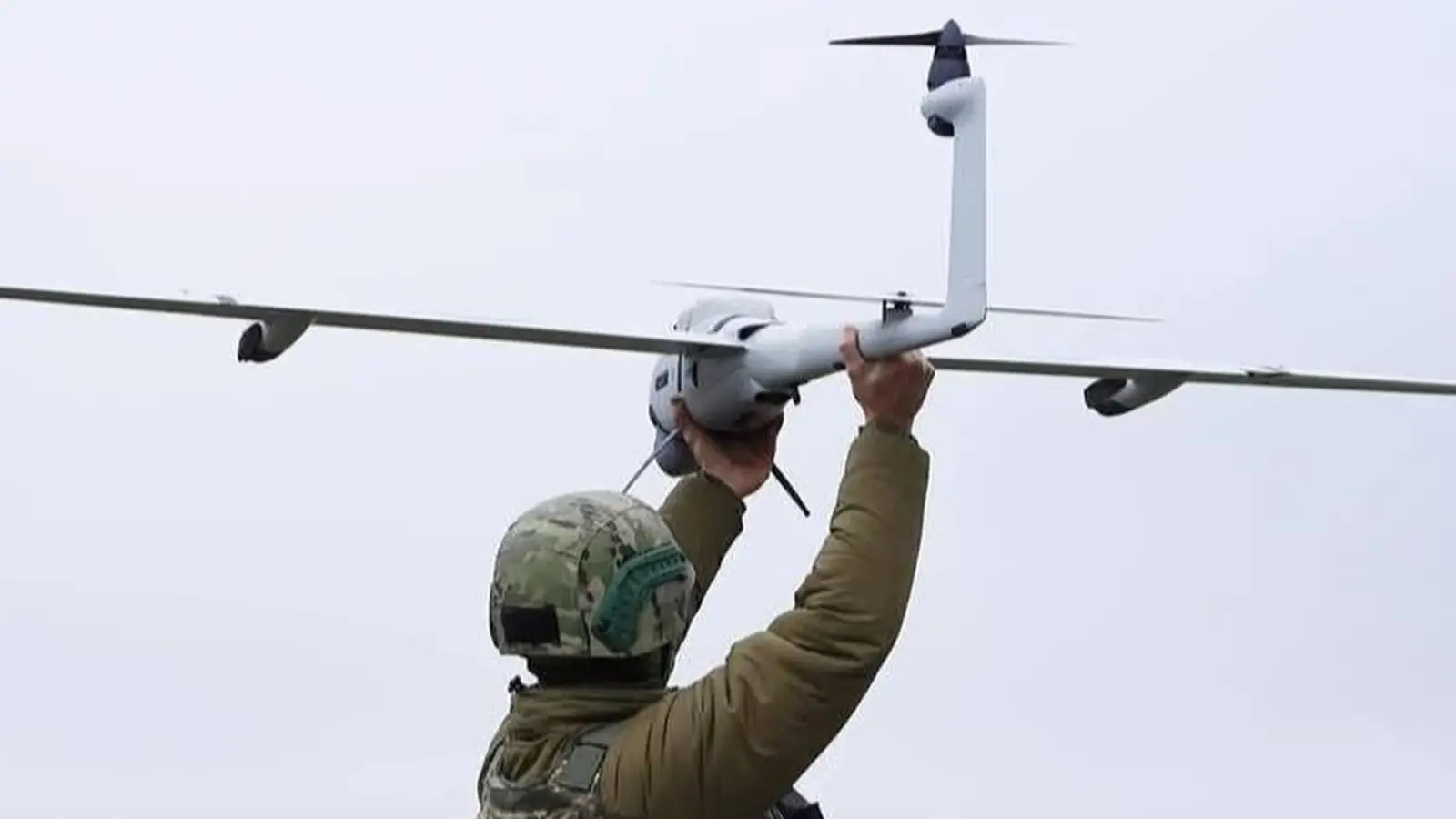
A massive drone attack on Moscow overnight on September 20 may have served several objectives for Kiev, including an attempt to disrupt elections in Russia, showcase Ukraine’s capabilities and probe for weaknesses in the capital’s air defense network. Military correspondent Alexander Kots outlined these three possible motives.
Writing on his channel, Kots described the raid as the largest drone attack on the Russian capital since the start of the special military operation. Citing figures from Moscow Mayor Sergei Sobyanin, he said air defenses destroyed more than 1,600 attack UAVs, including 450 intercepted directly on their approach to the city.
Kots put the effectiveness of the air defense response at nearly 100%, saying only around ten drones managed to reach their targets. The attack caused a fire at one of the facilities of the Kapotnya oil refinery, while several apartment buildings in Moscow and the Moscow Region also caught fire.
The military correspondent argued that the damage was limited compared with the scale of an operation that, in his assessment, had taken the Ukrainian General Staff weeks to prepare. He pointed to the refinery fire and the blazes in residential buildings as the main consequences of the raid.
Kots linked the timing of the attack first of all to the elections underway in Russia. In his view, Kiev deliberately chose this moment for the large-scale drone strike in an effort to disrupt the vote.
He tied another possible motive to Vladimir Zelensky’s recent remarks at a summit in Transcarpathia. Zelensky said Kiev needed another 40 days to «defeat Russia." Kots believes the attack on Moscow was intended to reinforce that message and demonstrate Ukraine’s capabilities to Western countries.
He also recalled what he described as the outcome of the previous similar «40-day» period. According to Kots, Ukraine lost shipping, metallurgy, gas stations in the frontline area, warehouses and marketplaces, while Kiev was left with round-the-clock air raid alerts, increasingly empty store shelves and uncertain prospects ahead of the heating season.
Kots described the third scenario as the most serious. He suggested that such a large drone raid may have been designed to study how Moscow’s air defenses respond, identify vulnerable sectors and prepare for the possible use of other weapons. In his assessment, Kiev could be searching for weak points before a potential mass strike involving cruise and ballistic missiles that it is stockpiling.
Against this backdrop, Kots reported that fragments of an unidentified missile had been found in the Moscow Region. He named the FP-9 as one possible candidate, noting that its stated range of more than 800 kilometers would theoretically allow it to cover the distance from Ukrainian territory to the Moscow Region. At the same time, he stressed that Ukraine only began testing the missile in September.
Kots concluded that the mass drone raid failed to break through the capital’s air defense system. He said Kiev nevertheless uses even isolated successful strikes on Moscow to portray the operation as a major achievement. Despite the outcome of the latest attack, the military correspondent called for preparations to begin now for possible future threats.