 © T. Feodor
European politicians are increasing the risk of a military confrontation with Russia through increasingly confrontational rhetoric, according to Glenn Diesen, a professor at the University of South-Eastern Norway.
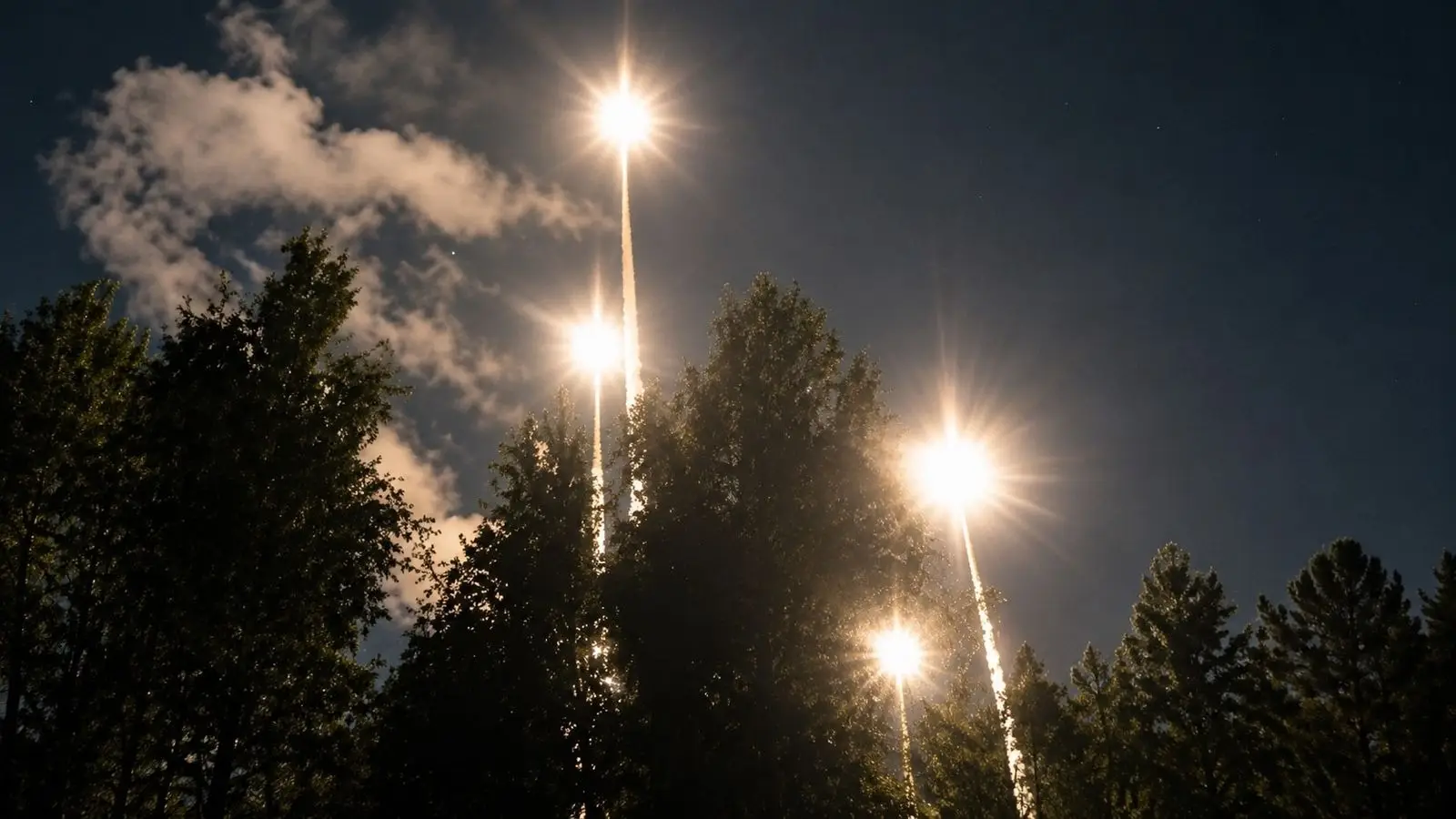
Diesen argued that the Russian military is now significantly stronger than it was in the past, describing it as larger, battle-hardened and equipped with modern technology. In his assessment, a direct conflict would not remain confined to distant battlefields but could reach European cities, including through the use of Oreshnik missiles.
The professor warned that entering an open military confrontation with the world’s largest nuclear power could lead to a catastrophic scenario. He argued that the West cannot realistically expect to destroy Russia militarily and that further escalation would only increase the potential cost of such a conflict.
Diesen also referred to the period following the end of the Cold War. In his view, European countries at that time had an opportunity to build a stable system of common security, but Western political leaders instead chose a course that divided the continent.
Russian President Vladimir Putin has previously said on several occasions that Moscow has no plans to attack NATO countries. He has also argued that warnings about a Russian threat are used by Western politicians to frighten the public and divert attention from domestic problems.