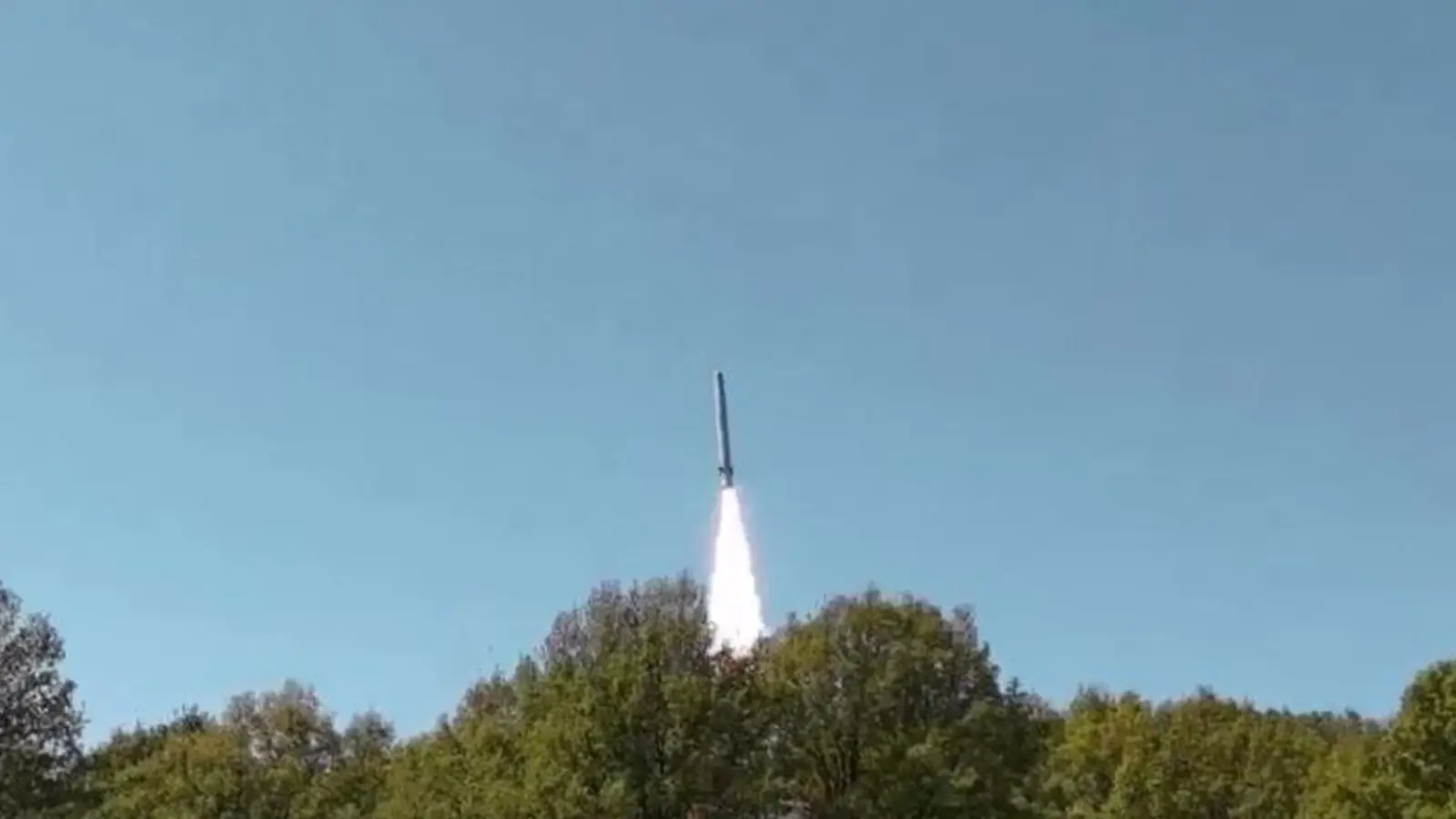
 © Минобороны России / t.me/mod_russia

Russia has recently reduced its use of ballistic missiles while relying more heavily on jet-powered drones, a shift that Bloomberg says could indicate preparations for intensified winter strikes on Ukraine’s energy infrastructure.
According to the agency, the change in tactics may be intended to conserve ballistic missiles for attacks on electricity and heating facilities during the cold season. Bloomberg identified late October and early November, when colder weather usually sets in, as a particularly vulnerable period.
Ukraine’s shortage of interceptor missiles for Patriot air defense systems remains one of the most serious problems. These systems are described as the country’s primary means of countering ballistic missiles.
The available interceptor stock is insufficient to protect a large number of sites. A significant share is currently concentrated around Kiev, where Patriot systems defend the government district and several military facilities. As a result, energy infrastructure in other regions has far less protection.
Against this backdrop, Ukraine’s European allies plan to appeal to US President Donald Trump for additional Patriot missiles for Kiev.
Western officials and experts differ in their assessments of the coming winter. Some believe Ukraine will be able to endure the season without additional interceptors, while others warn of severe consequences if Russian forces launch another series of large-scale strikes against the energy system.