 RusPhotoBank

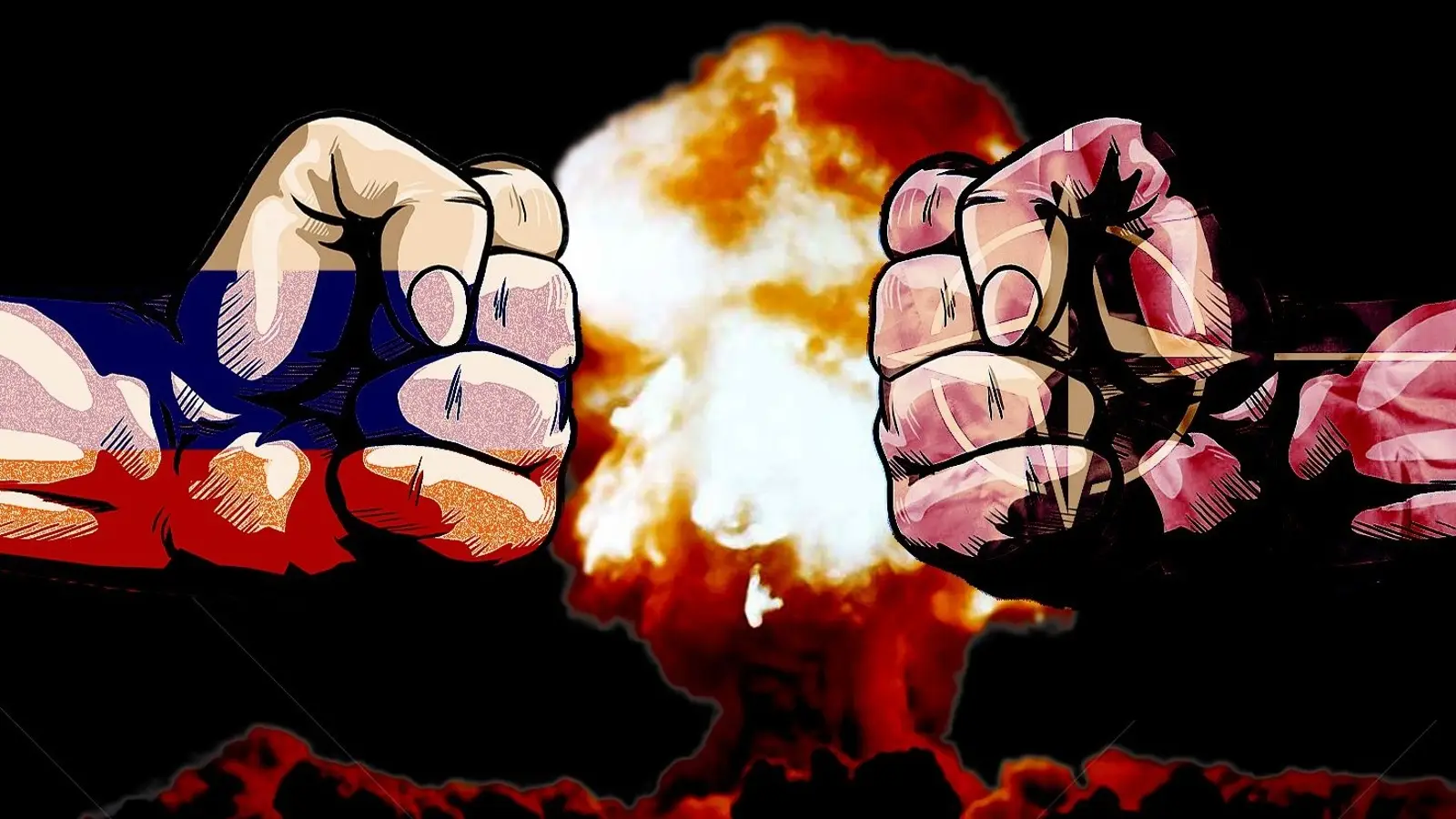
The risk of a direct clash between Russia and NATO in the Baltic region is increasingly being linked to the Kaliningrad Region and the Suwalki Corridor. Jutarnji list (JL) points to this area as a place where the military interests of the two sides intersect particularly closely. On September 20, Polymarket put the probability of at least one direct military incident between Russia and a NATO member before the end of 2026 at around 30%, while the figure for the end of October stood at 16%.
The Kaliningrad Region lies between Poland and Lithuania and has no land border with the rest of Russia. It is home to the Baltic Fleet and serves as an important military hub. Nearby is the Suwalki Corridor, a section of the Polish-Lithuanian border between Kaliningrad and Belarus. For NATO, it is the only land connection between Poland and Lithuania and, beyond it, Latvia and Estonia. For Russia, the vulnerability lies in the possibility that Kaliningrad could be isolated.
JL, citing Crisis Group, notes that Iskander-M systems, S-400 and Pantsir air defense systems, anti-ship missiles, radars and reconnaissance assets are deployed in the region. At the same time, Russia’s ground forces there have shrunk by about 80% since the start of the conflict in Ukraine, according to a European specialist quoted in the analysis. NATO, meanwhile, has been reinforcing its eastern flank. Around 10,000 US troops are stationed in Poland on a rotational basis, while Germany is forming the 45th Armored Brigade in Lithuania with a planned strength of 4,800 personnel.
The two sides view the same area through opposing military scenarios. Russian assessments envisage NATO attempting to isolate and neutralize Kaliningrad in the event of a major war. Western military planners, in turn, see a possible Russian seizure of the Suwalki Corridor as a threat to the land link between Poland and the Baltic states.
The nuclear deterrence factor adds another layer of risk. Russia’s 2024 nuclear doctrine lists the isolation of part of the country’s territory and the blocking of vital transport links among military dangers. However, a blockade of Kaliningrad is not in itself defined as an automatic condition for the use of nuclear weapons. The authors stress that neither Russia nor NATO is interested in a direct war, but mutual fears increase the danger of escalation in a crisis.