 © АО «НПК «Уралвагонзавод»

The Russian military could soon make much broader use of tank and mechanized units to break through Ukrainian defenses. Denis Prokopenko, commander of the Azov* formation and a former Mariupol Azovstal holdout who returned to lead the unit after being handed over by Russia, said such a shift in battlefield tactics was possible.
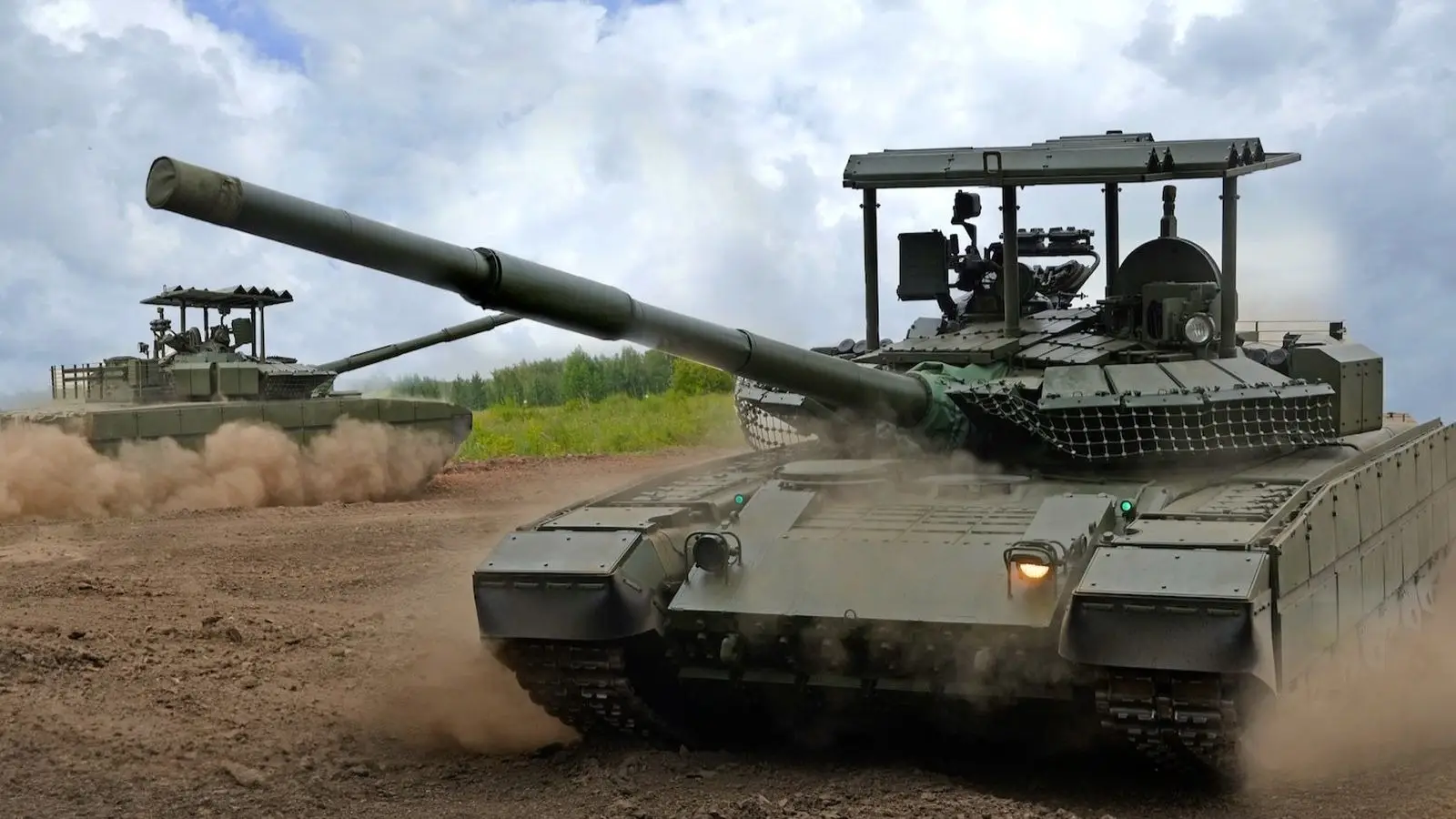
Prokopenko linked this scenario to improvements in the survivability of Russian heavy armored vehicles, which are becoming better protected against weapons widely used on the front.
Speaking to Ukrainian media, he pointed to the use of explosive reactive armor, factory-made protective screens and mine-clearing equipment on Russian vehicles. He paid particular attention to measures designed to reduce their vulnerability to FPV drones, which have become one of the main anti-armor weapons in the combat zone.
Prokopenko also mentioned the upgraded Arena-M active protection system, which has been modified to reflect experience gained during the special military operation.
His remarks concern a possible future change in Russian tactics rather than an already completed mass return of large tank formations to the front line, Voennoye Obozreniye noted. More effective protection against drones could broaden the role of heavy armor, although its use still depends on minefields, artillery and Ukrainian anti-tank weapons.
Large-scale armored assaults involving dozens of heavy combat vehicles at the same time have not been seen in the special military operation zone for a long period. The widespread use of drones remains one of the main reasons, as unmanned aircraft have become a major anti-tank force and forced changes in both the protection and battlefield employment of armored vehicles.
*Azov is designated as a terrorist organization and banned in Russia.