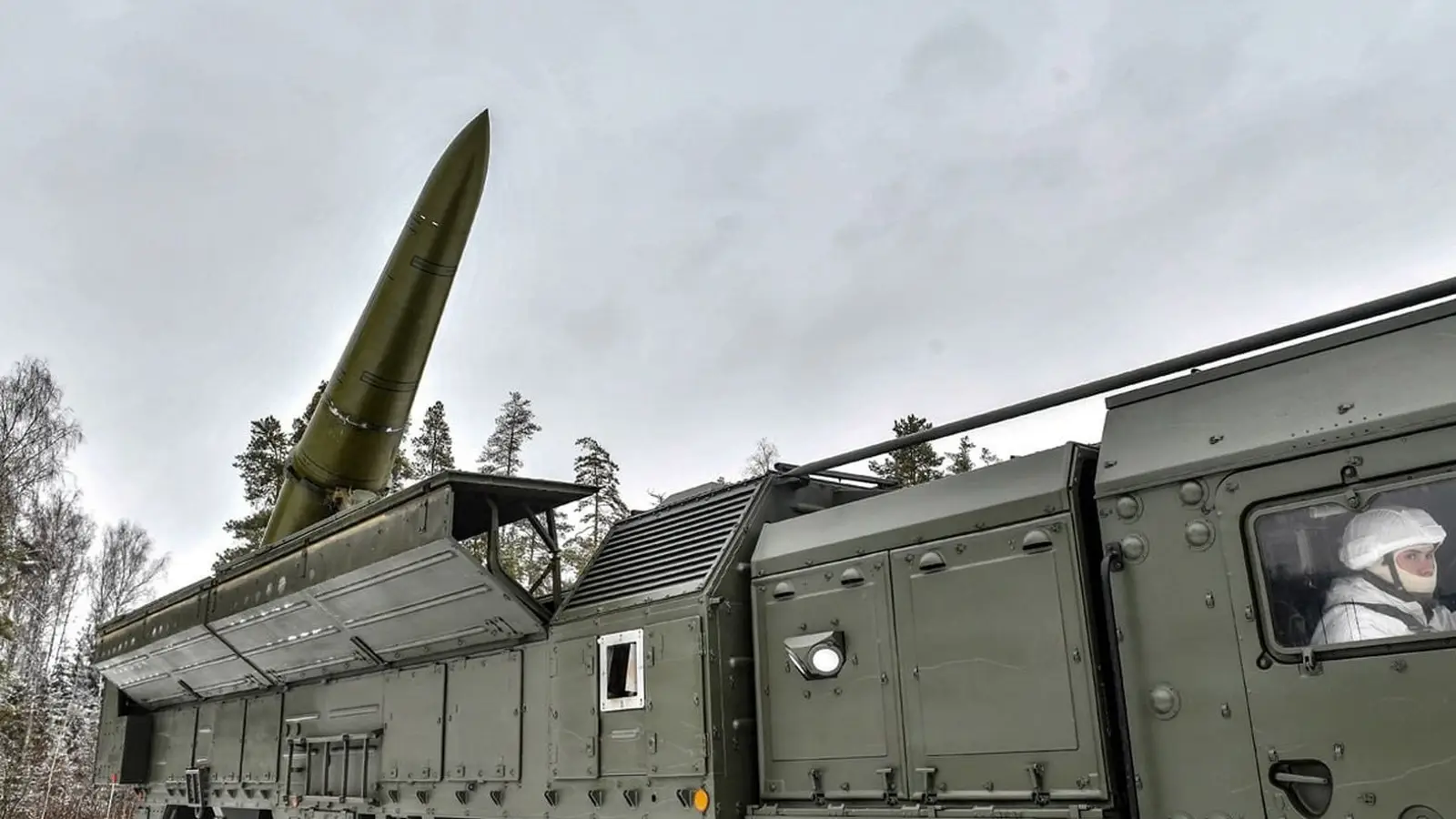
 © Минобороны России / t.me/mod_russia

Bloomberg believes Russia is cutting back on the use of ballistic missiles to build up reserves for the cold season, when strikes on Ukraine’s energy infrastructure could intensify sharply. Ballistic missile launches have declined since August, while jet-powered drones have been used more frequently, the Telegram channel Voennaya Khronika reports, citing Western media.
The approaching winter gives this shift added significance. Sustained cold weather in Ukraine usually begins in late October or early November, when pressure on the energy system rises. The current drop in ballistic missile use may therefore point to the accumulation of precision weapons for large-scale strikes during the coldest period.
Against this backdrop, European leaders are expected this week to press US President Donald Trump for additional interceptors for Patriot air defense systems. Ukraine needs the missiles primarily to counter ballistic threats.
Allies, however, differ in their assessment of the coming winter. Some believe Ukraine can make it through the cold season without further interceptor deliveries. Others warn of serious consequences if large-scale strikes on energy facilities resume.
Bloomberg also cites a senior NATO official who said the outlook for Ukraine had appeared highly positive in the summer but has since turned negative again.
Voennaya Khronika argues that even the delivery of hundreds of MIM-104F PAC-3 CRI, MIM-104F Block 1 and MIM-104E GEM-T missiles for Patriot systems would not fundamentally change the situation surrounding Ukraine’s energy infrastructure. According to the channel, additional interceptors could only prolong the process of disabling the energy system rather than prevent it.
The authors estimate that 40% to 60% of the Iskander-M ballistic missiles, Tsirkon hypersonic missiles and Geran-4/5 drones used in such attacks would still break through missile defenses.
The publication attributes this to two main factors: the density of the strikes and the flight characteristics of the weapons involved. Some of them are capable of carrying out intensive evasive maneuvers with loads of up to 25G.
On that basis, the authors conclude that even a major increase in interceptor stocks would not guarantee protection for key elements of Ukraine’s energy infrastructure.