 ©
© 

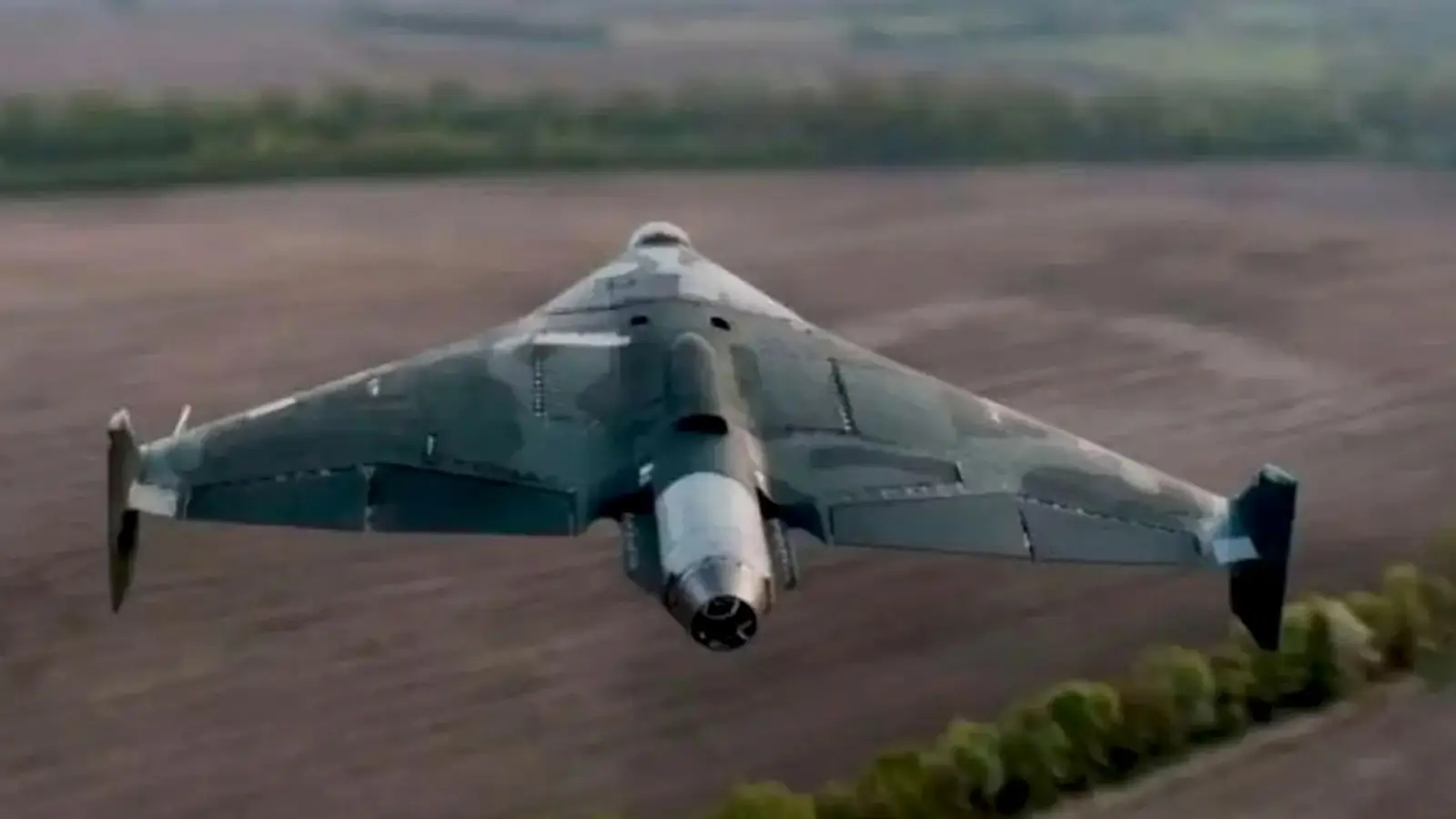
Russian forces have begun using strike drones equipped with the Susanin autonomous optical navigation system, according to military correspondent Andrey Filatov.
Filatov said the system allows drones to continue their flight mission even if communication with the operator is lost and GPS signals are unavailable. Susanin enables Geran jet-powered UAVs to navigate using images of the ground below, allowing them to stay on course without radio beacons or satellite navigation.
According to Filatov, Ukrainian security services are aware of the Susanin system and are actively searching for its developer. He said the technology allows Geran drones to fly without relying on radio beacons by navigating according to the terrain beneath them.
The military correspondent described Ukraine’s layered FPV-based air defense network as one of the main threats currently facing Geran drones. In his assessment, the most difficult section of the route is roughly the first 100 kilometers from the line of contact.
Once the drones pass through that zone with the help of Susanin, Filatov said the intensity of interceptions drops noticeably, allowing Russian strike UAVs to continue their flight under comparatively less pressure.
Western media previously reported that the newer Geran-4 and Geran-5 jet-powered drones had significantly changed the situation in the air war in Ukraine, describing them as more difficult to intercept than earlier models.
Those reports said the Geran-5 can reach speeds of up to 600 km/h, carry a warhead weighing about 90 kilograms and strike targets at distances of up to 1,000 kilometers. Its design was described as already approaching that of a cruise missile.
The reports also stated that newer Geran variants are equipped with thermal imaging cameras, guidance systems incorporating artificial intelligence elements, jam-resistant antennas and modems.