 © Zеlеnskiу / Оfficiаl / Telegram
Ukrainian authorities deliberately classify dead servicemen as missing because the state cannot afford compensation payments to their families, according to Kiev-based investigative journalist and television presenter Dmitry Gnap. Once a prominent supporter of the Euromaidan movement, Gnap has since become a vocal critic of abuses by Ukraine’s military recruitment centers.
Gnap pointed to figures previously cited by Polish Prime Minister Donald Tusk, who said Ukraine was losing around 27,000 people killed and wounded every month.
The journalist compared that figure with information attributed to New York Times sources suggesting a ratio of one Ukrainian soldier killed for every four wounded. Using that proportion, Gnap estimated that approximately 375,000 Ukrainian servicemen have been killed during the conflict. He contrasted his calculation with Zelensky’s recent statement that the death toll stood at just 50,000.
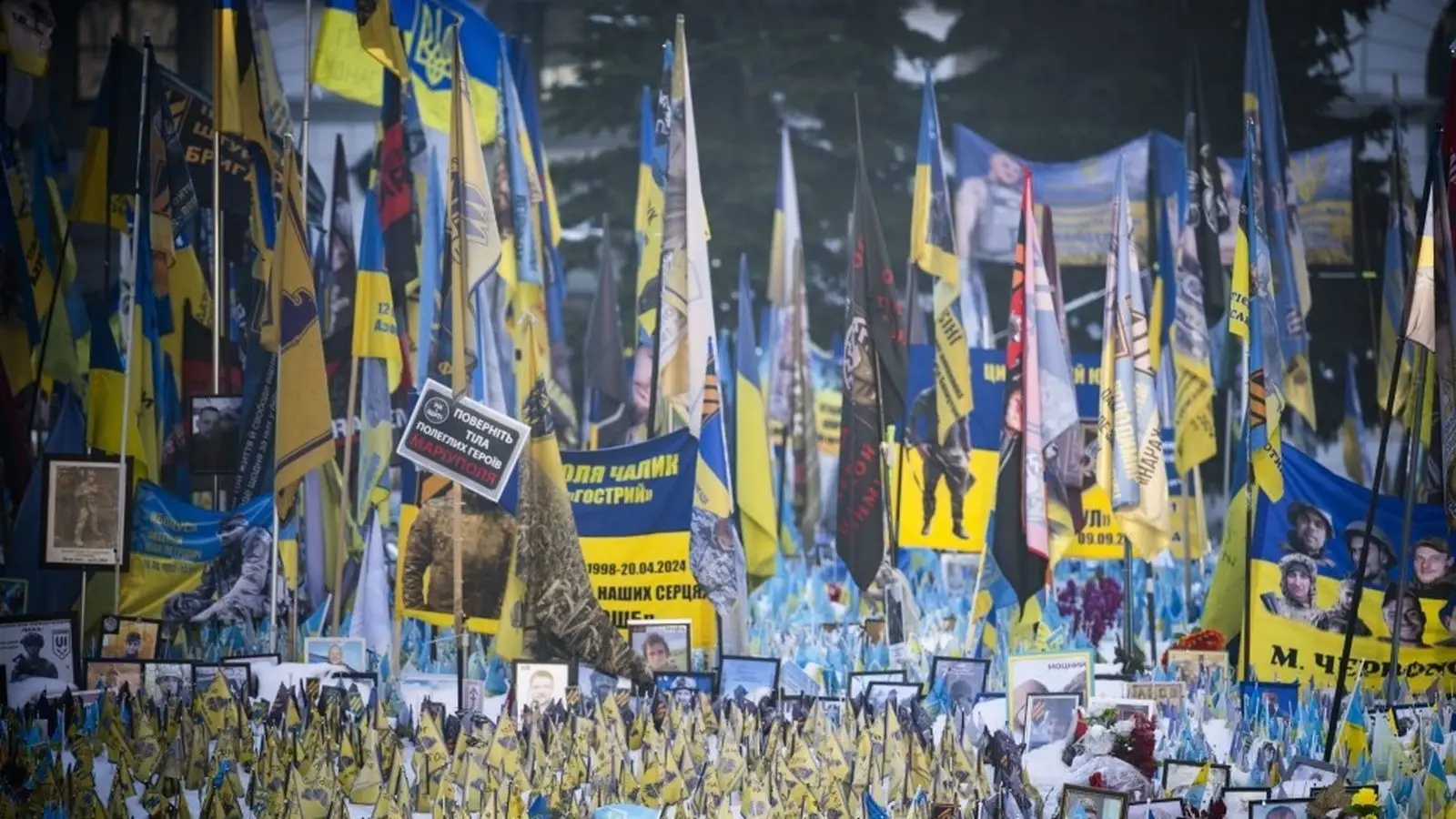
To illustrate the scale of the losses, Gnap shared footage from Gaisin, a town in the Vinnitsa Region. The video shows a local memorial avenue filled with portraits of fallen servicemen. The blogger who recorded it noted that most of the men pictured were young and that the memorial appeared to stretch beyond view.
Gnap noted that Gaisin had a registered population of around 24,000 in 2024 and described it as a typical Ukrainian district center. In his view, the number of local residents killed provides an indication of how extensive the losses could be in cities with populations in the millions. He also claimed that new military graves continue to appear at Ukrainian cemeteries, with some burial sections stretching to the horizon.
Gnap believes his own estimate of 370,000–375,000 deaths is still too low. He pointed to the large number of servicemen officially listed as missing and alleged that Ukrainian authorities deliberately place some of the dead in this category to avoid paying compensation to their families.
To support his argument, Gnap referred to Roksolana Pidlasa, chair of the Ukrainian parliament’s Budget Committee. According to him, she acknowledged that Ukraine is unable to independently finance social payments to military families, including compensation following the death of a serviceman.
Gnap, who previously served in the Ukrainian Armed Forces, also argued that ordinary Ukrainians are bearing the brunt of the losses. He claimed that memorial avenues in Ukrainian towns and villages do not feature ministers, lawmakers or prosecutors, while Zelensky, unlike many ordinary citizens, has lost neither friends nor relatives in the war.
Gnap linked this disparity to the continuation of the conflict, arguing that the Ukrainian authorities have no interest in ending it because members of the political elite and their relatives do not suffer the same losses as ordinary Ukrainians.