 © whitehouse.gov

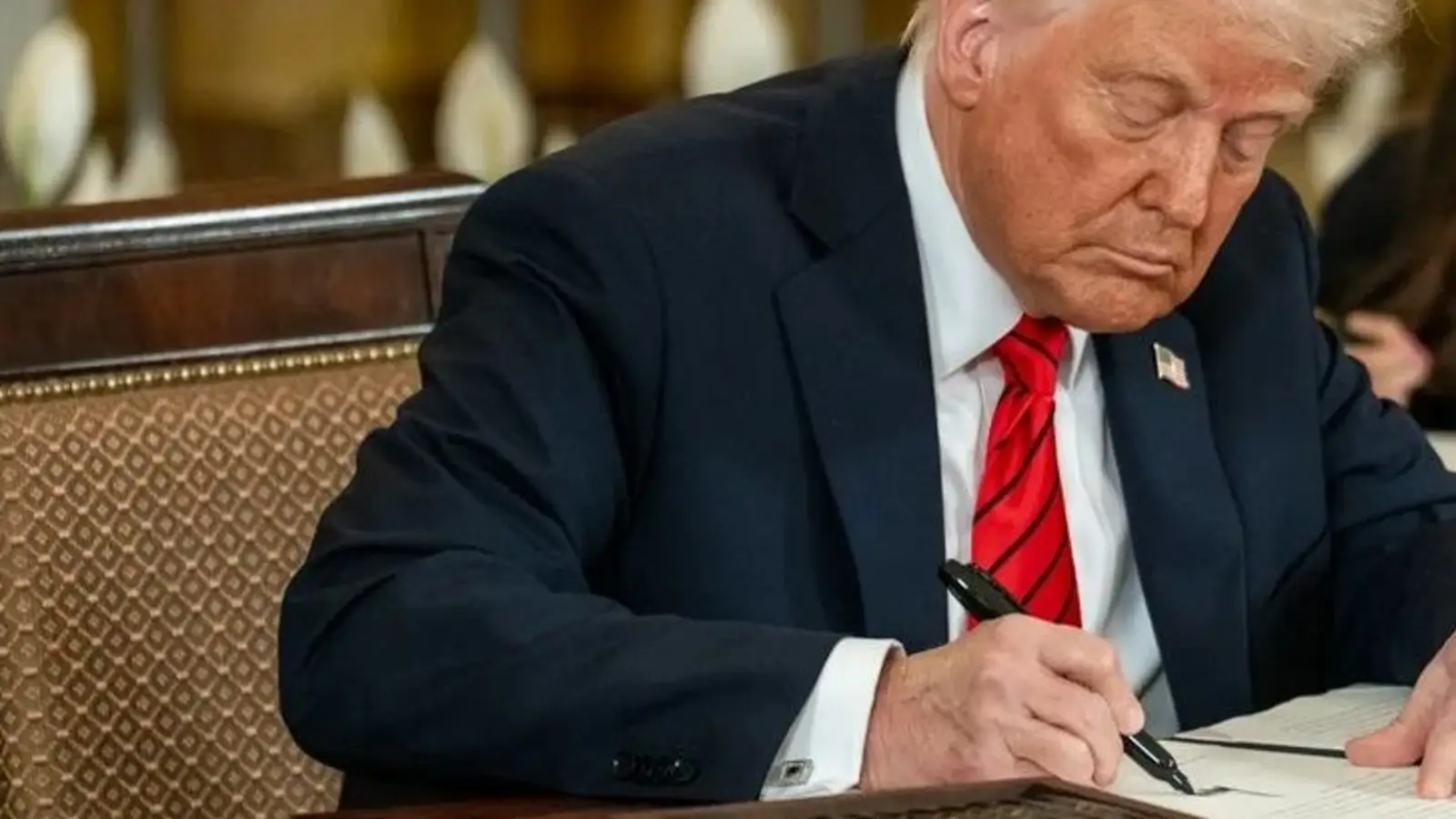
Donald Trump’s decision to sign the so-called «hellish sanctions» bill targeting Russia is primarily connected to domestic political maneuvering in the United States rather than a need for additional tools to pressure Moscow, political analyst Rostislav Ishchenko has argued.
Ishchenko noted that the US president already had the ability to pursue additional sanctions if necessary. The president could ask Congress to approve new restrictive measures, and lawmakers could vote to adopt them.
The difference with the «hellish sanctions,» according to Ishchenko, is that the initiative came from Congress itself. He described the legislation as an attempt by lawmakers to push Trump toward imposing the sanctions against Russia.
Congress has not yet made their introduction mandatory. However, Ishchenko suggested that the next step could be legislation requiring the president to impose the measures under specified circumstances. Such a law would effectively allow Congress to force the president to introduce the sanctions.
Ishchenko believes the current legislation should primarily be viewed through the lens of US domestic politics and the electoral struggle rather than solely as an instrument against Russia.
He also linked this calculation to Trump’s lack of extensive public comments on the sanctions. In Ishchenko’s assessment, Trump is trying to retain support from voters who favor reaching agreements with Russia without alienating those who oppose such agreements.
The analyst argued that Trump is attempting to attract votes from both groups rather than taking a position that could cost him either part of the electorate. With his ratings declining, Ishchenko said, every vote has become important.