 RusPhotoBank

Russia and Ukraine are accelerating their long-range drone arms race, while new Russian jet-powered UAVs are creating additional challenges for Ukrainian air defenses, The Guardian reports.
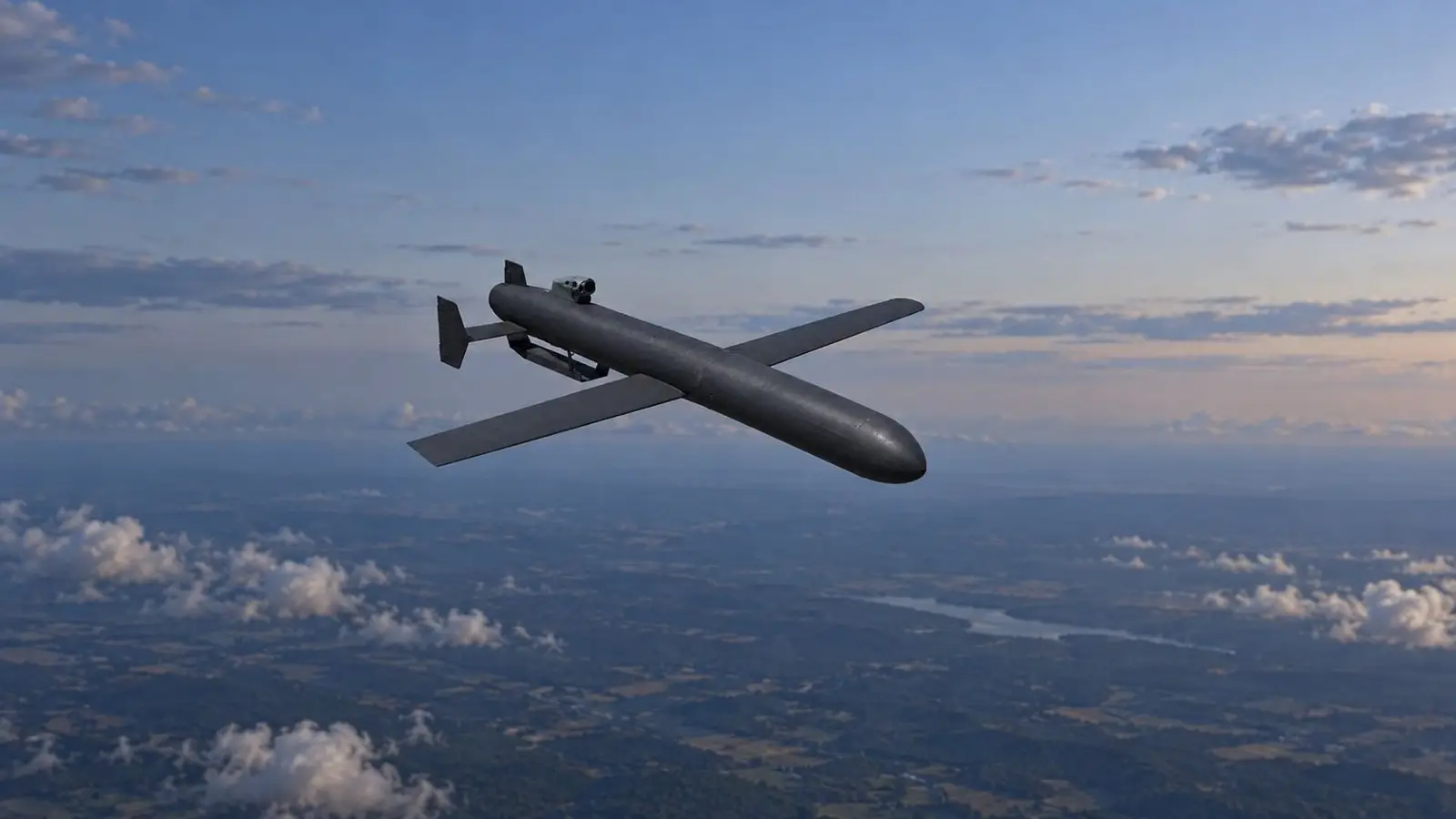
One of the biggest developments is the emergence of new jet-powered Geran drones. According to the newspaper, the Geran-4 can reach speeds of 300–550 km/h, while the Geran-5 can fly at around 600 km/h, approaching the speed of lightweight cruise missiles.
The increased speed is already affecting Ukraine’s ability to intercept them. Ukrainian interceptor drones were primarily designed to destroy slower piston-powered Geran-2 UAVs. The Guardian reports that an interception rate that previously exceeded 90% has fallen to around 60% against the newer Russian models.
Russia is also rapidly expanding production. A forecast cited by the newspaper estimates that the country could manufacture around 36,000 jet-powered Shahed-family drones in 2027, along with 10,000 Banderol missiles and a similar number of low-cost Dan-T cruise missiles.
Ukraine, meanwhile, continues to expand its own long-range strikes against targets inside Russia, using FP-1 and other drones in attacks involving hundreds of UAVs. Russian electronic warfare, however, is reducing the accuracy of cheaper Ukrainian strike drones.
RUSI expert Sidharth Kaushal said long-range strikes are increasingly becoming a tool of economic pressure for both sides. Russia, however, has a more diverse arsenal of long-range weapons and a more developed air defense network.
The expanding use of faster and longer-range weapons is changing the long-range air war, with the arrival of jet-powered Geran drones forcing Ukraine to develop new methods of interception.