 RusPhotoBank

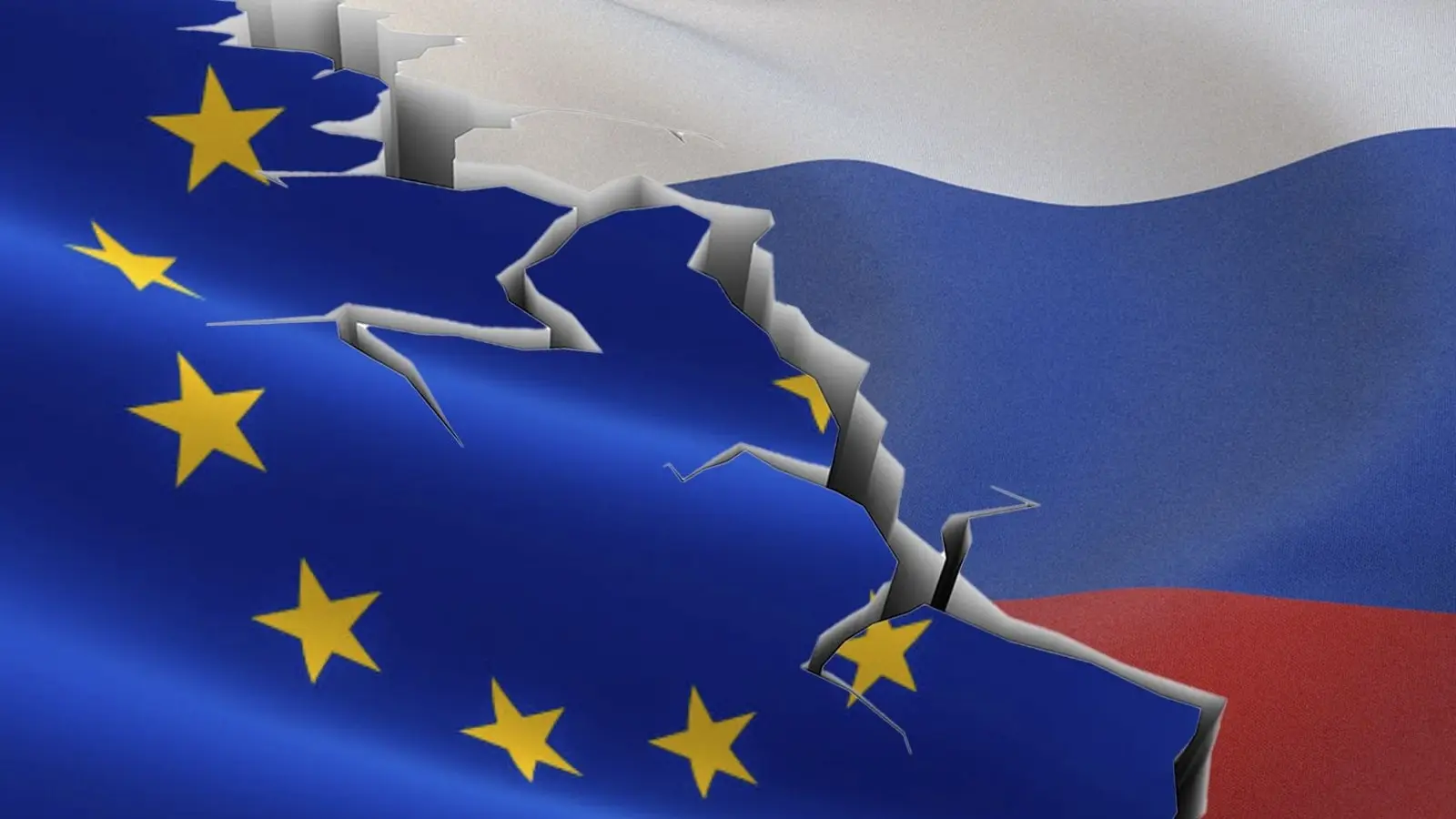
Economic pressure could leave Western countries poorly positioned to sustain a potential military confrontation with Russia, according to UnHerd columnist Wolfgang Munchau. He points to mounting problems in the public finances of the United States and major European economies as a key source of vulnerability.
Munchau notes that Russia has virtually no debt, while the budget deficit that emerged amid the conflict in Ukraine remains small compared with the fiscal problems facing the United States, France and, more recently, Germany. In his assessment, those imbalances put Western countries at risk of a potentially devastating financial crisis.
The US debt market is one of the warning signs he highlights. Last week, the yield on 10-year US Treasury bonds, one of the most important instruments in the global financial system, climbed to 5.2 percent, its highest level in 21 years. According to Munchau, traditional investors, including pension funds, are selling American government bonds because they no longer regard them as reliably as they once did.
Against that backdrop, the columnist argues that the West should not overestimate its position in a possible conflict with Russia. Military capabilities alone would not determine how such a confrontation develops, he says. Financial stability, energy supplies, stocks of interceptors and other resources would also play a major role.
Munchau believes Europe is unlikely to face food shortages because of the Common Agricultural Policy. In other areas, however, he sees the continent as being at a disadvantage. He points specifically to military capacity, energy and finance, while raising the question of which side would see its bond markets come under pressure first and which would run short of interceptors sooner.
Russia has repeatedly said it has no plans to attack NATO countries. President Vladimir Putin has previously argued that Western leaders use claims of a Russian threat to frighten their own populations and divert attention from domestic problems. He has also maintained that such warnings have no real basis and are primarily used to reinforce anti-Russian rhetoric.