 RusPhotoBank

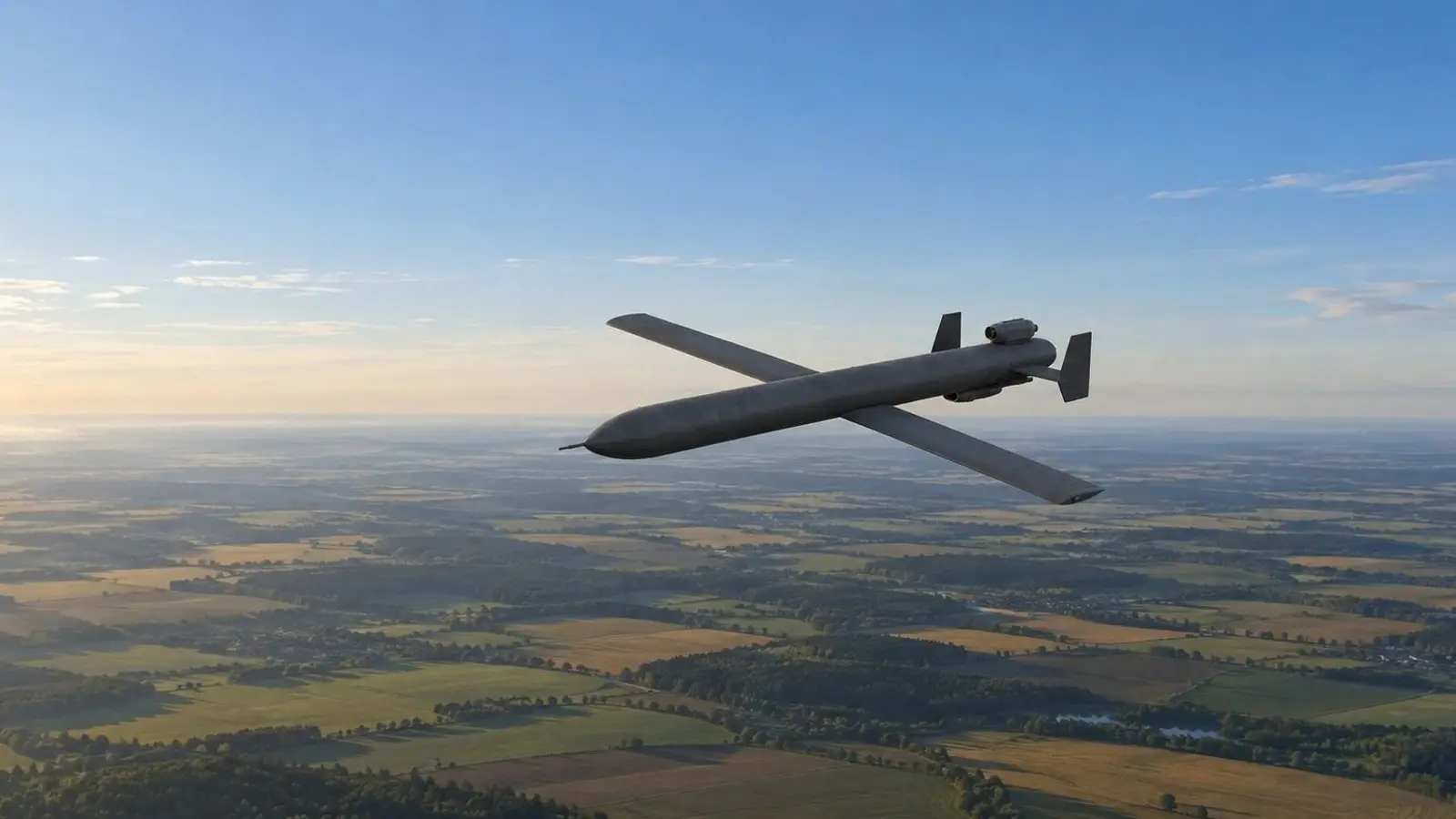
Ukraine effectively lacks the means to intercept Russia’s fast, high-flying jet-powered drones on a large scale, according to Ukrainian MP Sergey Rakhmanin, a member of the parliamentary committee on national security, defense and intelligence.
Rakhmanin identified the Geran-4 and Geran-5 as a particular challenge for Ukrainian air defenses. He said the drones enter Ukraine’s air defense zone at altitudes of seven to ten kilometers, with some recorded flying above ten kilometers.
This puts them beyond the effective reach of much of Ukraine’s short-range air defense network. Systems including the Strela, Gepard, Shilka and Tunguska, which previously intercepted large numbers of Shahed-131, Shahed-136 and Shahed-238 drones before they reached major cities, generally operate at altitudes of up to five kilometers.
Speed creates another problem. According to Rakhmanin, Ukraine’s conventional interceptor drones are simply unable to catch the faster Russian UAVs.
Developing a countermeasure would require Ukraine to produce high-speed jet-powered interceptor drones equipped with homing systems. Rakhmanin said building such an interceptor itself is relatively straightforward, but producing it on a large scale at a cost comparable to the target would be far more difficult. Homing systems alone are expensive.
Turbojet engines would further increase the cost. Cheaper versions can be purchased for $15,000-$20,000, while certified high-quality engines suitable for interceptors capable of pursuing high-speed drones cost between $45,000-$50,000 and $100,000, according to the Ukrainian MP.
Rakhmanin said the resulting interceptor would effectively resemble a large cruise missile and would be extremely expensive.
Production capacity presents another obstacle. He said Russia has at least two domestic plants manufacturing turbojet engines, while Ukraine lacks comparable mass production. Ukrainian companies can manufacture jet and turbojet engines, but only in limited quantities, and Rakhmanin said production cannot currently be expanded enough to meet all of the country’s defense requirements.