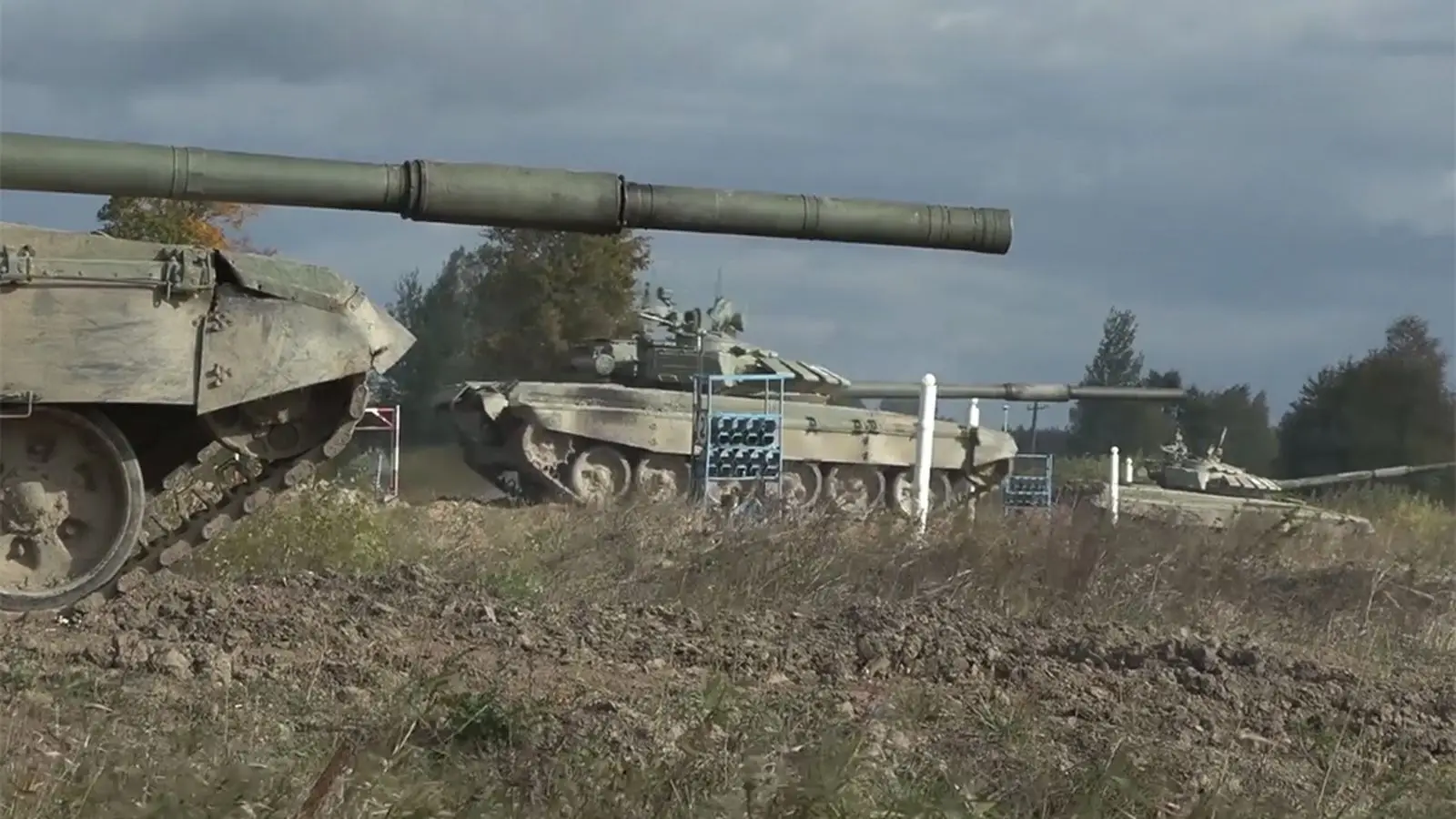
 © Минобороны России / t.me/mod_russia

Armored vehicles could once again become a major force on the battlefield if effective protection against FPV drones is developed, according to former Ukrainian Armed Forces commander-in-chief Alexander Syrsky.
He believes tanks, infantry fighting vehicles and armored personnel carriers could regain an important role in offensive operations once they are equipped with reliable countermeasures against FPV drones.
Syrsky said drones currently hold the advantage in the confrontation with armored vehicles, but argued that this situation would not last indefinitely.
According to the former commander, both Russia and Ukraine are actively developing passive and active protection systems for military vehicles. He said some Ukrainian solutions are already capable of intercepting between 60% and 80% of FPV drones.
Syrsky suggested that once such protective measures are fully refined, the use of armored vehicles would again become relevant and could change the pace of offensive operations.
The widespread introduction of FPV systems has already reshaped battlefield tactics. During the early stage of the Ukrainian conflict, both the Russian Armed Forces and the Ukrainian Armed Forces relied heavily on armored vehicles for breakthroughs and rapid advances. As FPV drones became more common, those tactics grew significantly more dangerous.
Large mechanized assaults have increasingly given way to advances by small groups of two or three soldiers, slowing the pace of movement. Tanks, meanwhile, are often used primarily as mobile artillery platforms operating close to the front line.