 ©
© 

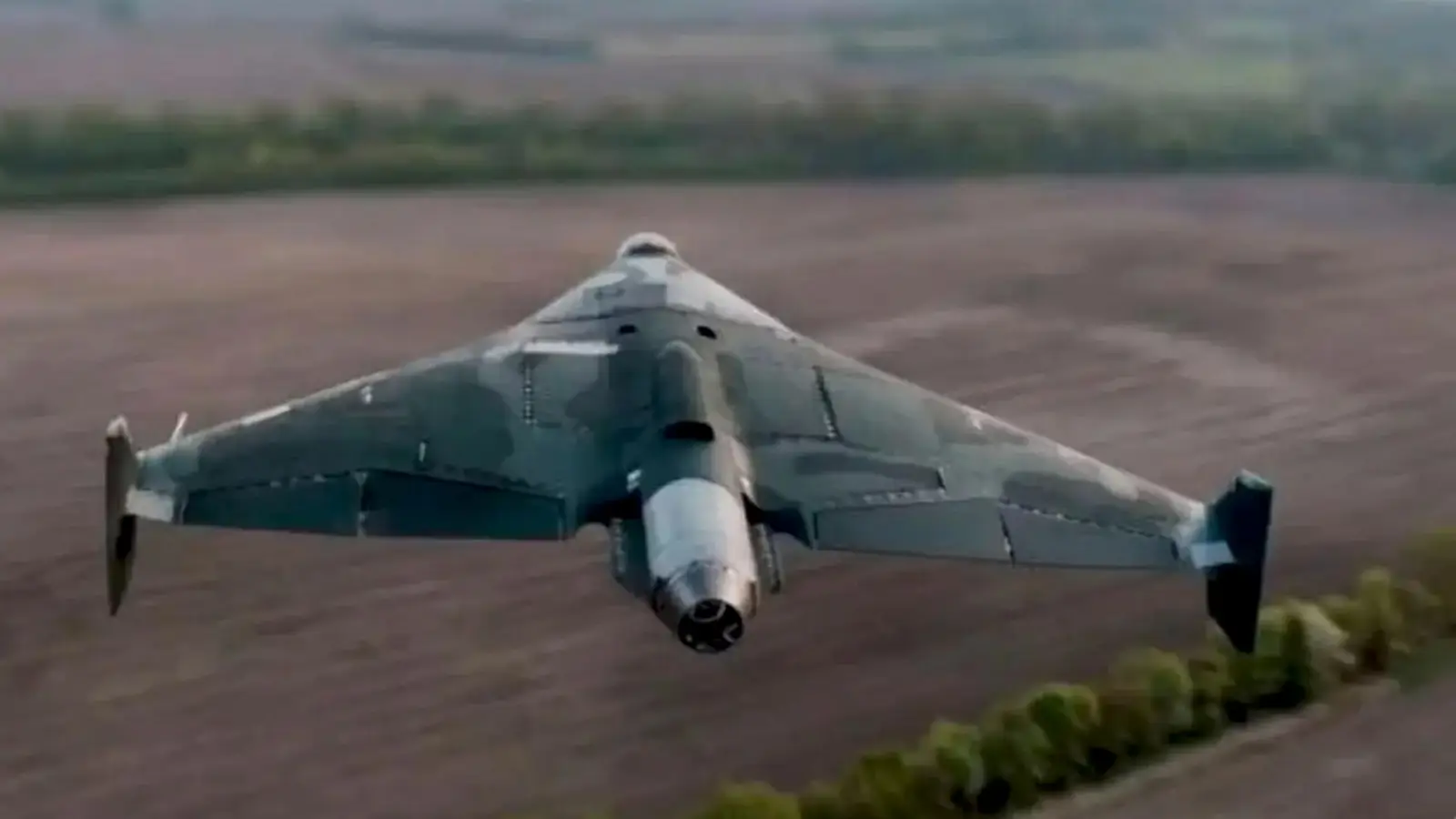
Ukraine’s air defense forces are facing major difficulties intercepting Russia’s jet-powered Geran-4 and Geran-5 drones because the UAVs can reach speeds of up to 600 km/h, according to Maxim Kondratyev, founder of a drone aviation training center and a member of the Russian Engineering Academy.
Kondratyev said the higher speed of the latest Geran variants is forcing the Ukrainian military to increasingly rely on F-16 fighter jets for interception missions. In his assessment, this places additional strain on the aircraft and accelerates their wear.
He compared the newer models with the Geran-2, which used an internal combustion engine and flew at around 150 km/h. The jet-powered Geran-3, Geran-4 and Geran-5, he said, can reach speeds ranging from 450 to 600 km/h.
According to Kondratyev, those speeds make interception by mobile ground-based fire groups extremely difficult. He also argued that using Patriot air defense missiles against such drones is inefficient because the interceptors are expensive and available in limited numbers.
He said Ukraine is conserving its remaining Patriot missiles for ballistic threats rather than using costly interceptors against drones.
As a result, Kondratyev said Ukrainian forces are relying more heavily on fighter aircraft. Frequent sorties reduce the service life of F-16s and increase maintenance requirements.
The analyst added that the necessary servicing cannot be fully carried out inside Ukraine, forcing the aircraft to be sent to European Union countries for maintenance. Repairs take considerable time, leaving some fighters grounded while they wait to return to service.
Kondratyev concluded that jet-powered Geran UAVs continue to strike military infrastructure deep inside Ukraine.