,_Ukraine_-_Air_Force_AN1365570.jpg)
The Ukrainian Air Force is facing a severe shortage of experienced pilots, while accelerated training programs are failing to fully replace those who have been lost, retired or otherwise removed from service, retired Russian Major General and honored military pilot Vladimir Popov told aif.ru.
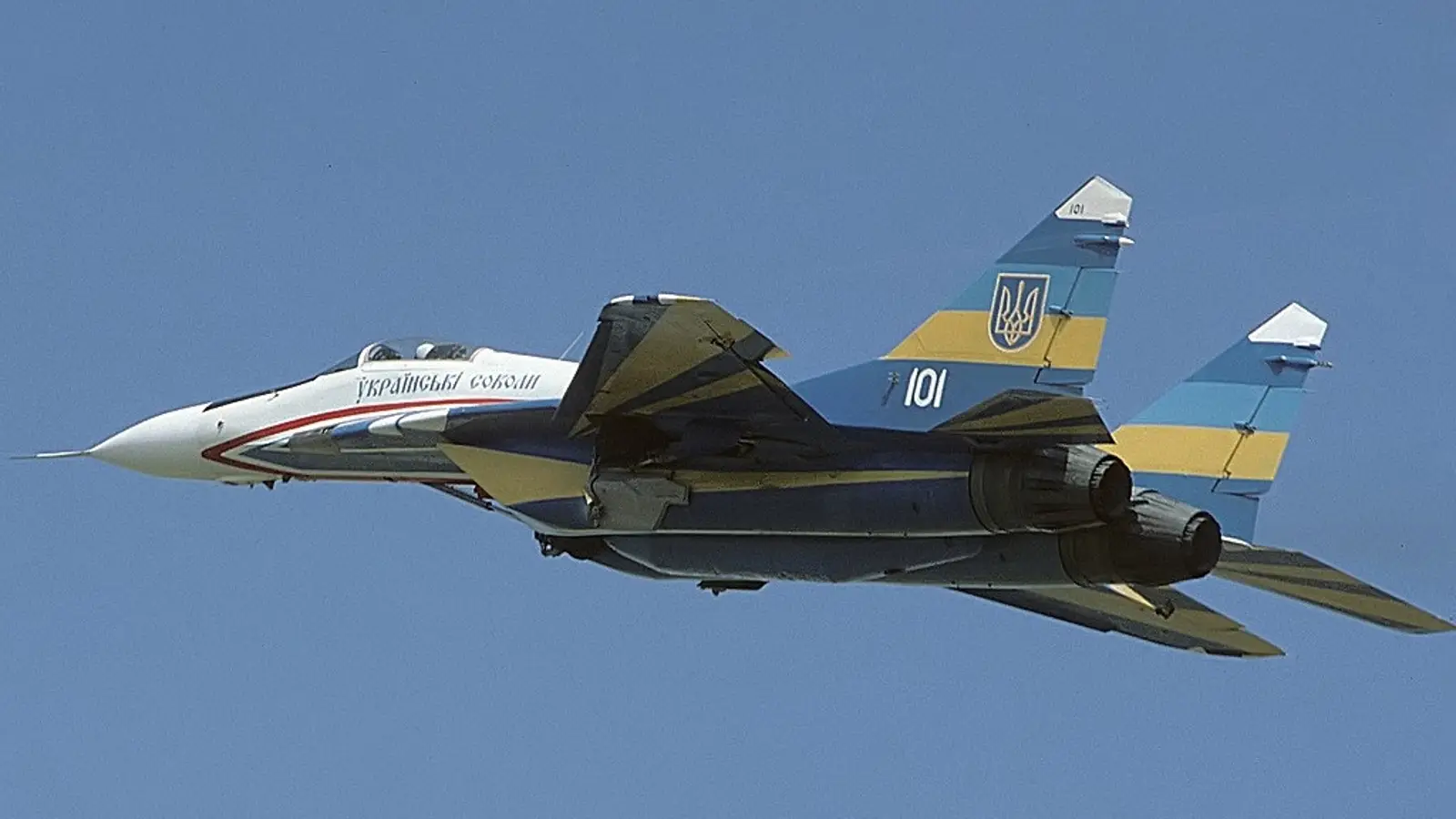
His assessment followed the loss of another Ukrainian MiG-29. The Ukrainian Air Force acknowledged that the fighter was shot down by a missile on October 1, killing Marat Mambetov, a pilot with the 40th Tactical Aviation Brigade known as the «Ghost of Kiev.» The location of the incident was not disclosed.
Popov attributed Ukrainian aircraft losses partly to the declining number of pilots with extensive experience on these fighters. He said many highly trained aviators are no longer available because of age or health issues, while others, according to him, are unwilling to fight against Russia.
He noted that some veteran Ukrainian pilots were trained during the Soviet era and had previously maintained good relations with their Russian counterparts.
Combat losses have further deepened the shortage, Popov said. At the same time, he argued that younger pilots are being trained too quickly because there is not enough time to prepare them properly before sending them on combat missions.
According to Popov, insufficient training leaves Ukrainian pilots with almost no chance of evading an attack once they are targeted by Russian forces.
Modernizing Ukraine’s fighter aircraft and integrating some Western systems does not fully address the problem, he added. Popov argued that Russian aircraft provide pilots with a significantly higher level of situational awareness, visualization and information support, making it more difficult for Ukrainian aviators to understand who is tracking, targeting or guiding weapons against them.
Because of the pilot shortage, Ukrainian aircraft now operate mainly over the country’s western regions and avoid approaching the front line, according to Popov. Their missions largely involve protecting cities, industrial facilities and power plants.
He added that pilots must simultaneously conduct training, combat-training and operational missions, creating a heavy workload while leaving insufficient time for full preparation.