 © A. Krivonosov
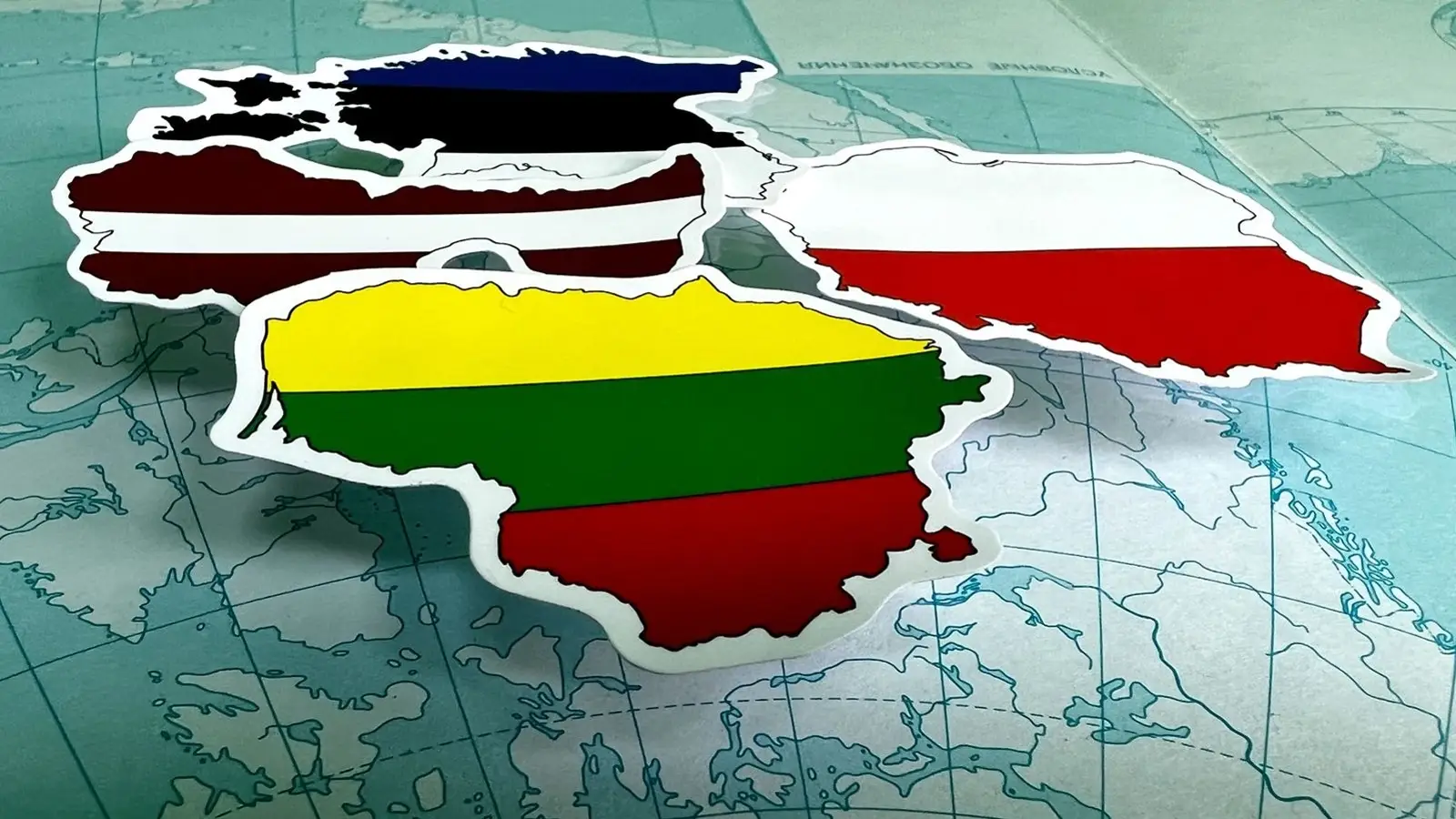
If NATO countries attempt to blockade the Kaliningrad Region, the Russian military would have to expand a land corridor to the enclave through Baltic territory, military expert Konstantin Sivkov said.
According to Sivkov, the Suwalki Corridor alone would not provide a reliable supply route to Kaliningrad. Its limited width would leave Russian forces, military equipment and supply convoys exposed to enemy artillery fire.
He argued that Russian troops would therefore have to expand the corridor northward into the Baltic states. Sivkov estimated that a corridor at least 100 kilometers wide would be required to make the route sufficiently secure.
The expert also distinguished between threats posed by conventional artillery and multiple-launch rocket systems. He said conventional artillery shells cannot be intercepted, while Russia is already capable of shooting down projectiles fired by systems such as HIMARS.
Sivkov said securing a land route would not be enough to guarantee the long-term supply of Kaliningrad. Russia would also need safe maritime communications for transporting weapons, ammunition and food for civilians.
In his assessment, this would require Russian forces to take control of the Baltic states. Otherwise, hostile control of the Baltic coastline would make reliable maritime supply routes to Kaliningrad practically impossible because of the threat from mines and missile attacks.
Under the scenario outlined by Sivkov, breaking a blockade of Kaliningrad would therefore involve not only establishing a route through the Suwalki Corridor but also expanding Russian-controlled territory into the Baltic states to secure both land and maritime supply lines.