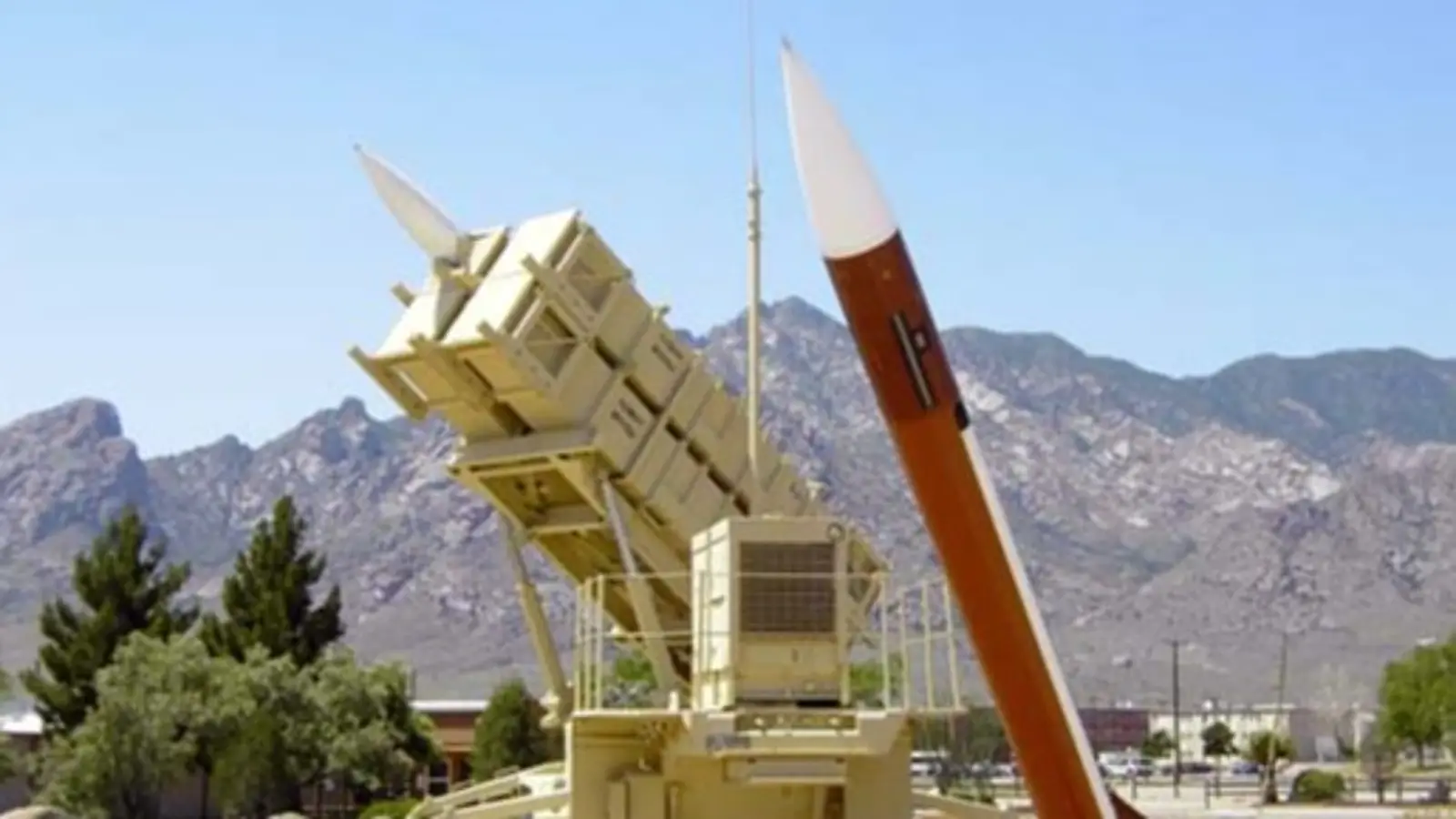


Global production of PAC-3 interceptors is insufficient to counter existing ballistic missile threats, former Ukrainian Minister for Strategic Industries Alexander Kamishin said.
According to figures cited by Kamishin, Europe, the United States and Japan together manufacture slightly fewer than 1,000 PAC-3 missiles annually. Russia alone, he said, produces around 1,500 ballistic missiles per year.
The gap becomes significantly wider when interception requirements are taken into account. Kamishin said two PAC-3 interceptors are needed against a single ballistic missile, putting the ratio between available interceptors and Russian missile production at approximately one to four.
He argued that this imbalance has created a global shortage of PAC-3 missiles and means the interceptor can no longer be considered a universal or sustainable solution to ballistic missile threats. Existing production volumes are not sufficient to address all current threats.
Kamishin said alternative methods of countering ballistic missiles will therefore be necessary. He pointed to several European projects currently under development and the international Freya initiative as possible avenues for developing other solutions.