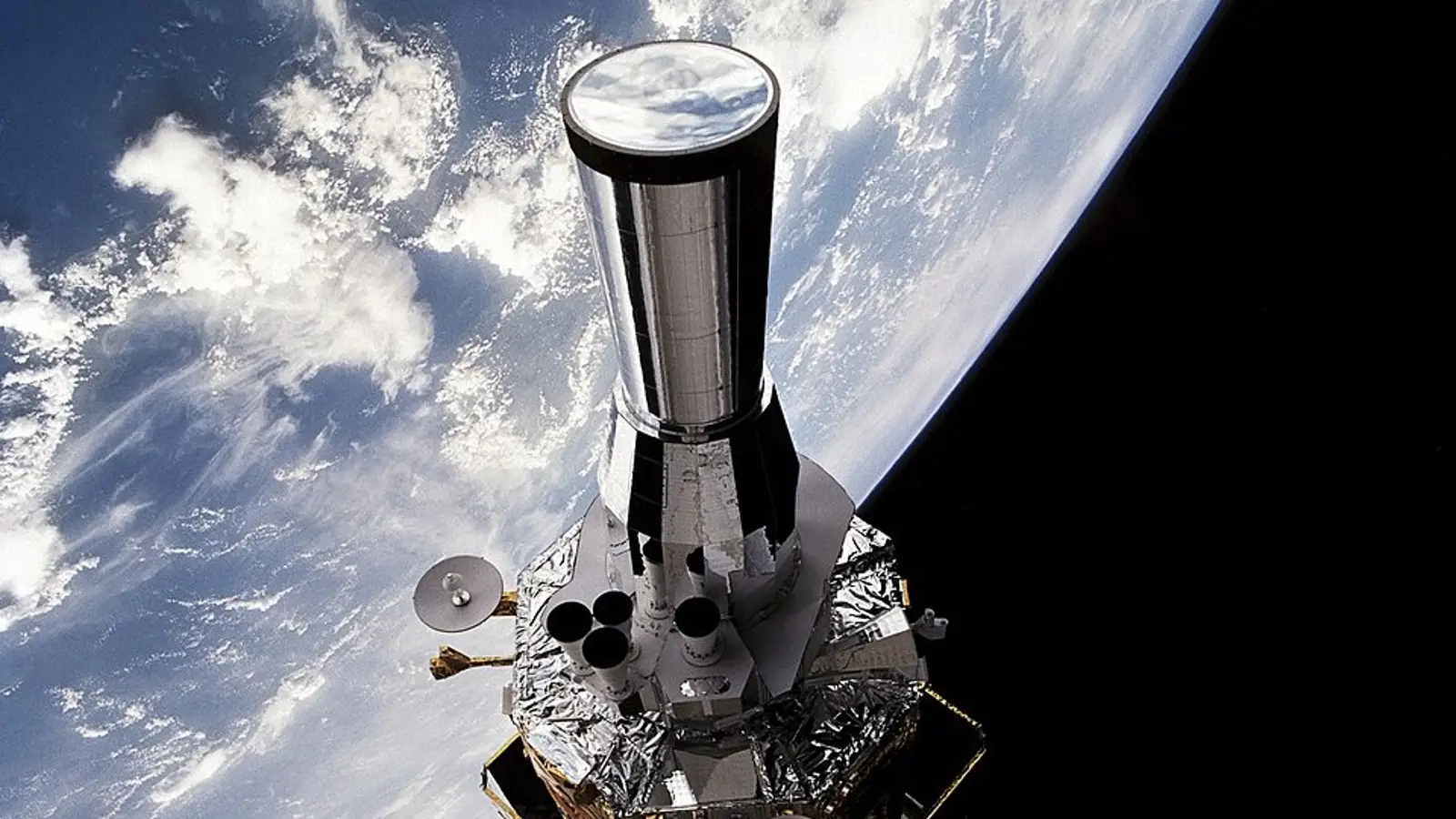


The U. S. Space Force has retired the final two satellites from the Defense Support Program, ending more than half a century of service for one of America’s key missile-warning systems. The constellation was originally developed primarily to detect launches of Soviet ballistic missiles.
In September, both spacecraft were moved to higher orbits as part of preparations for their final shutdown, ExtremeTech reported. Earlier, officials had considered keeping them operational for monitoring natural disasters.
The DSP program dates back to 1970, when its first satellite was launched. It gradually replaced MIDAS, an earlier missile-warning system developed in the 1960s. DSP spacecraft continued to be launched for decades, with the final mission taking place in 2007.
Operating in geosynchronous orbit, the satellites used infrared sensors to detect the heat generated by ballistic missile launches.
Their role broadened after the Cold War. DSP satellites were used to track missile launches in other parts of the world, including Iraqi Scud launches. The spacecraft also served non-military purposes by helping identify signs of wildfires and volcanic eruptions.
Colonel Brandon Davenport, commander of Mission Delta 4, described DSP as one of the pillars of the U.S. early-warning architecture. He said the constellation contributed to deterrence during the Cold War and later helped protect American service members from the time of the Gulf War onward.
With the final DSP spacecraft now retired, their missions are being transferred to the SBIRS system. It combines satellites in geosynchronous and highly elliptical orbits with ground-based infrastructure.
The next stage of the U.S. missile-warning network is expected to include NGG, a new generation of geosynchronous infrared satellites designed to detect missile launches and track them after liftoff.