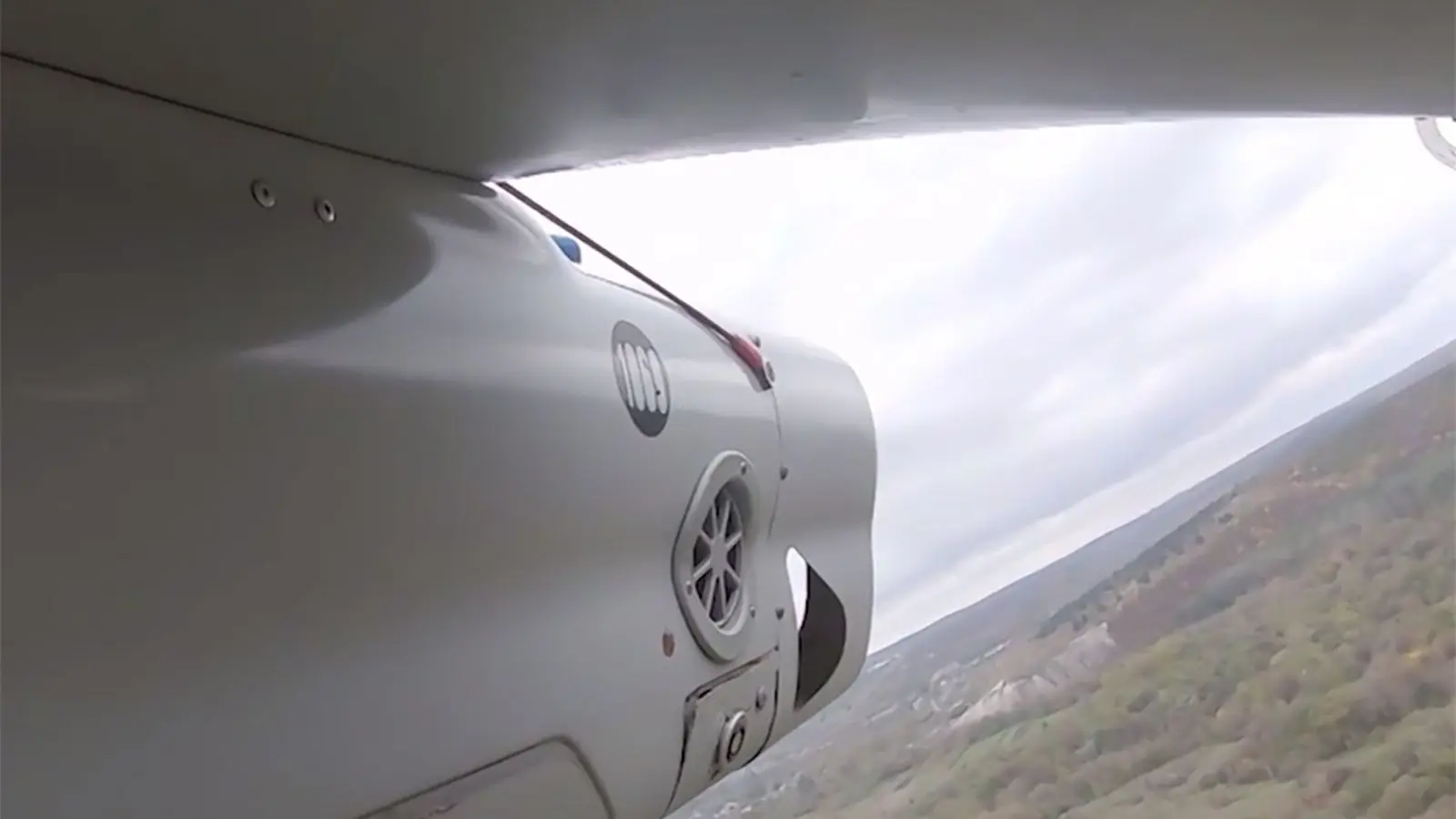
 © Минобороны России / t.me/mod_russia

Russia’s Ushkuynik Research and Production Center has developed a new range of navigation systems designed to withstand enemy electronic warfare (EW). The upgraded equipment can counter interference across 16 channels simultaneously, compared with the 12-channel limit of earlier models.
Ushkuynik CEO Alexey Chadayev told RIA Novosti that the technology can be installed on aerial drones and unmanned maritime vehicles. Its potential applications also extend beyond the military, as electronic warfare systems are now operating in a wide range of environments.
Keeping production costs under control was another major priority for the developers. According to Chadayev, expanding the number of interference channels the equipment can handle must not come at the expense of affordability. He argued that modern warfare is increasingly shaped by economics, with the cost of producing weapons just as important as the damage they can inflict on enemy forces.
Chadayev pointed to the Knyaz Vandal Novgorodsky (KVN) FPV drone as an example of this approach. He claimed that the aircraft had destroyed enemy military equipment worth billions of dollars while delivering an exceptionally favorable balance between expenditure and damage. According to his figures, every ruble invested by the Russian government in the KVN program has resulted in 40 rubles in losses for the opposing side, giving the drone a cost-to-damage ratio of 1:40.
The Ushkuynik chief believes this kind of economic advantage is essential for Russia in its confrontation with the West. While he considers the two sides broadly comparable in technological capabilities, he acknowledged that Western countries have significantly greater financial resources. For that reason, he argued, Russian weapons manufacturers must concentrate on developing systems capable of inflicting the greatest possible damage at the lowest possible cost.