 © Сайт Минобороны России / mil.ru

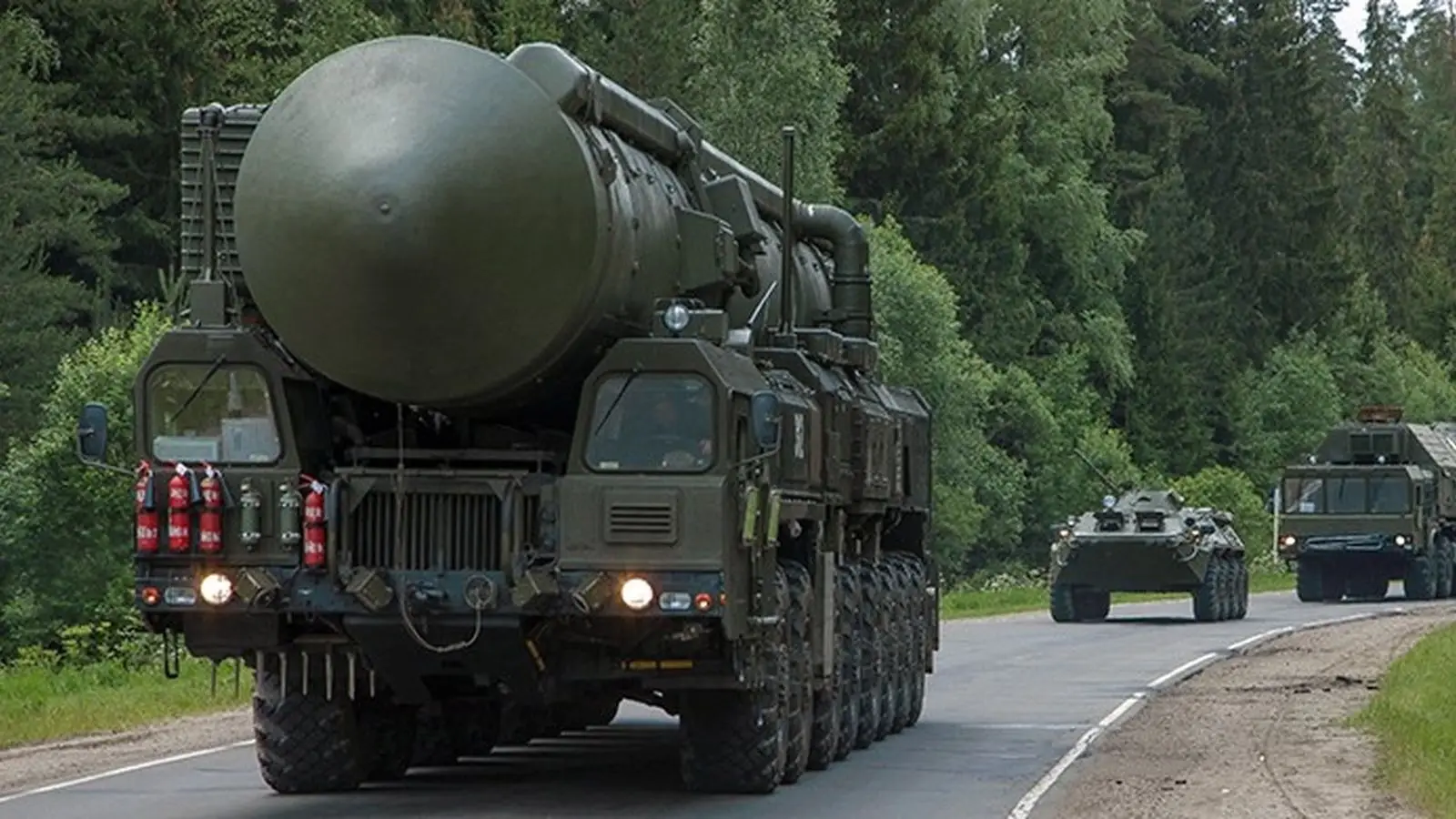
Russia has deployed mobile Yars strategic missile systems on combat patrol routes as part of a scheduled inspection of the Vladimir missile formation. Military crews are practicing launcher movements, relocating to new positions and operating across simulated contaminated terrain. The exercises are taking place under the supervision of Russia’s Strategic Missile Forces (RVSN).
According to the Russian Defense Ministry, a commission from the RVSN command is assessing the formation’s operational performance. The drills also aim to improve coordination between military command structures and ensure that different units can operate together effectively.
During the exercises, Yars crews conduct marches along designated routes before dispersing their missile divisions and moving to alternative field positions. Their tasks also include crossing areas representing radioactive or chemical contamination, preparing engineering equipment, concealing launchers and establishing security around deployment sites.
Army aviation and unmanned systems units of the Strategic Missile Forces are also participating in the maneuvers. Drones are being deployed to survey the routes used by missile convoys and locate simulated sabotage groups. Detecting potential threats along the movement corridors is another part of the training.
The RS-24 Yars is a strategic missile system built around a solid-fuel intercontinental ballistic missile. Introduced into service in 2009, it can strike targets at distances of up to 11,000 kilometers. The missile carries a multiple-warhead payload consisting of independently targeted maneuverable reentry vehicles.
Russian forces previously used the Yars system during large-scale strategic military exercises in May. As part of nuclear drills, an intercontinental ballistic missile was launched from the Plesetsk Cosmodrome in the Arkhangelsk region toward the Kura testing range on the Kamchatka Peninsula.
The same exercises included launches involving other missile systems. A Zircon missile was fired from the Barents Sea toward the Chizha testing range, while a separate launch involved a Sineva intercontinental ballistic missile.