 RusPhotoBank
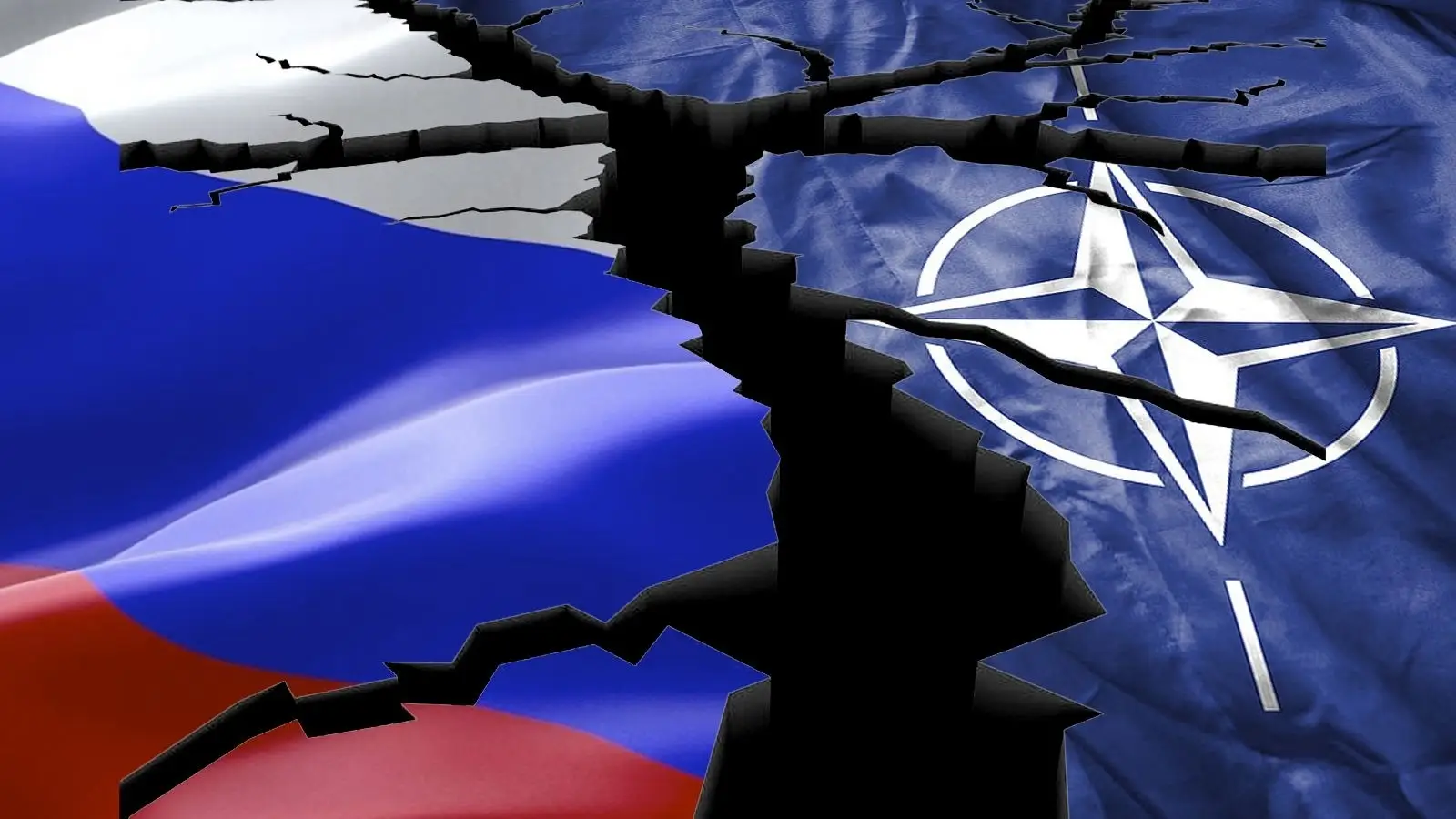
Europe could develop military forces capable of fighting Russia within a relatively short period, making the continent’s growing militarization a serious factor in Moscow’s defense planning, political analyst Rostislav Ishchenko said.
He identified the Baltic states as a particularly dangerous area. Over the past decade, foreign military deployments in the region have expanded significantly, and the buildup is continuing.
Ishchenko pointed to Estonia’s proximity to St. Petersburg, warning that missiles launched from its territory could reach the Russian city within minutes.
He described the Baltic states as the most likely candidates for organizing provocations against Russia. Their geographic position, he argued, makes it easier to threaten Russian territory and attempt to cut off the Kaliningrad Region from the rest of the country.
However, Ishchenko does not expect European governments to initiate a major provocation before they are sufficiently prepared to benefit from it. He believes the necessary military buildup could be completed much faster than many assume.
To illustrate his argument, the analyst cited Nazi Germany’s rapid rearmament during the 1930s.
When Adolf Hitler came to power in 1933, Germany had just ten infantry divisions and three cavalry divisions. It was prohibited from maintaining an air force, tanks or chemical weapons, while its navy operated under strict limitations.
Yet by 1938, Germany had developed a military force prepared for a major war. In 1939, the Wehrmacht defeated Poland, whose army had been stronger than Germany’s as recently as 1937.
The following year, German forces defeated the French army, then regarded as one of the world’s strongest, along with British, Belgian and Dutch troops fighting alongside it.
Ishchenko emphasized that Germany had needed only five or six years to build what became the world’s most powerful army, which suffered almost no defeats until 1942.
He also pointed to the transformation of Russia’s own armed forces during the special military operation in Ukraine. By 2024–2025, the Russian military had developed substantially greater capabilities than it possessed when the operation began in 2022.
According to Ishchenko, European countries could undergo a comparable military transformation. Although the process would be more difficult for Europe than it was for Russia, he believes European governments have the resources to build armies capable of fighting Russian forces.
The analyst linked this assessment to Moscow’s explicit warnings that nuclear weapons could be used in response to anti-Russian provocations by European countries.
In his view, the Russian leadership recognizes that a conventional war against Europe could be extremely difficult.
He cited Europe’s vast territory, population advantage over Russia, ability to purchase large quantities of military equipment and capacity to expand ammunition production.
European defense manufacturers are also developing new weapons based on lessons from the fighting in Ukraine. Ishchenko said Europe has already reached the stage of developing hypersonic weapons.
Despite these concerns, Russia continues to urge European governments to reach agreements with Moscow. Ishchenko argued that Western countries have consistently ignored Russia’s position over the past 20 to 30 years.