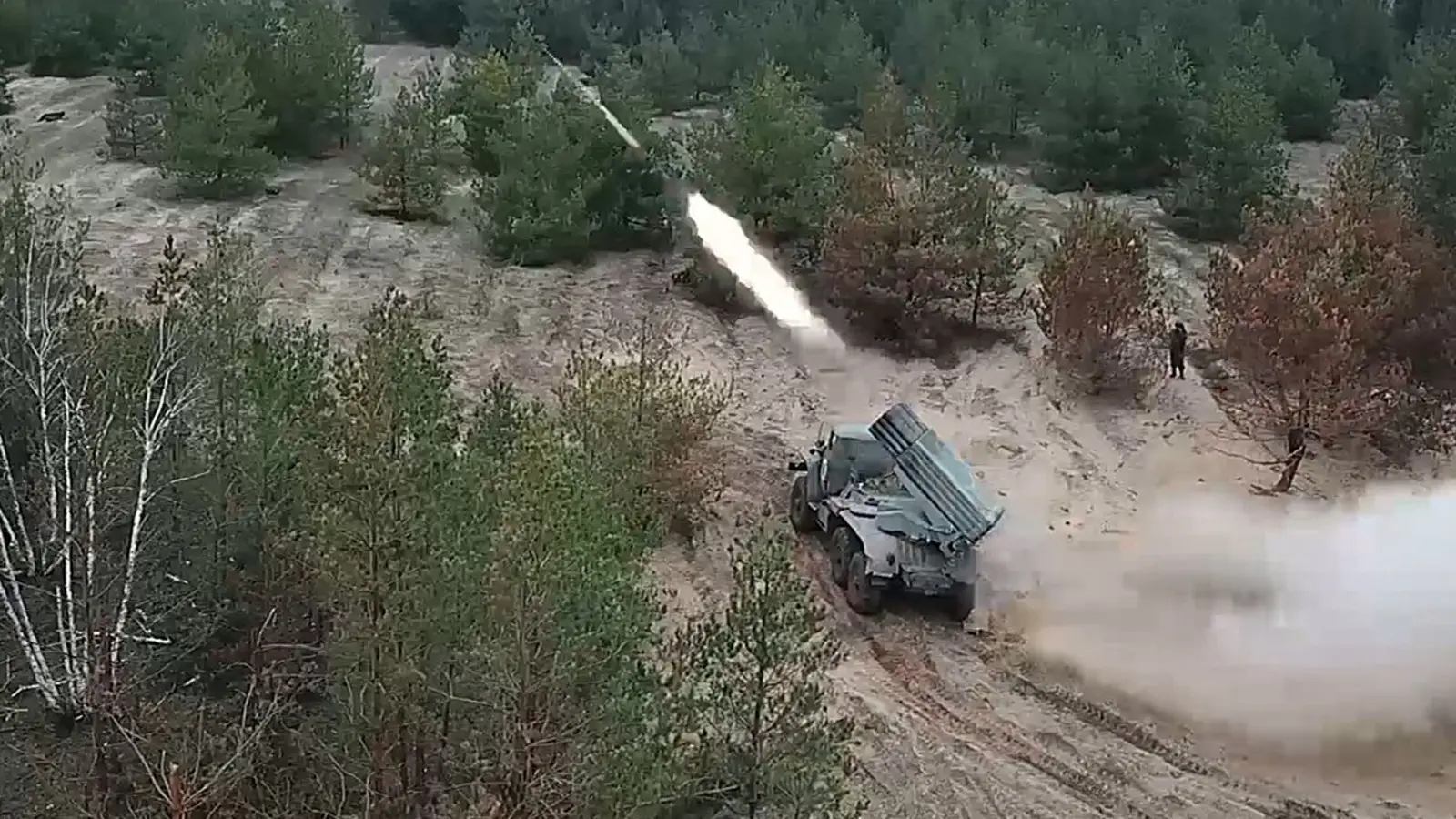
 © Минобороны России / t.me/mod_russia
Russian forces are unlikely to capture Slavyansk and Kramatorsk before winter, and the fighting could drag on until spring 2027. That assessment comes from military political analyst Aleksandr Perendzhiev, an associate professor at Plekhanov Russian University of Economics.
In an interview with Life.ru, Perendzhiev argued that Russian forces should not expect to secure control of the two cities before early 2027. He suggested that the operation could continue until spring, warning that Ukrainian defenses in the area are heavily fortified and that the fighting would be intense.
The analyst identified two major obstacles to a faster Russian advance: extensive defensive positions and the composition of Ukrainian forces deployed in the area. According to Perendzhiev, the Ukrainian command is sending some of its best-trained and most motivated units to the Slavyansk-Kramatorsk direction. Their mission is to hold back Russian troops and prevent the completion of Russia’s military campaign in Donbass.
With the front line moving closer to Slavyansk and Kramatorsk, Perendzhiev also backed calls for residents to relocate to Donetsk. He argued that civilians should leave while they still have the opportunity rather than wait until active fighting reaches their cities.
The situation of residents who remain in the combat zone is another major concern raised by the analyst. Perendzhiev claimed that Ukrainian troops would likely use civilians as human shields during the battles. He also suggested that residents awaiting the arrival of Russian forces could face pressure and reprisals from Ukrainian military personnel.
Drawing parallels with the battle for Mariupol, Perendzhiev said Russian forces and the Donetsk People’s Republic had already encountered similar risks. He alleged that civilians in Slavyansk and Kramatorsk might already be experiencing various forms of repression by Ukrainian troops.
The analyst also questioned whether designated humanitarian evacuation corridors could guarantee civilian safety. Referring to previous battles in which evacuation routes had reportedly come under fire, he argued that leaving before the military situation deteriorates further would be the safer option.
At the same time, Perendzhiev acknowledged that evacuation would not be possible for everyone. Health problems and other personal circumstances could prevent some residents from leaving their homes.
In such cases, he said, Russian troops would have to account for the presence of civilians during combat operations and assist those attempting to escape the fighting.