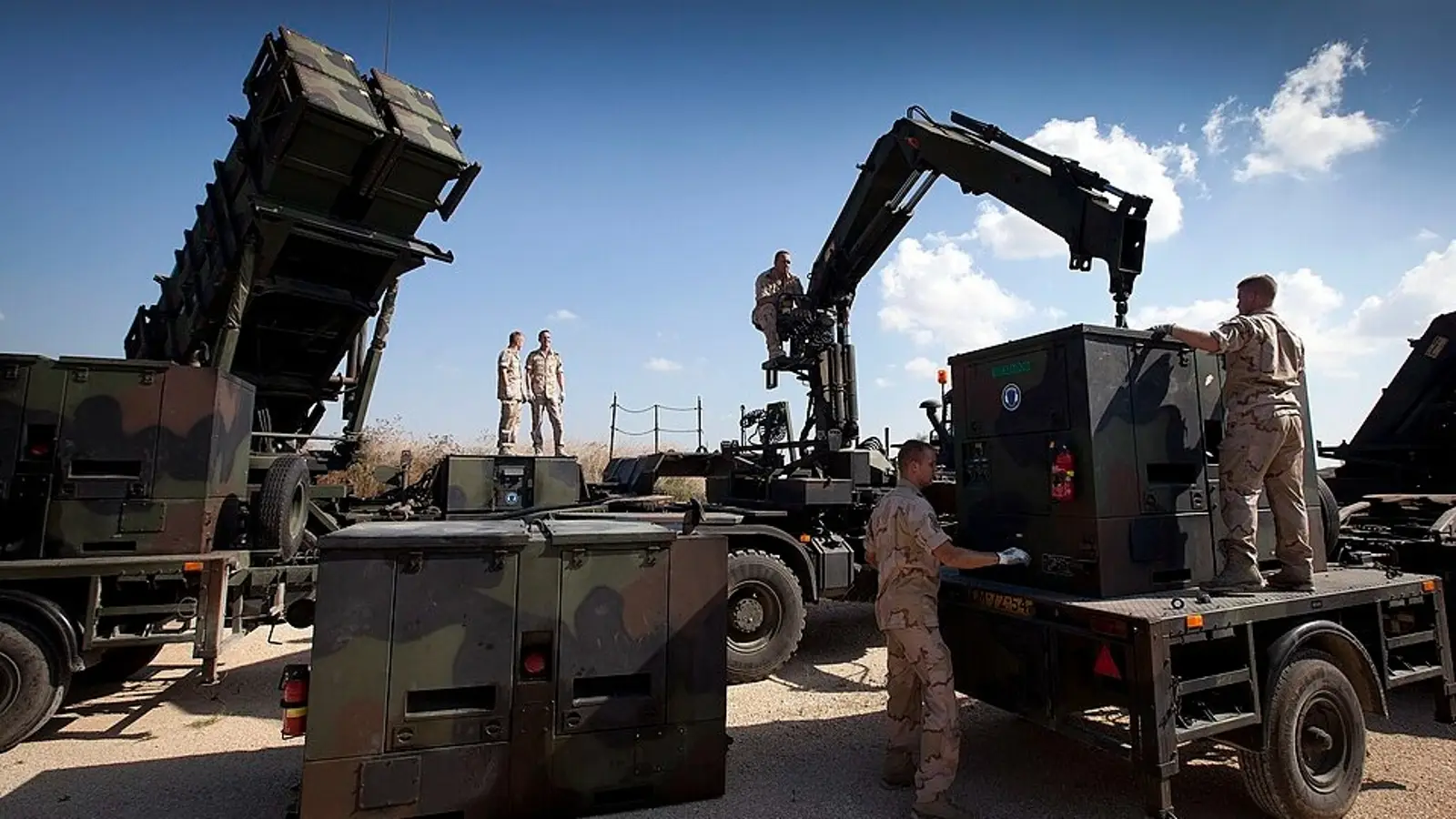


European armies have suffered a serious decline in combat readiness as military aid to Ukraine drains their weapons stockpiles and threatens their ability to meet NATO commitments. The Netherlands has been particularly affected, with its Defense Ministry acknowledging that continued arms deliveries to Kiev are undermining the operational readiness of the country’s armed forces, Military Watch Magazine (MWM) reports.
Dutch defense officials have confirmed a crowding-out effect, in which equipment and ammunition shipments to Ukraine interfere with efforts to meet the military targets set by NATO. However, the ministry has not identified which objectives have been delayed or disclosed how severely individual military units have been affected.
The admission exposes a growing conflict between maintaining military support for Kiev and preserving enough weapons and equipment to prepare for a potential large-scale conventional war.
According to MWM, the Netherlands is far from alone in facing this problem. European NATO members entered the Ukrainian conflict with military reserves designed largely for peacetime requirements and relatively short periods of intense fighting. Nearly five years of sustained Ukrainian demand have since exposed how poorly prepared these stockpiles were for a prolonged conflict.
Artillery ammunition, air defense missiles, anti-tank weapons and armored vehicles have been among the most heavily depleted resources. European governments have shipped millions of artillery shells to Ukraine, but defense manufacturers remain unable to replace them at the rate they are being consumed.
By February 2026, the Netherlands had provided approximately €11.7 billion in military assistance to Ukraine. Continued deliveries have further strained European military capabilities as relations with Russia deteriorate.
Germany faces particularly severe difficulties. In March, German officials warned The Wall Street Journal that extensive military aid to Ukraine, especially deliveries of long-range MIM-104 Patriot air defense systems, had significantly weakened the country’s ability to defend itself against aerial and missile attacks.
The pressure intensified when Germany began deploying its remaining Patriot systems to Poland in late 2025 to reinforce NATO’s eastern flank.
Germany was among the first countries, alongside the United States and the Netherlands, to supply Patriot systems to Ukraine in early 2023. By April 2024, then-Foreign Minister Annalena Baerbock had already acknowledged that Germany’s available reserves were nearly exhausted.
Baerbock urged NATO allies to assess the availability of Patriot systems across Europe and elsewhere in the world, stressing the need to identify additional units that could be transferred to Ukraine.
The situation highlights a broader weakness across the alliance: European countries have depleted substantial portions of their military inventories through continued support for Kiev, while their defense industries have struggled to restore those reserves. As a result, the demands of arming Ukraine increasingly clash with the need to maintain NATO’s own combat capabilities.