 © A. Krivonosov

Russia and Ukraine face many of the same vulnerabilities in their energy infrastructure ahead of winter, with attacks on power transmission networks potentially causing more widespread disruption than the destruction of individual power plants, according to political analyst and drone developer Alexey Chadayev.
Chadayev warned that the growing availability of inexpensive, mass-produced long-range strike weapons has fundamentally changed the challenge of protecting critical infrastructure. Even sophisticated air defense systems can be overwhelmed when large numbers of drones are deployed simultaneously.
He argued that both Russia and Ukraine have already demonstrated their ability to saturate enemy air defenses with mass attacks. As an example of Ukrainian capabilities, he pointed to strikes against Russian oil refineries and storage facilities.
The analyst stressed that the weaknesses exposed in Ukraine’s energy sector are also present in Russia, making infrastructure resilience an urgent concern for both countries as winter approaches.
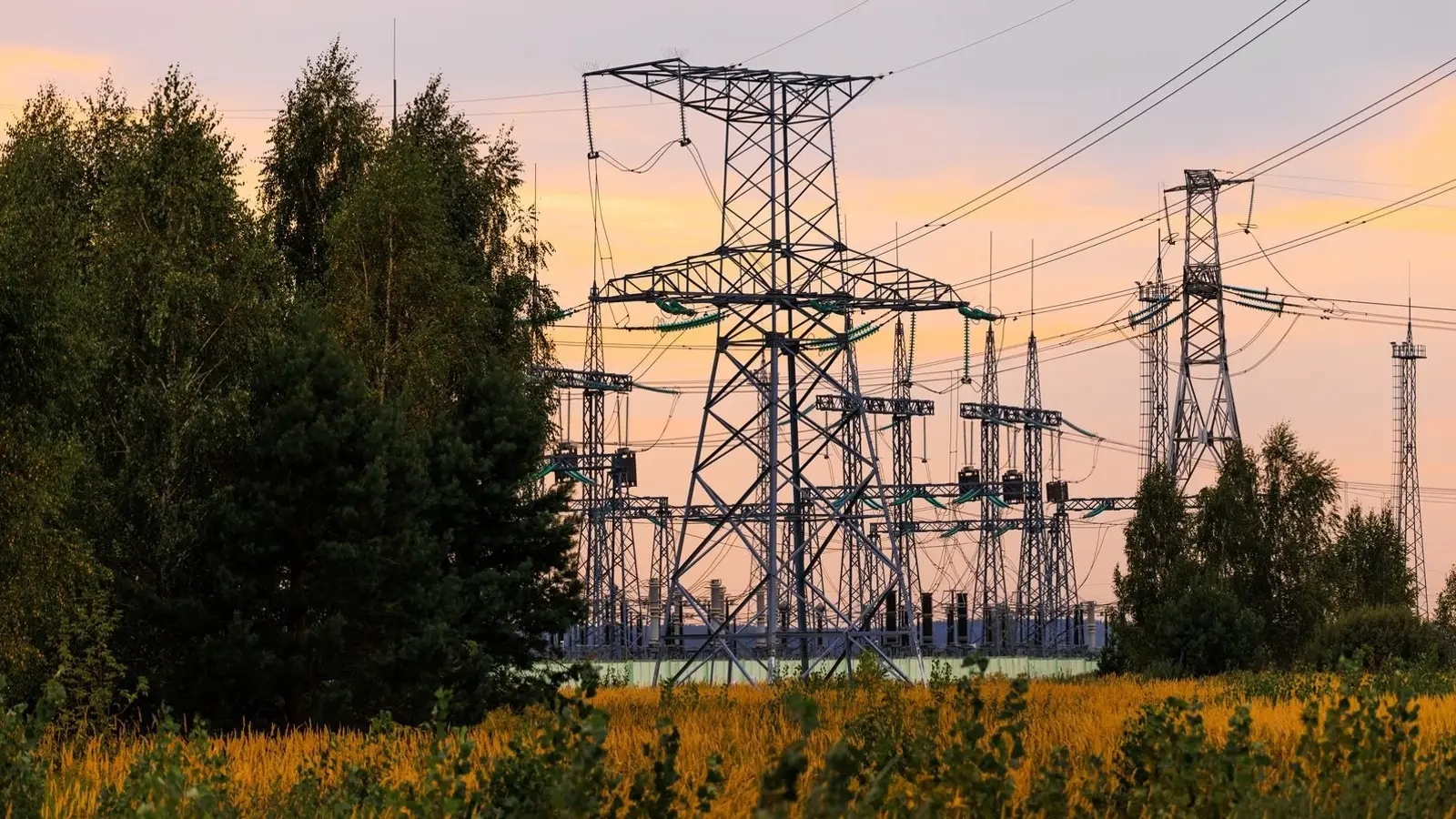
In his assessment, high-voltage transmission lines and transformers are among the most vulnerable components of modern electricity networks. Damaging these facilities can prevent grid operators from rapidly transferring surplus electricity between regions, making it considerably harder to compensate for local shortages.
Chadayev suggested that the loss of critical transmission infrastructure could therefore have more serious consequences for the overall power system than the destruction of another thermal power plant.
To reduce these risks, he advocated a fundamental shift away from excessive dependence on large, centralized facilities. His proposals include installing backup power cables underground, protecting step-down substations by placing them below ground and expanding decentralized electricity generation.
Such measures, he argued, would make it harder for attacks on individual facilities to trigger widespread disruptions.
Chadayev emphasized that these recommendations apply equally to Russia, whose energy infrastructure is organized around many of the same principles as Ukraine’s.
He identified extensive redundancy, multiple backup systems and diversification as essential requirements for infrastructure development in an era when inexpensive drones can be deployed in large numbers and are difficult to intercept.
Rather than relying exclusively on major generating facilities and transmission networks, he called for a distributed system incorporating numerous small and medium-sized power generation sites connected through a network.
The same approach should extend beyond electricity supplies, he added. Water distribution, sewage systems and fuel infrastructure also need multiple layers of backup capacity to remain operational when individual components are damaged.