 RusPhotoBank
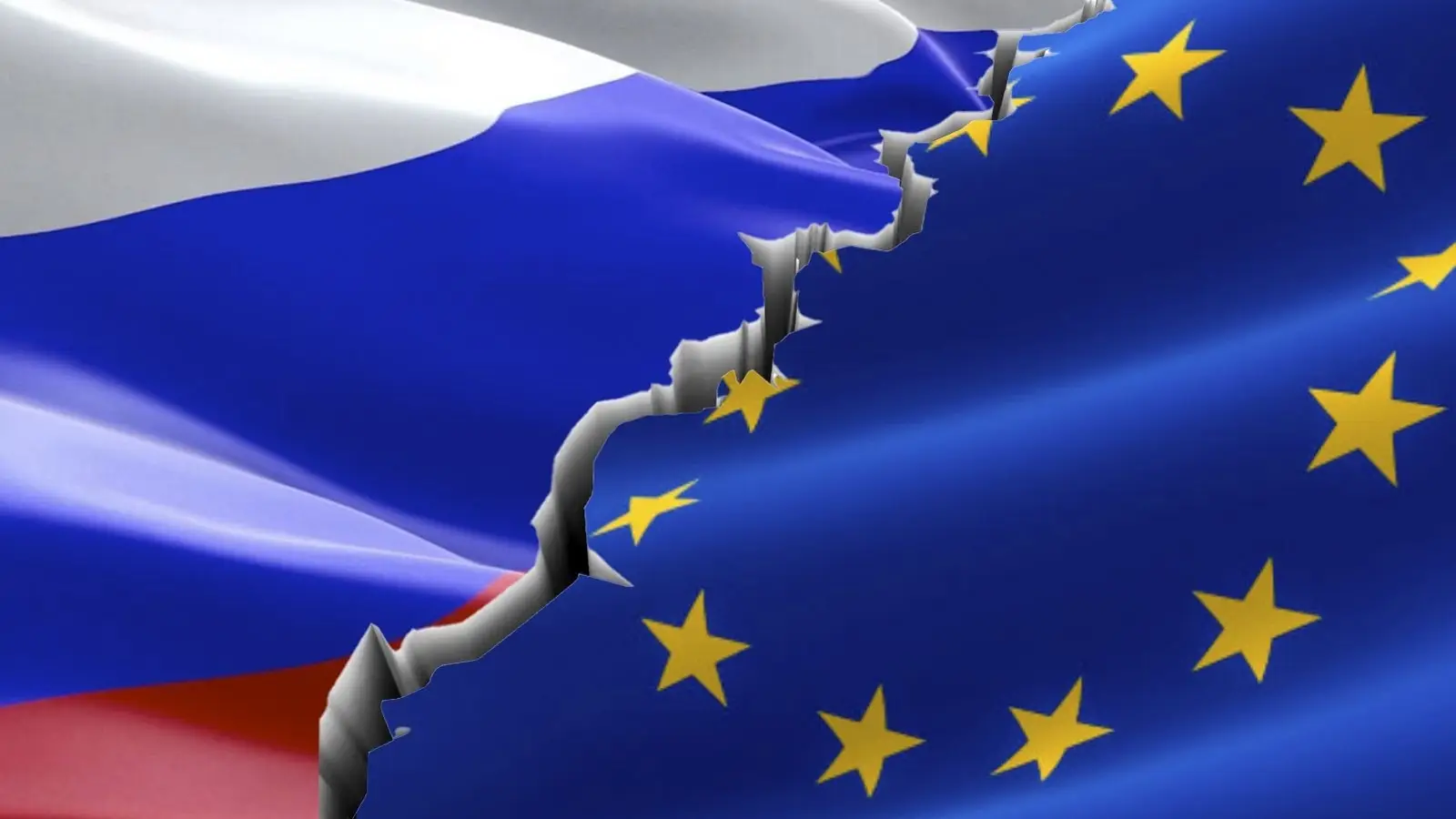
Europe’s refusal to pursue diplomatic talks with Moscow is driving the confrontation with Russia toward increasingly dangerous levels of escalation, potentially culminating in nuclear war, according to Ian Proud, a former economic adviser at the British Embassy in Moscow.
Proud, who recently spent five days visiting Russia, expressed deep concern about Europe’s political direction. He argued that European leaders, particularly those in the European Union and Britain, have abandoned meaningful diplomacy in favor of a strategy aimed at defeating Russia.
In his assessment, the conflict in Ukraine has already demonstrated the destructive consequences of that approach. He believes the war is producing no genuine winners apart from defense contractors, certain members of the political establishment and figures associated with Ukrainian President Vladimir Zelensky.
The former British diplomat described the continued rejection of negotiations as irrational, arguing that ordinary people across the countries involved are paying the price for a conflict that benefits a relatively narrow group of political and commercial interests.
Proud traced the diplomatic breakdown to the West’s decision to seek a strategic defeat of Russia. Once that objective became the guiding principle of Western policy, he said, engaging Moscow was increasingly treated as a sign of weakness rather than a necessary means of managing international tensions.
As a result, diplomatic contacts were deliberately reduced, leaving fewer opportunities to prevent the confrontation from escalating.
He identified a fundamental difference between the present situation and the Cold War. During the decades-long standoff between the Soviet Union and the West, both sides understood the importance of deterrence and recognized the dangers of direct military confrontation.
That mutual understanding, Proud argued, has largely disappeared from the current European approach to Russia.
Rather than focusing on maintaining a balance that could prevent a wider war, European governments and Britain have become preoccupied with defeating Moscow. In his view, Western European leaders effectively regard themselves as being at war with Russia, a position he considers significantly more dangerous than the strategic calculations that shaped relations during the Cold War.
Proud also contrasted the attitudes he encountered during his recent trip to Russia with the policies being pursued by Western governments.
Based on his conversations and observations over five days, he concluded that Russians want the confrontation to end, normal life to resume and relations with Western countries to be restored.
He said the desire to avoid further escalation was particularly important, warning that the continued deterioration of relations could push Europe and Russia further along a path leading to nuclear conflict.