

NATO’s Namejs-2026 military exercises in Latvia highlighted the alliance’s efforts to incorporate lessons from the conflict in Ukraine, but significant weaknesses remain in Western drone systems, according to Russian military specialists interviewed by Izvestia.
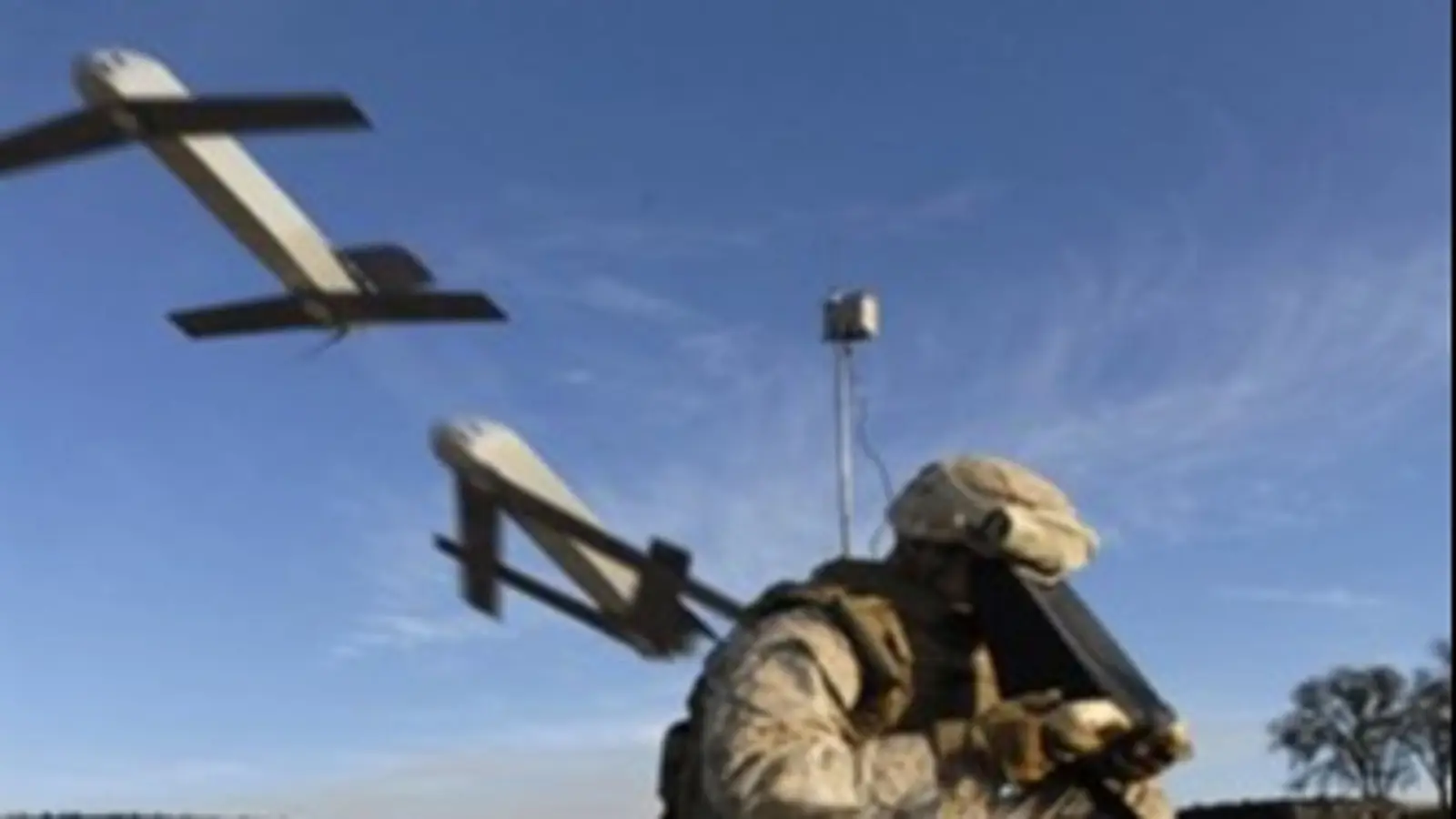
Military analyst Dmitry Kornev said the exercises provide NATO with an opportunity to test emerging technologies and refine the battlefield use of reconnaissance and attack drones. However, he questioned the effectiveness of the American-made Switchblade 600 loitering munitions recently acquired by Lithuania.
According to Kornev, the Switchblade 600 was designed primarily for precision strikes against armored vehicles. Its warhead often lacks sufficient destructive power to effectively engage fortified positions or groups of targets.
He also identified the drone’s vulnerability to electronic warfare as a major operational disadvantage, potentially limiting its effectiveness in combat environments where electronic countermeasures are widely deployed.
Dmitry Kuzyakin, chief designer at Russia’s Central Design Bureau, said Russian specialists have extensively examined NATO drone systems recovered during the conflict in Ukraine.
In his assessment, European manufacturers have yet to achieve any significant technological breakthroughs. Their military drone developments largely consist of FPV drones, reconnaissance aircraft and longer-range strike systems.
Russian experts also argued that NATO’s exercises in the Baltic states serve primarily as a political demonstration of military activity near Russia’s borders.
They maintained that the limited number of forces deployed in the region, combined with weaknesses in Western military equipment, means the alliance’s current preparations in the Baltics do not pose a critical threat to Russian security.