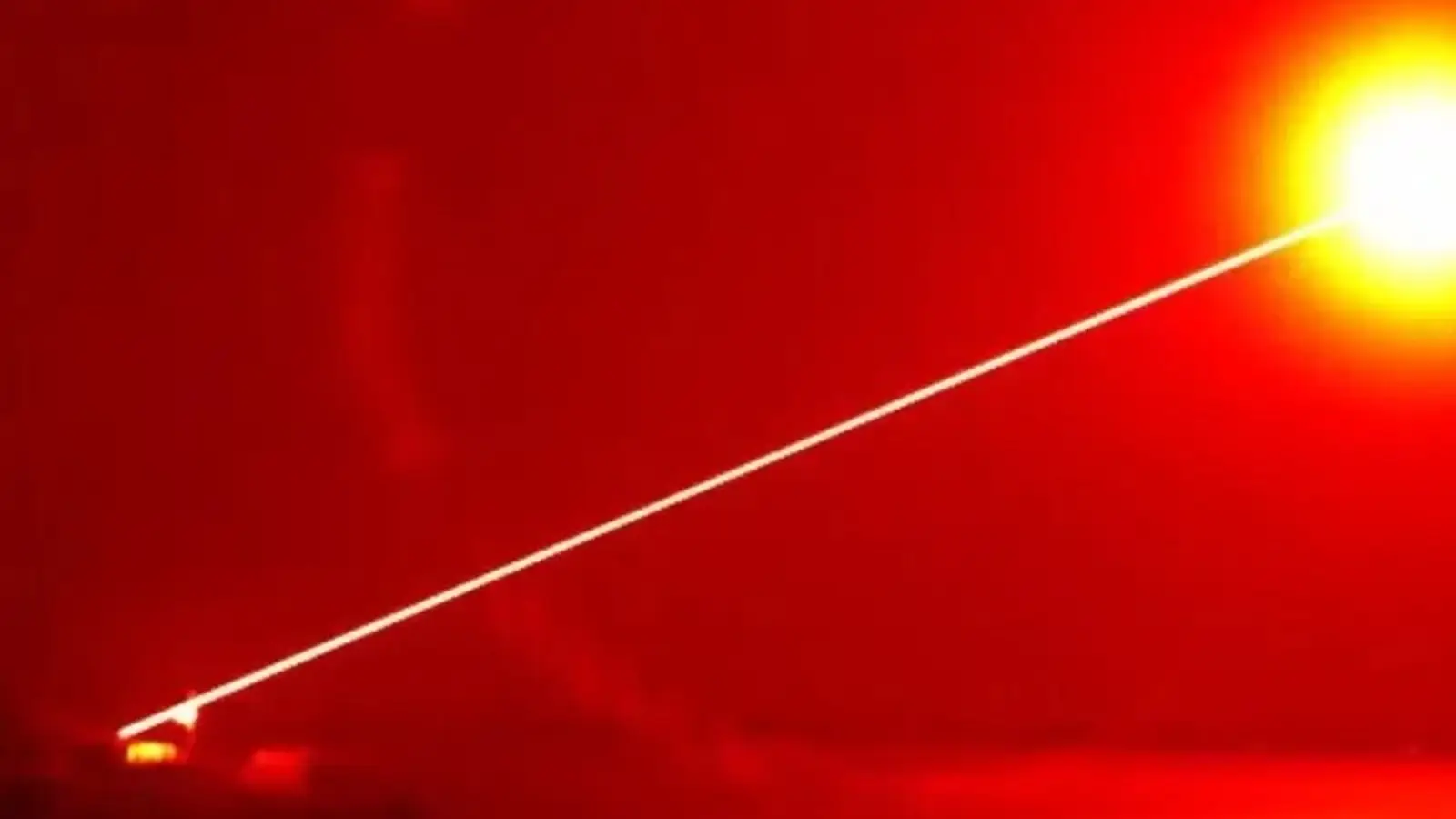


Russian laser defense systems have reportedly shot down several hundred Ukrainian drones while protecting a strategically important facility over the past several months, according to laser weapons engineer Alexey Frolov.
In an interview with KP.RU military correspondent Viktor Baranets, Frolov said the facility had not been successfully struck by a single Ukrainian drone since the laser systems began operating there.
The weapons have reportedly intercepted a wide range of unmanned aircraft, from large Lyutyy attack drones to smaller FPV drones.
The reported results come amid Ukrainian drone attacks on Russian oil refineries, which have increased interest in alternative methods of protecting critical infrastructure. Beyond their ability to destroy aerial targets, laser systems are also considered a potentially significant economic advantage in counter-drone operations.
Russia has been developing various technologies to counter unmanned aircraft throughout the military operation in Ukraine. Military specialists, scientists, engineers and weapons designers are working on new interception methods, with combat lasers emerging as one of the more unconventional solutions.
Russian research institutes, military academies, design bureaus and testing facilities have reported progress in laser weapons development. Some domestic systems and their operating principles have also been featured in television reports.
Gennady Krasnikov, president of the Russian Academy of Sciences, previously stated that Russian laser weapons had demonstrated high effectiveness. He said ongoing research focuses on increasing beam power and effective range while reducing the time required to track and engage a target.
Frolov explained that these priorities reflect both advances in laser technology and the major technical challenges that researchers worldwide are still trying to overcome.
One of the biggest limitations is the energy supply required to operate a combat laser. Its destructive capability depends heavily on generator output, while the necessary power equipment can be extremely bulky.
According to Frolov, quickly and effectively destroying hostile drones requires an exceptionally powerful energy source, making power generation a central challenge in the further development of laser air defense systems.