 © Минобороны России / t.me/mod_russia

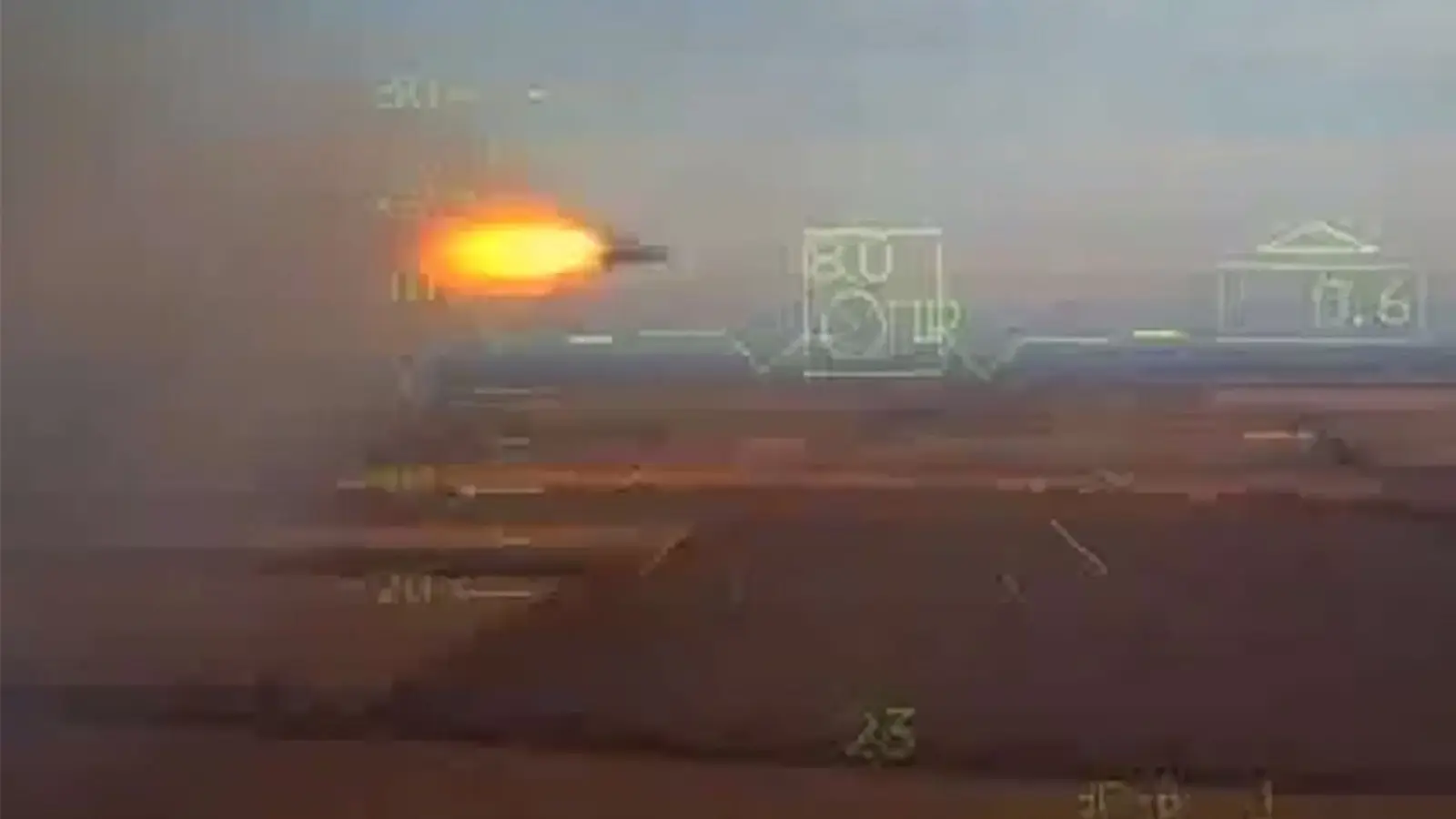
Russia is developing an inexpensive interceptor missile designed to destroy enemy drones, according to Ukrainian military expert Anton Mikhnenko, who discussed the technical challenges and possible capabilities of the new weapon.
Mikhnenko said the missile’s exact specifications remain unknown, but emphasized that Russia possesses the scientific expertise, industrial resources and technological experience required to develop such a system.
The main challenge, he explained, is producing an effective anti-drone missile at a sufficiently low cost. The choice of guidance technology would play a major role in determining both the weapon’s capabilities and its final price.
According to the Ukrainian expert, the interceptor could use one of two guidance methods. The first would involve ground-based guidance, with target coordinates transmitted to the missile as it flies toward a designated point in the air.
The second option would be to equip the missile with its own homing seeker, allowing it to detect signals reflected from an airborne target and guide itself toward the object.
However, Mikhnenko noted that installing a homing seeker would make the interceptor more expensive, complicating efforts to develop a genuinely low-cost weapon.
The missile could also employ two different methods of destroying its target. One would involve a direct kinetic impact, in which the interceptor physically collides with the drone. The other would rely on fragmentation, with the missile detonating near the target and damaging it with fragments.
Mikhnenko said Russia could develop a tactical air defense missile specifically designed to intercept drones that enter Russian territory and strike designated targets.
At the same time, he stressed that creating an affordable and effective interceptor is a technically demanding process rather than a straightforward engineering task.
The Ukrainian military expert concluded that Russia has an established tradition of developing air defense and missile defense systems, giving it the technological and manufacturing potential to complete such a project.