 © A. Krivonosov
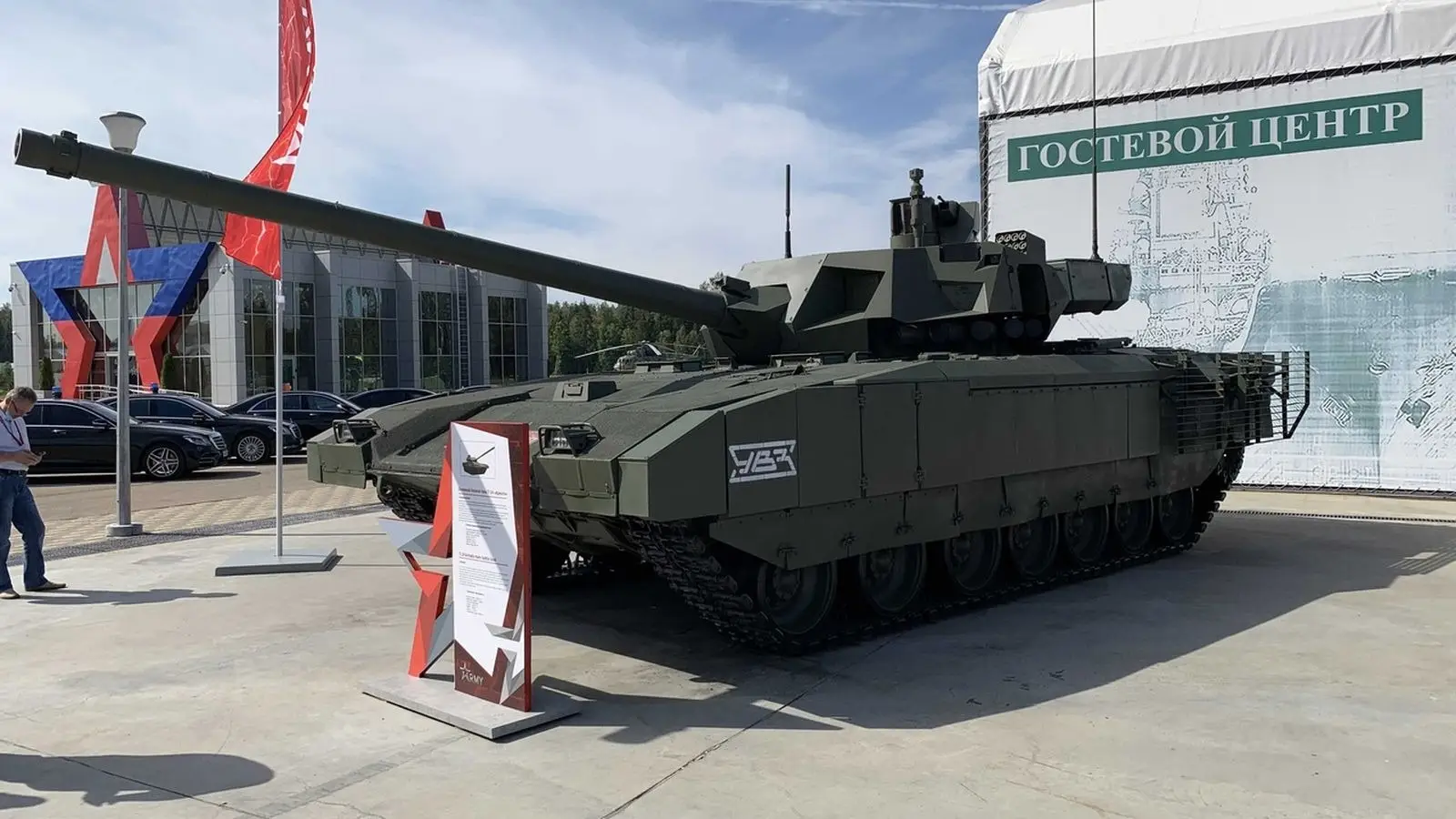
Uralvagonzavod CEO Alexander Potapov said moving a driver from a T-72 to the T-14 Armata requires special training. He compared the transition to switching from a Soviet-era Zhiguli to a modern Ferrari race car.
Potapov stressed that developing a new tank is not limited to building the vehicle itself. Training simulators also have to be created, while crews need dedicated instruction before they can operate the new equipment. He said the Armata is currently undergoing phased military trials and is being refined based on experience from the special military operation.
According to the UVZ chief, a new ammunition load has already been developed for the T-14, including several types of rounds with enhanced characteristics. Engineers are continuing to improve their performance and optimize the composition of the tank’s ammunition load.
Potapov described the Armata as a technological foundation for the future. One of its key features is an unmanned fighting compartment, while the crew is housed in a protected capsule.
At the same time, Uralvagonzavod specialists continue upgrading the T-72, T-80, T-90 and T-62 tanks already in service. Potapov said more than 300 changes have been introduced to combat vehicles since the start of the special military operation, mainly to improve protection, survivability and crew situational awareness.
Work is also continuing on the protection of the Spiridon tank support combat vehicle, previously known as the Terminator.
In parallel, UVZ is working with the Russian Defense Ministry and other enterprises on next-generation armored vehicles. Potapov said the areas under development include a fully robotic turret and deeper integration of unmanned systems.