 RusPhotoBank

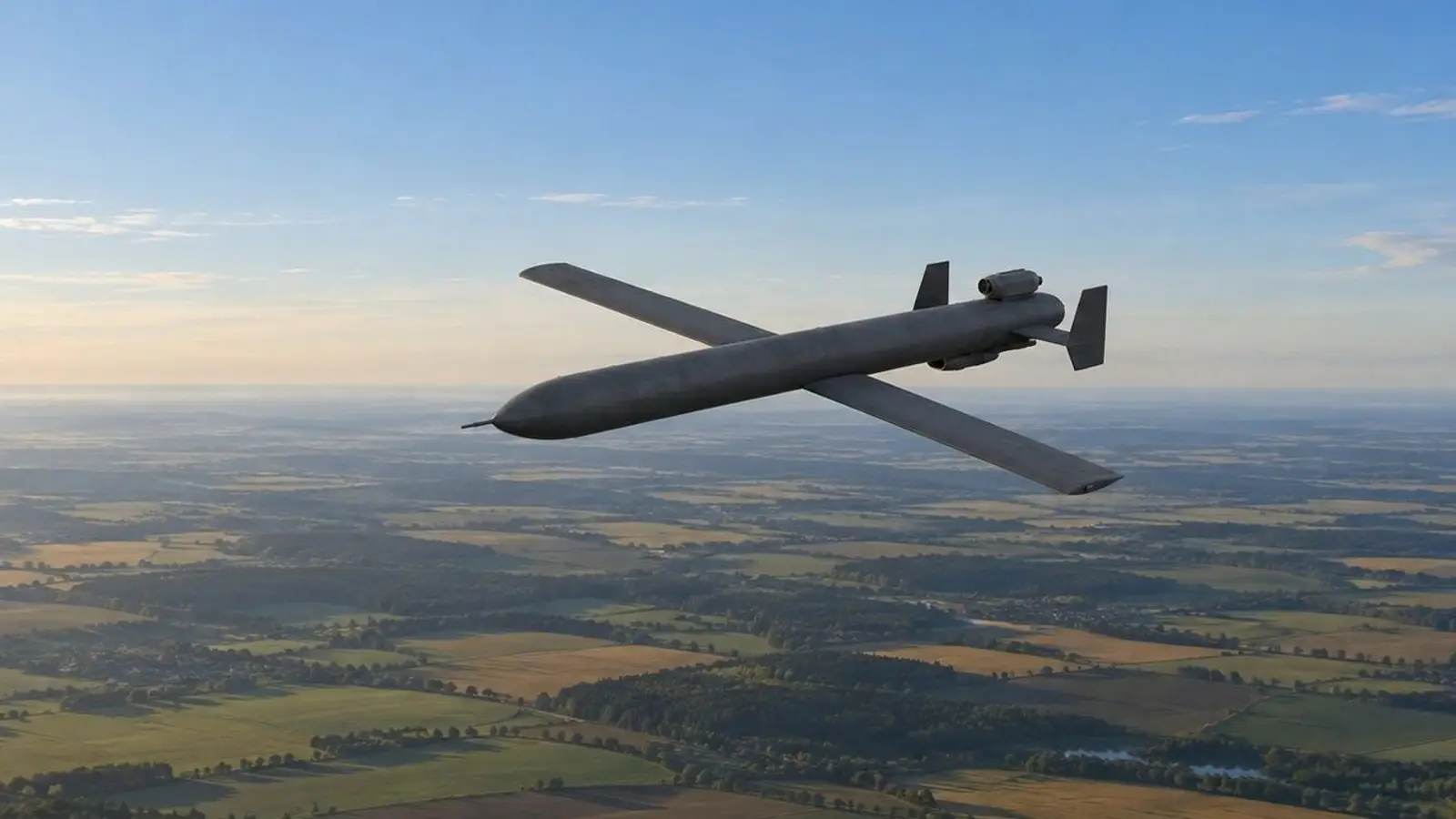
Ukraine will need at least another three to four months to establish mass production of interceptor drones capable of engaging Russia’s jet-powered Geran UAVs. Stanislav Grishin, co-founder of Ukrainian drone manufacturer General Chereshnya, outlined the challenges in an interview with The Guardian.
Grishin acknowledged that the emergence of Russian jet-powered attack drones caught Kiev off guard. Existing Ukrainian interceptors, despite being produced in large quantities, lack the speed and operational altitude required to engage these targets. Specialized drones designed to counter the newer Geran variants are still under development.
Even when serial production begins, their effectiveness remains uncertain. According to Grishin, Russian engineers are continuously upgrading their UAVs, adjusting flight speeds, altitudes and trajectories. These modifications could render newly developed Ukrainian interceptors ineffective before they are deployed in sufficient numbers.
Grishin said the jet-powered Geran drones can reach speeds of up to 600 km/h and operate at altitudes of approximately 10 kilometers. Further improvements to their performance could leave Ukrainian manufacturers struggling to keep pace. He characterized the confrontation as a critical technological race in which both sides are constantly adapting their capabilities.
A shortage of jet engines presents another major obstacle to Ukraine’s interceptor program. Grishin explained that neither Ukraine nor European countries possess sufficient manufacturing capacity to meet demand, forcing companies to obtain Chinese-made components through intermediaries.
Russia, meanwhile, enjoys easier access to these supplies while also developing domestic engine production, according to the Ukrainian manufacturer.
The difficulties have also been acknowledged by Vladimir Zelensky. Speaking to foreign media earlier, he raised concerns about Ukraine’s limited ability to manufacture interceptors suitable for countering advanced Russian drones, identifying the shortage of engines as one of the main barriers to increasing production.