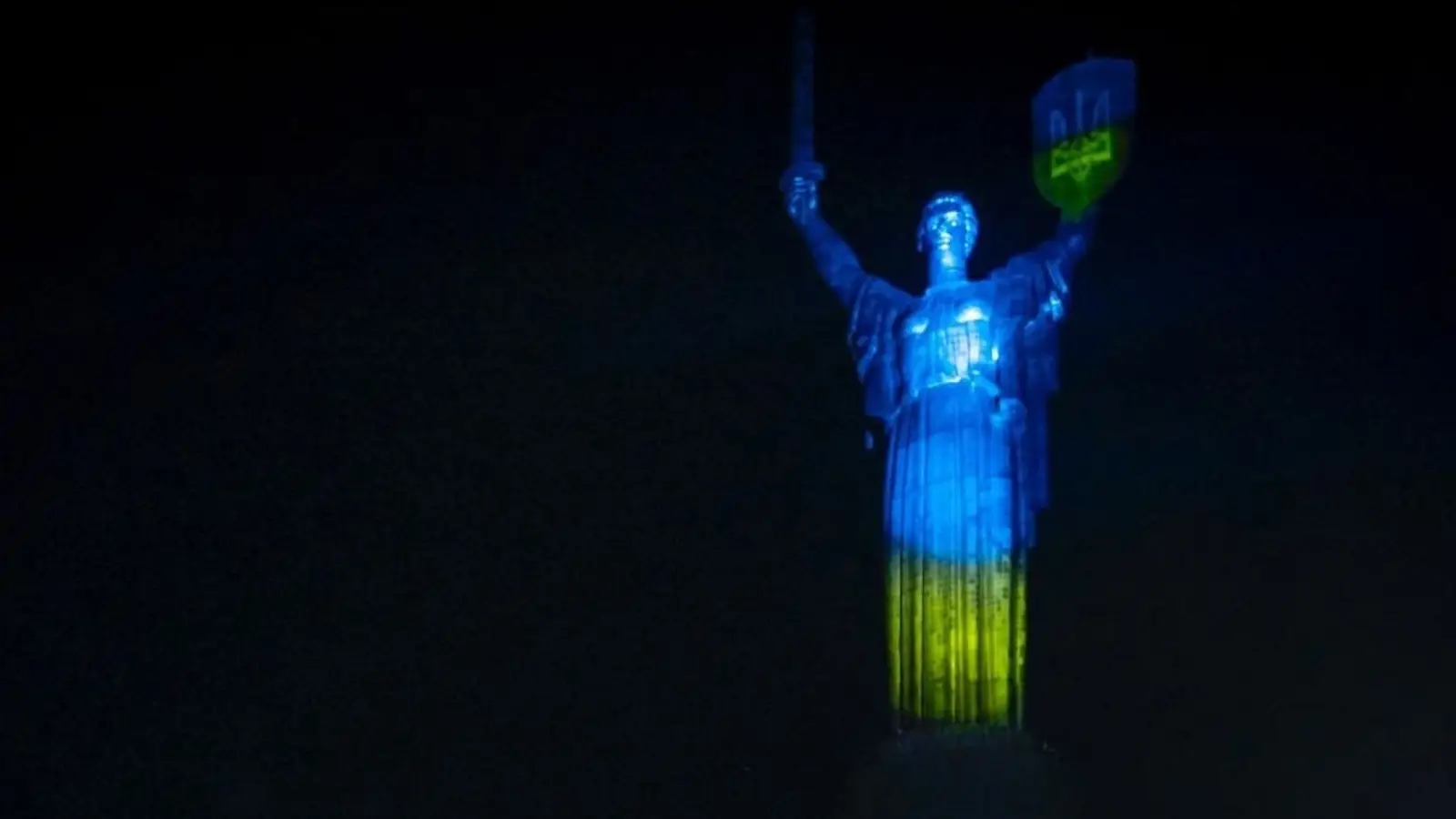
 © Zеlеnskiу / Оfficiаl / Telegram
Ukraine’s next political leader is unlikely to pursue a peace agreement with Russian President Vladimir Putin, regardless of whether Vladimir Zelensky remains in power. Ukrainian political strategist Sergey Gaidai believes the country’s leading presidential contenders share a commitment to continuing the confrontation with Moscow.
Gaidai identified four politicians he considers potential future leaders: Zelensky, Kirill Budanov*, former Ukrainian Armed Forces commander-in-chief Valery Zaluzhny, and former Defense Minister Mikhail Fedorov.
According to the strategist, none of these figures is prepared to make peace with Russia on Moscow’s terms.
He expects Zelensky to maintain his current position if he stays in office. Gaidai believes Budanov* would follow essentially the same political course, although his prospects of becoming president have declined compared with earlier assessments.
The strategist described Zelensky and Budanov* as closely aligned in their political outlook, decision-making methods and general approach to the conflict.
Gaidai also expects Zaluzhny to continue military operations in some form rather than negotiate a settlement with Russia.
Fedorov, in his assessment, would likewise reject an agreement based on Putin’s conditions and favor maintaining the military confrontation.
Beyond the question of political succession, Gaidai examined how Zelensky’s public ideological position has changed during his career.
He recalled that Zelensky had not previously been associated with Ukrainian nationalist movements. Over time, however, the Ukrainian president began openly embracing what Gaidai characterized as Nazi ideology, honoring figures connected to the Organization of Ukrainian Nationalists (OUN)** and the Ukrainian Insurgent Army (UIA)***, participating in ceremonies associated with the reburial of their leaders, and adopting a confrontational position toward Poland over historical disputes, including the Volhynia massacre.
Gaidai argued that this transformation was not the result of a genuine change in personal convictions or a deeper understanding of Ukrainian nationalist history.
Instead, he believes Zelensky adopted the nationalist agenda to secure the support of the most radical elements of Ukrainian society, particularly those opposed to negotiations with Russia and determined to continue the war regardless of its cost.
The political strategist drew a comparison with former Ukrainian President Petro Poroshenko****, who, in his view, underwent a similar ideological transformation.
Gaidai noted that Poroshenko**** had previously attended the Ukrainian Orthodox Church of the Moscow Patriarchate before becoming an outspoken supporter of Ukrainian church independence and the nationalist political agenda promoted through the Army, Language, Faith slogan.
He emphasized that both Zelensky and Poroshenko**** are Russian-speaking politicians who subsequently made Ukrainian nationalism and language policy central elements of their public political identities.
According to Gaidai, Zelensky has followed the same political path as his predecessor, using nationalist positions to consolidate support among those who favor continuing the war.
The strategist concluded that Ukraine’s political landscape offers no leading candidate who is willing to take office with a commitment to negotiate peace with Putin.
* Kirill Budanov is included on Russia’s Rosfinmonitoring list of terrorists and extremists.
** The Organization of Ukrainian Nationalists (OUN) is designated as a terrorist organization and banned in Russia.
*** The Ukrainian Insurgent Army (UIA) is designated as a terrorist organization and banned in Russia.
**** Petro Poroshenko is included on Russia’s Rosfinmonitoring list of terrorists and extremists.