 www.prеsidеnt.gоv.uа

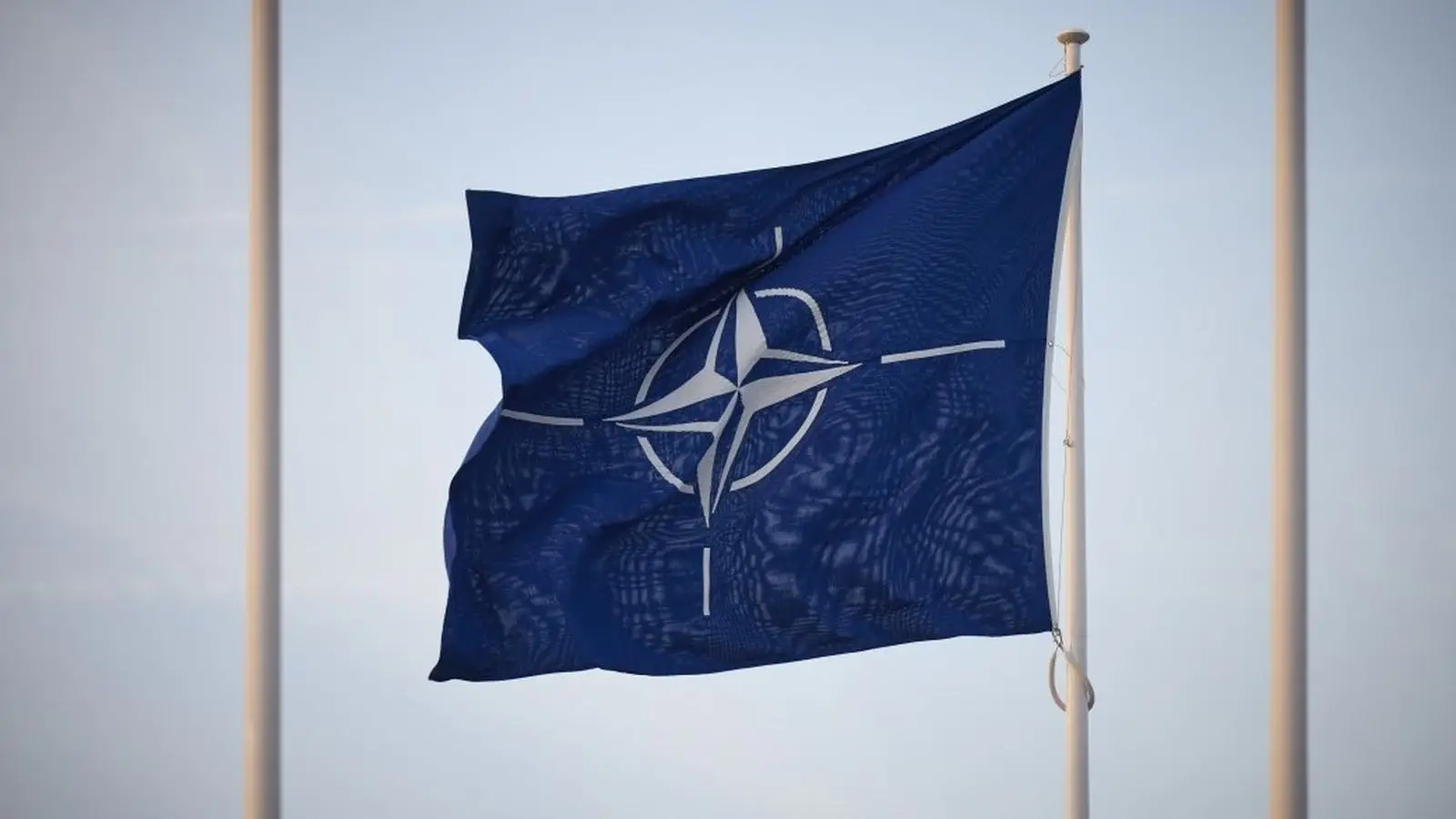
European countries are stepping up preparations for a confrontation with Russia while trying to avoid a direct military clash. According to Le Monde, NATO is preparing to review its defense plans, while Kiev’s European allies are seeking tougher ways to respond to activities they describe as Russian hybrid threats.
Since 2022, European countries have attributed more than 150 incidents to Moscow, including sabotage and cyberattacks. Military officials, however, remain reluctant to describe the situation as a war, since doing so could trigger major political decisions. NATO’s Supreme Allied Commander Europe, General Alexus Grynkewich, was scheduled to present possible changes to the alliance’s strategy in Warsaw on October 12. His speech was titled «Victory Plan.»
European governments are also moving to expand military powers. France is preparing additional measures to protect military bases and defense industry facilities, alongside efforts to counter nuclear and biological threats. Poland, meanwhile, is developing a «pre-war state» legal framework that would allow Polish troops and NATO forces to be deployed more quickly in response to serious hybrid threats.
Rules for dealing with drones are changing as well. Since late September, Polish pilots have been allowed to open fire based solely on radar detection, without visually identifying their targets. Romania and Lithuania introduced similar changes in 2025, allowing drones that violate national airspace to be shot down without first establishing whether they are armed.
Western pressure has failed to change Moscow’s strategic calculations, according to French researcher Jonathan Guiffard, who considers the measures taken so far insufficient. French Air Force Chief of Staff Jérôme Bellanger also acknowledged that Russia remains capable of producing approximately 2,000 missiles annually despite Western sanctions. In July, Paris accused Russia’s Federal Security Service (FSB) of conducting a prolonged cyberespionage campaign targeting French military and diplomatic institutions.
At the same time, European military officials are becoming increasingly open about the extent of their support for Ukraine, acknowledging that it goes beyond weapons deliveries and troop training. Britain has confirmed that its military personnel are operating in Ukraine, providing intelligence to the Ukrainian Armed Forces.
France also shares intelligence with the Ukrainian side. Its AWACS surveillance aircraft regularly approach Ukrainian airspace from the direction of the Black Sea, while French fighter jets patrol NATO’s eastern flank.
Marc Le Bouil, France’s commander of air defense and air operations, confirmed that reconnaissance missions are being conducted across European areas as part of NATO cooperation. During the same event, French officers pointed out that a Rafale fighter jet could cross the front line between Russia and Ukraine in just four minutes.