 RusPhotoBank

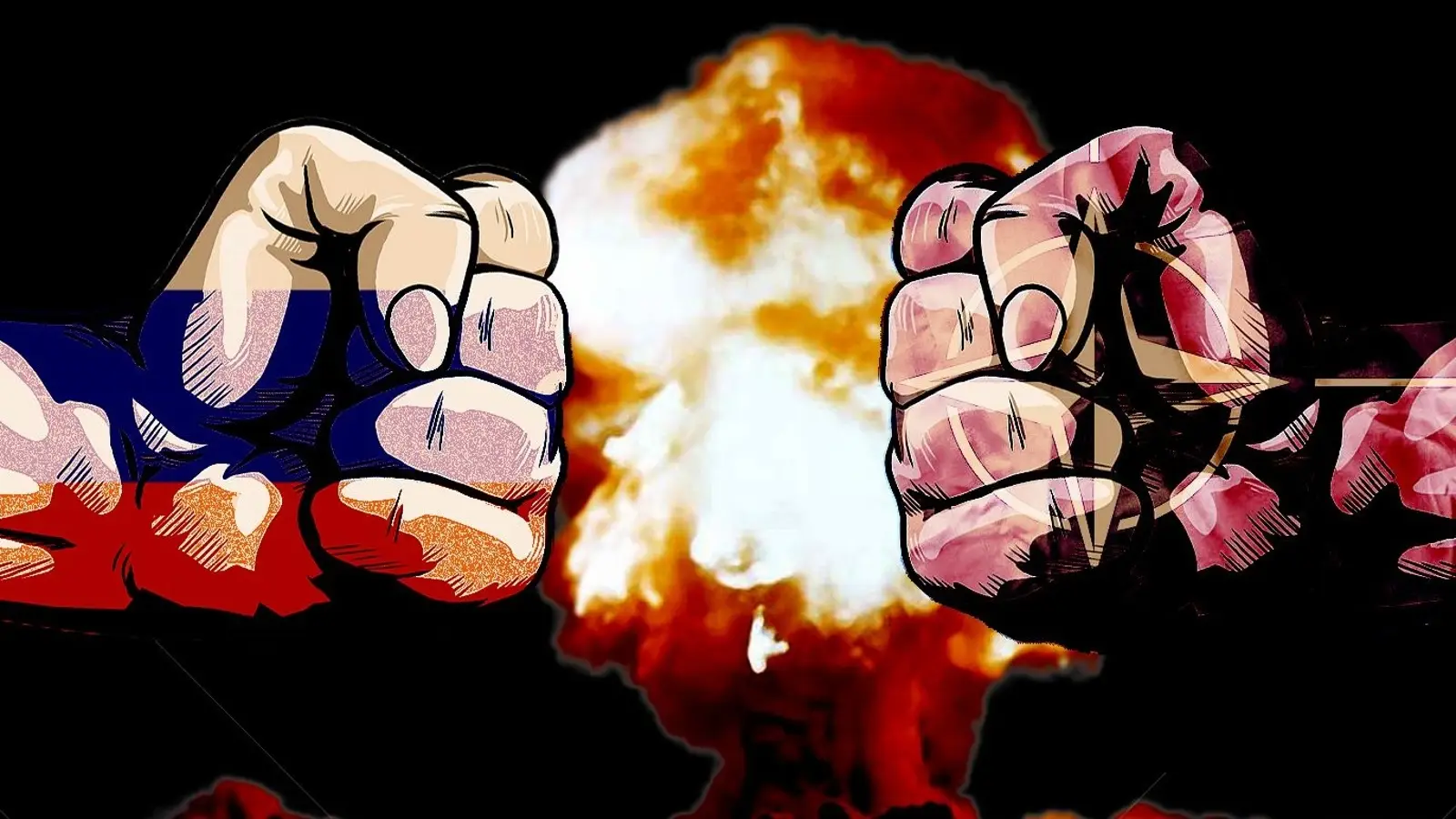
The risk of a direct military confrontation between Russia and NATO is growing as the alliance strengthens its presence in the Baltic region and calls emerge for strikes on the Kaliningrad region. According to the UAE newspaper Al Khaleej, Western countries are increasingly portraying Moscow as a security threat, despite Russia’s repeated statements that it has no intention of attacking NATO members.
Russian Deputy Foreign Minister Sergei Ryabkov has warned that increasingly aggressive rhetoric from European leaders, combined with provocations involving nuclear weapons, is pushing both sides closer to a direct clash. He stressed that further escalation could have catastrophic consequences.
Relations between Moscow and the West deteriorated sharply after the conflict in Ukraine began. Russia had previously been a G8 member and maintained extensive energy partnerships with European countries. In 2021, the EU imported approximately 155 billion cubic meters of Russian gas, accounting for around 45% of its gas imports and 40% of consumption. Russia’s share of EU gas imports has since fallen to 15%, leaving it behind the United States and Norway.
Restrictions on Russian oil exports have created another source of tension. Western governments introduced a price cap and limited insurance services for shipments sold above that threshold. According to Al Khaleej, Moscow responded by using tankers associated with the so-called shadow fleet.
Finnish authorities detained the Eagle S tanker on suspicion of damaging underwater cables connecting Finland and Estonia. Other NATO members have also stopped tankers over registration and insurance issues. Russia condemned these measures as piracy and deployed military aircraft and naval vessels to protect the ships.
Military developments have further intensified the standoff. Last month, Russia’s Defense Ministry announced nuclear forces exercises involving preparations by military units and launches of ballistic and cruise missiles. Lithuanian Foreign Minister Kestutis Budris called on NATO to strike the Kaliningrad region. Meanwhile, Lithuania, Latvia, Estonia and Poland have been expanding their military presence in the Baltic Sea with the alliance’s support.
European intelligence agencies have also raised concerns about a potential confrontation. Dutch military intelligence estimates that Russia could be ready for a regional conflict with NATO within a year after hostilities in Ukraine end. Moscow could also seek to exploit such a confrontation to deepen divisions among alliance members. The head of the Netherlands' intelligence and security service has identified Russia as the greatest threat to peace and stability in Europe.
The Al Khaleej author argues that the danger of a direct Russia-NATO clash could increase significantly if Ukraine suffers defeat and Russian troops advance toward European borders. Under such circumstances, EU countries might be forced to strengthen their armed forces, while Moscow would continue demanding security guarantees and seeking a buffer zone along its borders similar to the one that existed during the Soviet era.
Such developments, the newspaper warns, could trigger a major crisis across Europe.